

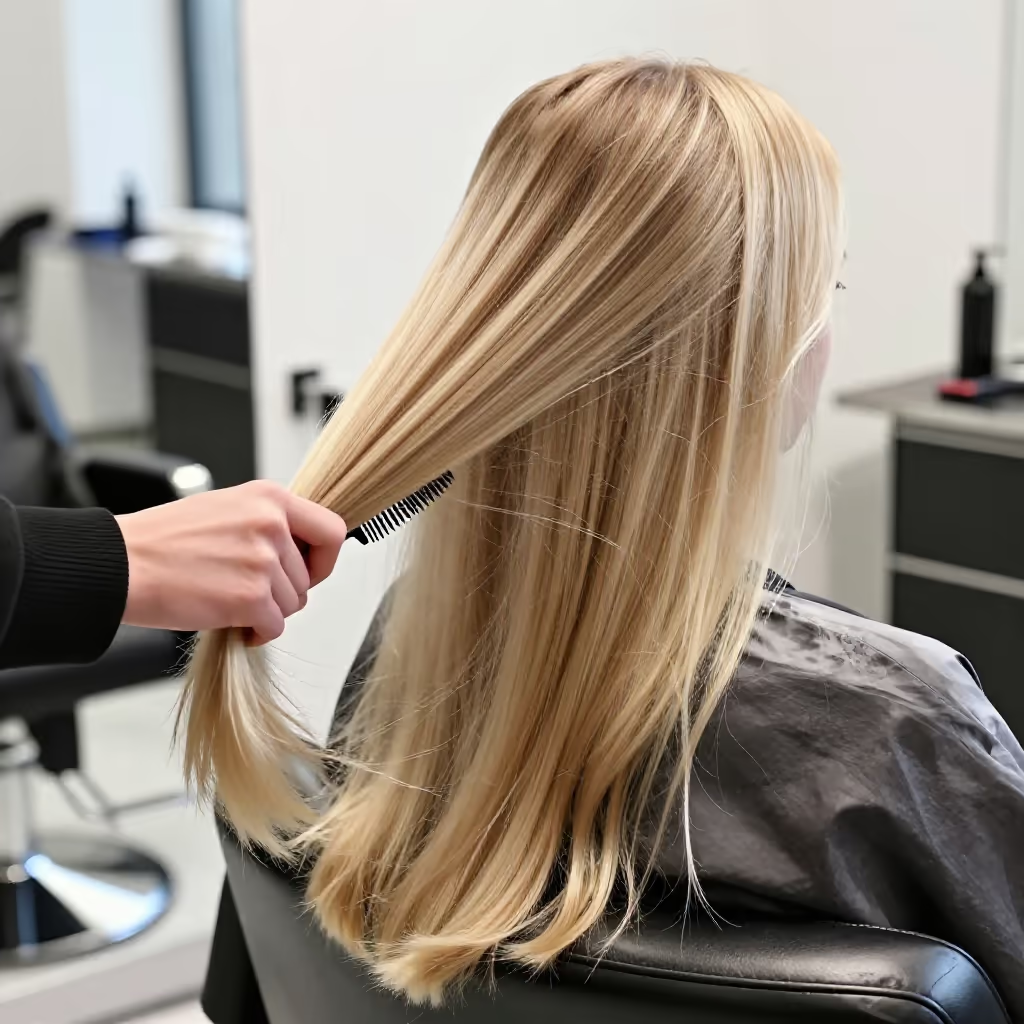
blond
Describes a light, yellowish hair color.
EXAMPLE
Als Kind hatte sie lockige, blonde Haare.
As a child, she had curly, blond hair.
Loading your saved state.
Describes a light, yellowish hair color.
Als Kind hatte sie lockige, blonde Haare.
As a child, she had curly, blond hair.
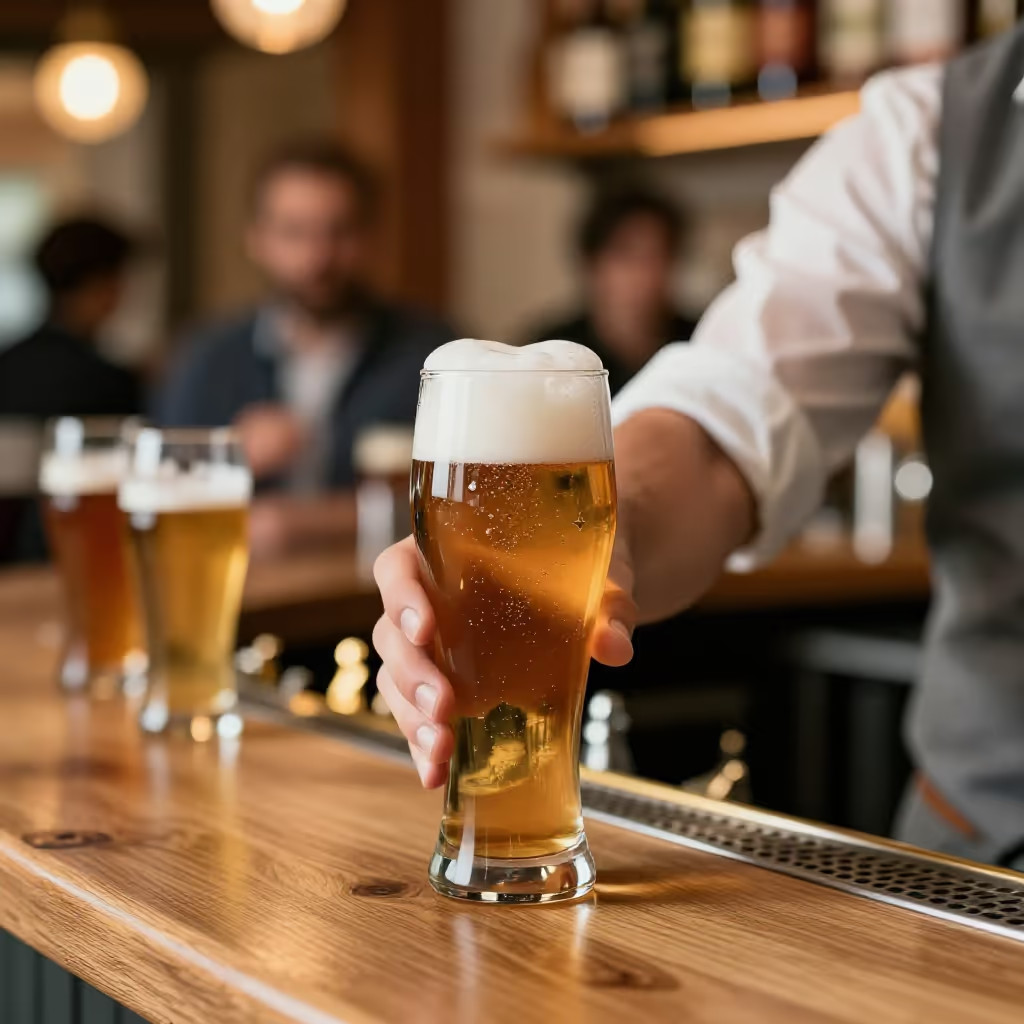
pale beer
Refers to a light-colored, bottom-fermented beer. It is often used as a nominalized adjective in the form 'ein Blondes' (a pale beer).
Im Sommer trinke ich nach der Arbeit gerne ein kühles Blondes.
In summer, I like to drink a cool pale beer after work.
The word family of 'blond' includes the verb 'blondieren' (to dye hair blond) and the noun 'die Blondine' (a woman with blond hair).
Sie hat sich die Haare für den Sommer blondieren lassen.
She had her hair dyed blond for the summer.
As a hair color, 'blond' is often used with verbs such as 'sein' (to be), 'haben' (to have), or 'färben' (to dye). Typical combinations are 'blonde Haare haben' (to have blond hair) or 'sich die Haare blond färben' (to dye one's hair blond).
Viele Kinder in Nordeuropa haben von Natur aus blonde Haare.
Many children in Northern Europe have naturally blond hair.
To order a pale beer, the adjective is often nominalized: 'ein Blondes' (a pale beer). This form is neuter and is used in colloquial language.
Zwei Radler und ein Blondes, bitte!
Two shandies and one pale beer, please!
yellow
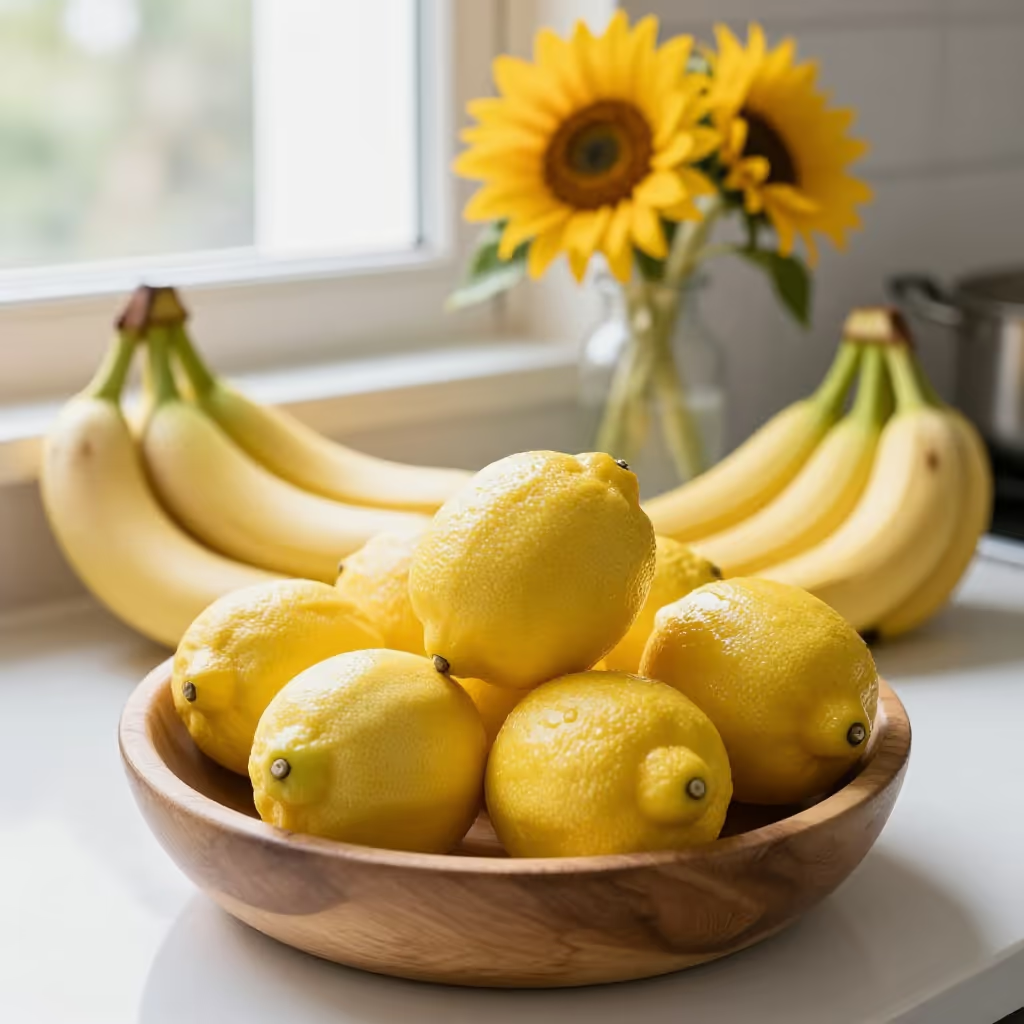
Both words can describe a light yellowish color. When talking about hair, blond is the neutral and usual term, while gelb often suggests a striking, artificial, or unflattering shade. For a normal light hair color, blond is therefore appropriate; gelb emphasizes the unusual effect.
Nach dem Färben wirkte ihr Haar hellblond und natürlich.
After being dyed, her hair looked light blonde and natural.
Nach dem Färben wirkte ihr Haar unnatürlich gelb.
After being dyed, her hair looked unnaturally yellow.