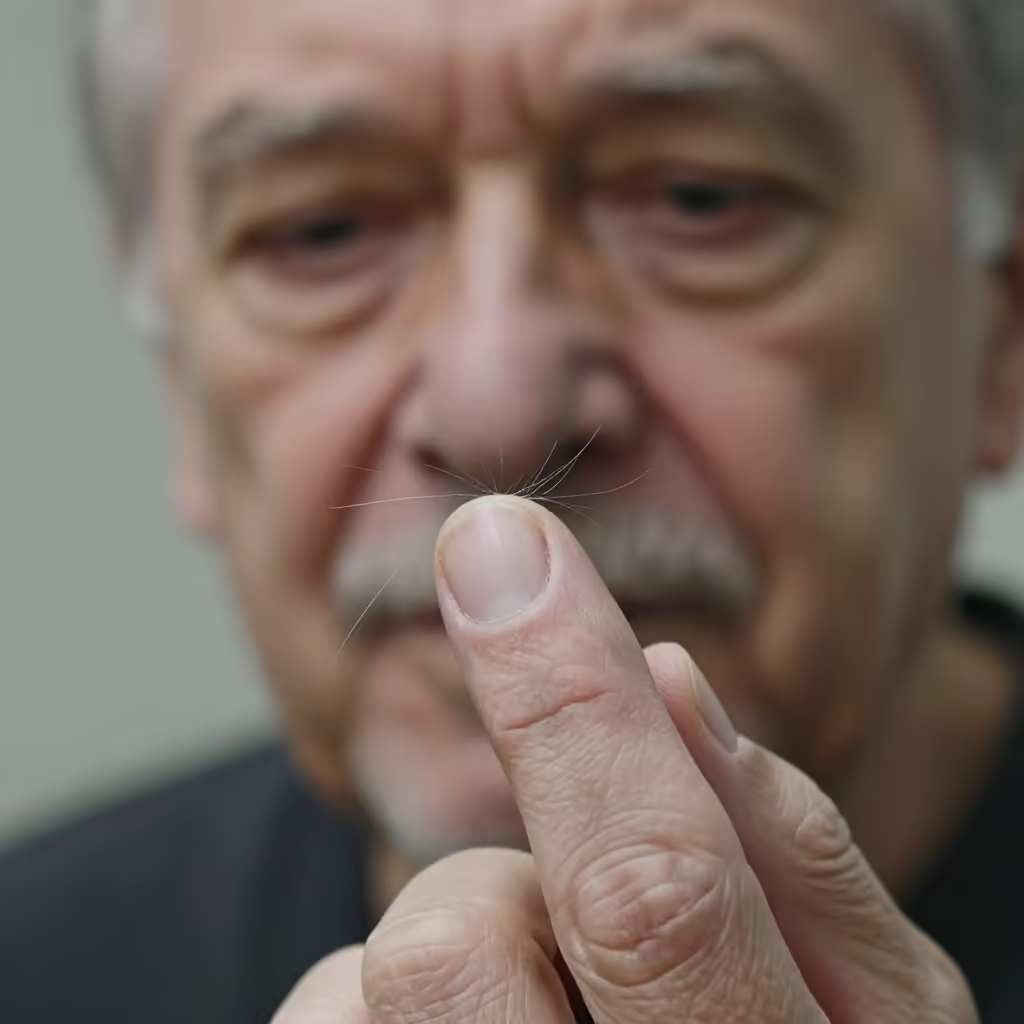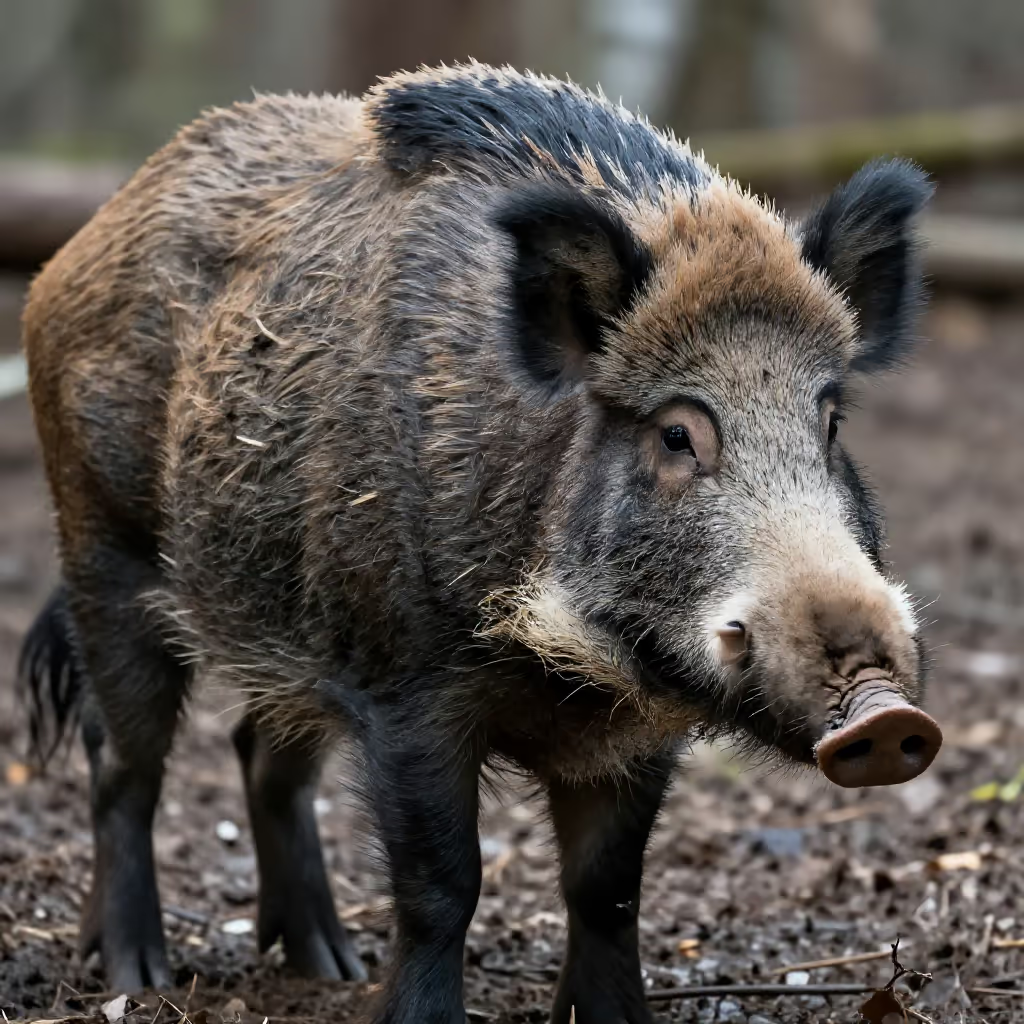
A short, stiff hair that grows on certain animals such as pigs or badgers.
example
Der Pinsel ist aus echten Wildschweinborsten gefertigt und daher sehr hochwertig.
The brush is made from real wild boar bristles and is therefore very high quality.
Usage tips
Word family
The adjective 'borstig' (bristly) is derived from 'Borste' (bristle). It means 'stiff like bristles' and helps you imagine the quality of the hair or fiber.
EXAMPLE
Der Hund hat ein kurzes, borstiges Fell.
The dog has short, bristly fur.
Context clue
The context makes the meaning clear. If you are talking about animals such as pigs, hedgehogs, or badgers, real animal hairs are meant. If you are talking about brushes or paintbrushes, artificial or natural fibers are meant.
EXAMPLE
Ein Igel schützt sich mit seinen spitzen Stacheln und Borsten.
A hedgehog protects itself with its sharp spines and bristles.
Typical collocations
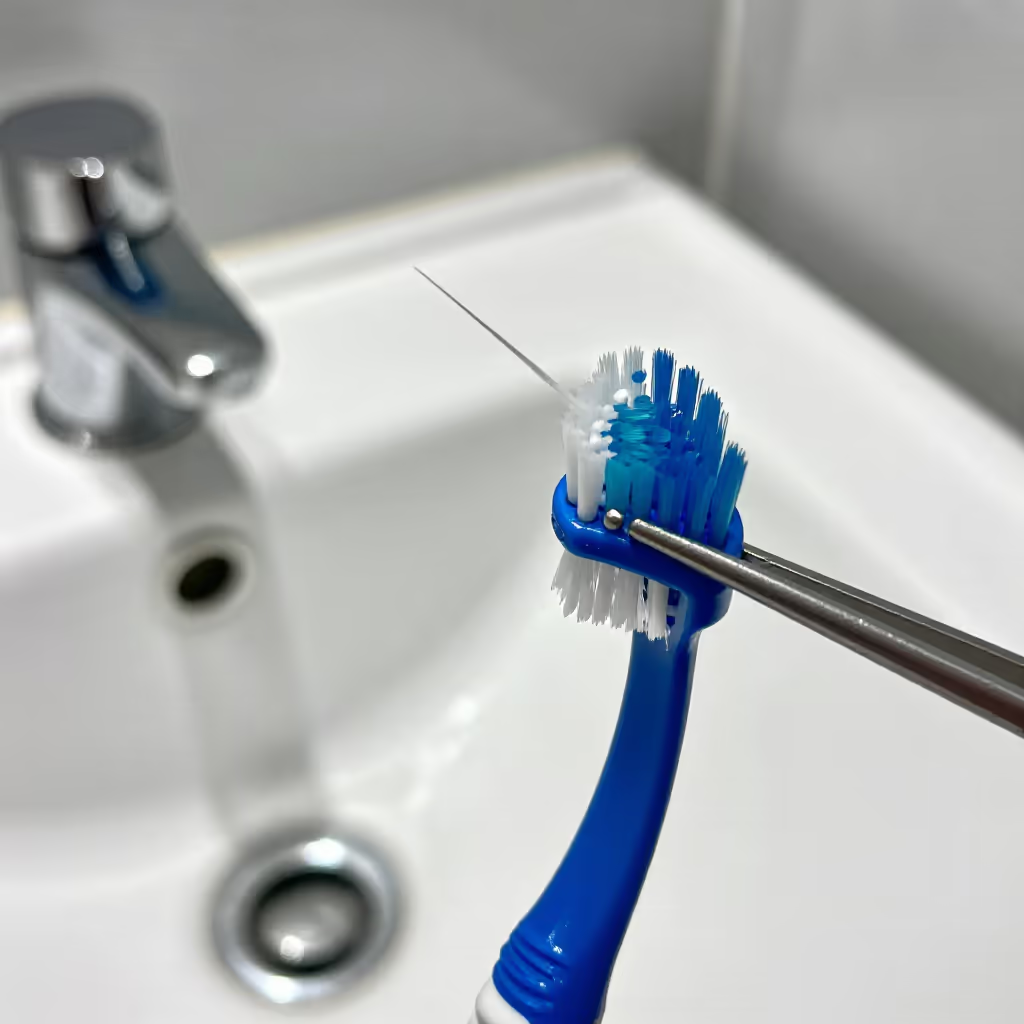
In connection with brushes, bristles are often described with adjectives such as 'weich' (soft), 'hart' (hard), 'synthetisch' (synthetic), or 'abgenutzt' (worn out).
EXAMPLE
Für empfindliches Zahnfleisch sollte man eine Zahnbürste mit weichen Borsten verwenden.
For sensitive gums, you should use a toothbrush with soft bristles.
Compare with
near_synonym · confusable
Borste vs Haar
hair
'das Haar' and 'die Borste' can both mean a single thread-like part. The difference lies mainly in the texture and the context. 'Haar' is the normal word for humans and many animals. 'Borste' means a short, stiff hair on certain animals, for example on a pig, or a single fiber on a brush. Learners may confuse the words because bristles can look like hairs. As a practical rule: for people, you almost always say 'Haar'; for stiff animal hairs or brushes, 'Borste' is more likely.