

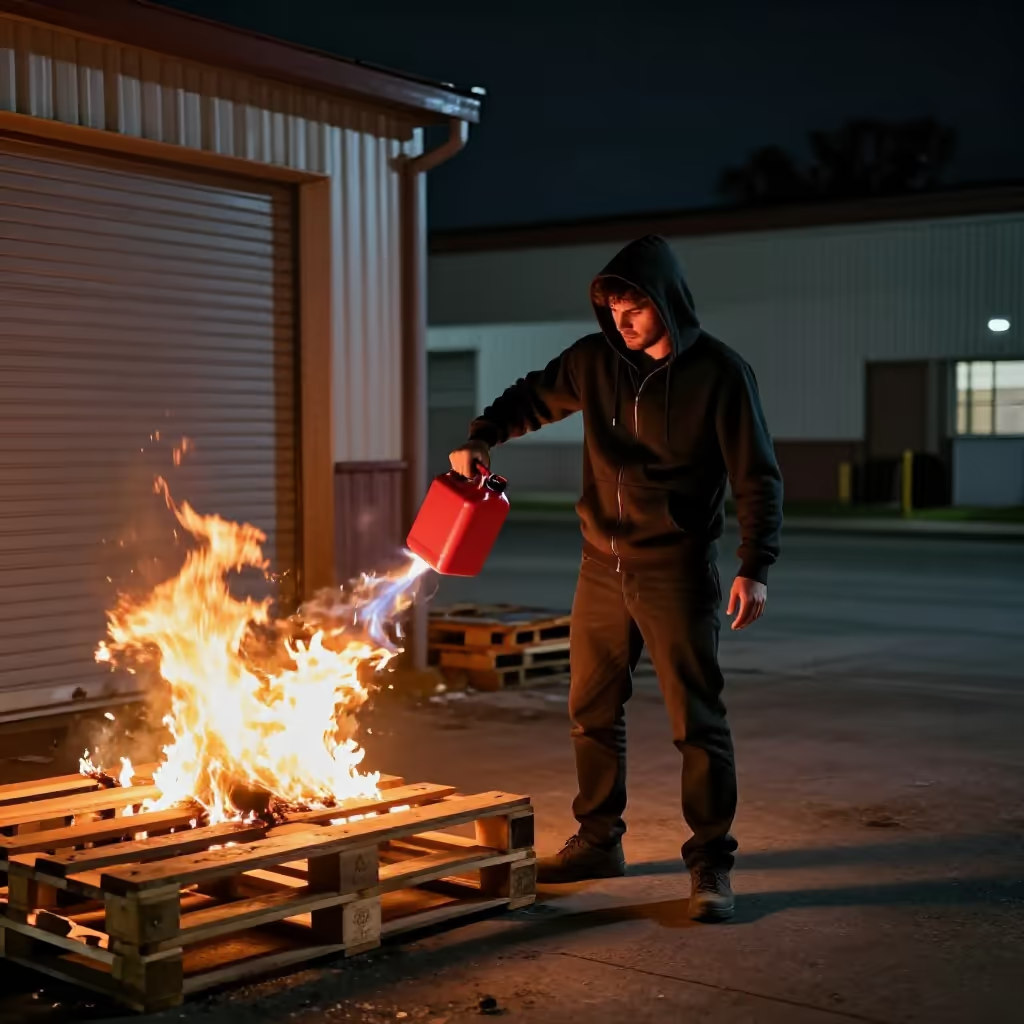
The deliberate and unlawful setting fire to buildings or other property. It is a criminal offense.
example
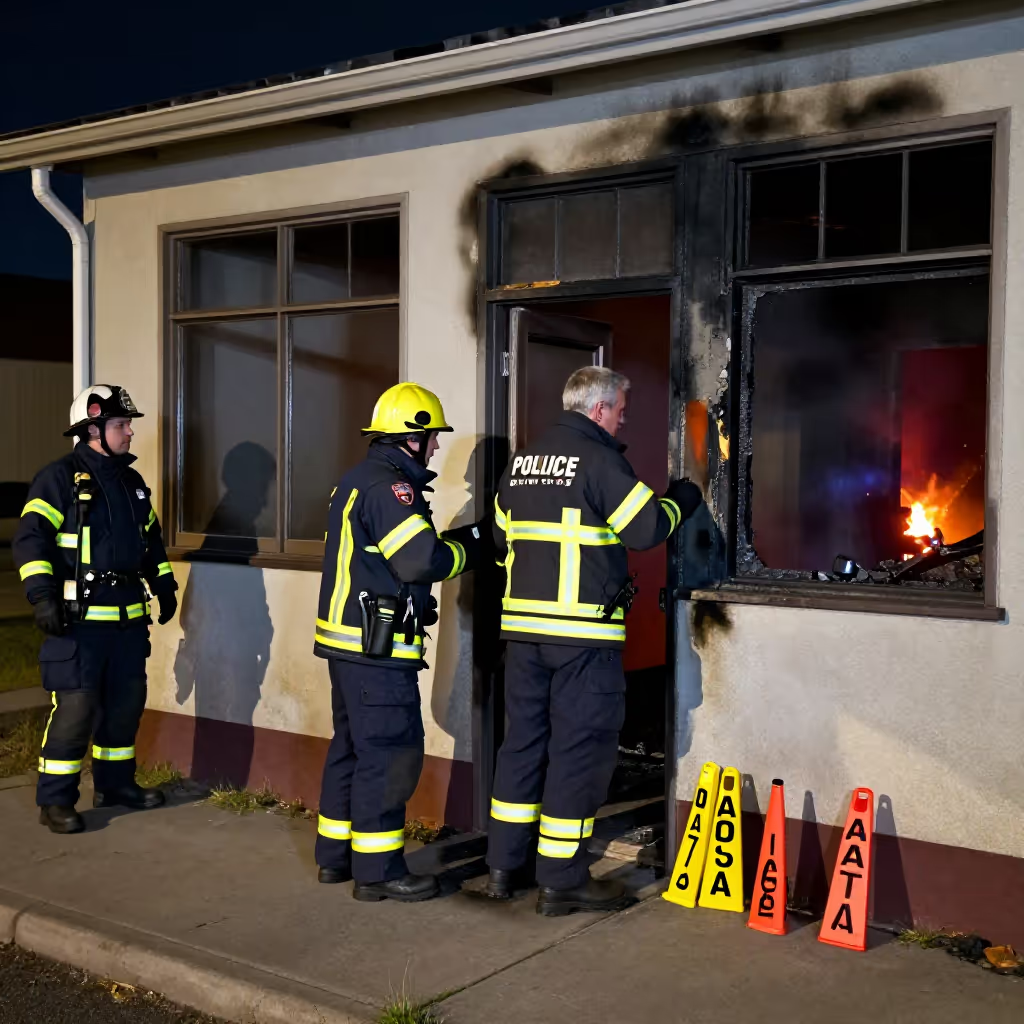
Die Polizei ermittelt wegen Brandstiftung, nachdem die Lagerhalle komplett ausbrannte.
The police are investigating arson after the warehouse burned down completely.
Usage tips
Compound structure
'Brandstiftung' (arson) is a compound noun made up of 'der Brand' (fire) and 'die Stiftung'. The word 'Stiftung' here comes from the verb 'stiften', which in this context means 'to cause' or 'to establish'. So it means the 'causing of a fire'.
EXAMPLE
Er wurde wegen Brandstiftung angeklagt.
He was charged with arson.
Typical verb
In legal and police language, the verb 'begehen' (to commit) is used for carrying out this crime. The fixed expression is 'Brandstiftung begehen' (to commit arson).
EXAMPLE
Der Verdächtige hat zugegeben, die Brandstiftung begangen zu haben.
The suspect admitted to having committed the arson.
Legal context
This word primarily belongs to the technical language of the justice system, police, and insurance. It is often found in news reports about crimes or accidents.
EXAMPLE
Nach dem Feuer im alten Fabrikgebäude ermittelt die Polizei wegen schwerer Brandstiftung.
After the fire in the old factory building, the police are investigating aggravated arson.
Compare with
confusable
Brandstiftung vs Brand
fire / brandy
'Brand' and 'Brandstiftung' both have to do with fire and damage. 'Brand' means the fire itself, that is, an uncontrolled and dangerous fire. 'Brandstiftung' means the deliberate act by which someone starts such a fire. Learners may confuse the words because 'Brand' is part of 'Brandstiftung'. The difference is important: a Brand can also be caused by an accident; Brandstiftung is always deliberate and is a criminal offense.
Brandstiftung
Die Polizei prüft nach dem Feuer den Verdacht auf Brandstiftung.
After the fire, the police are investigating a possible case of arson.
Brand
Nach dem Brand musste die Familie vorübergehend bei Verwandten wohnen.
After the fire, the family had to stay with relatives temporarily.