

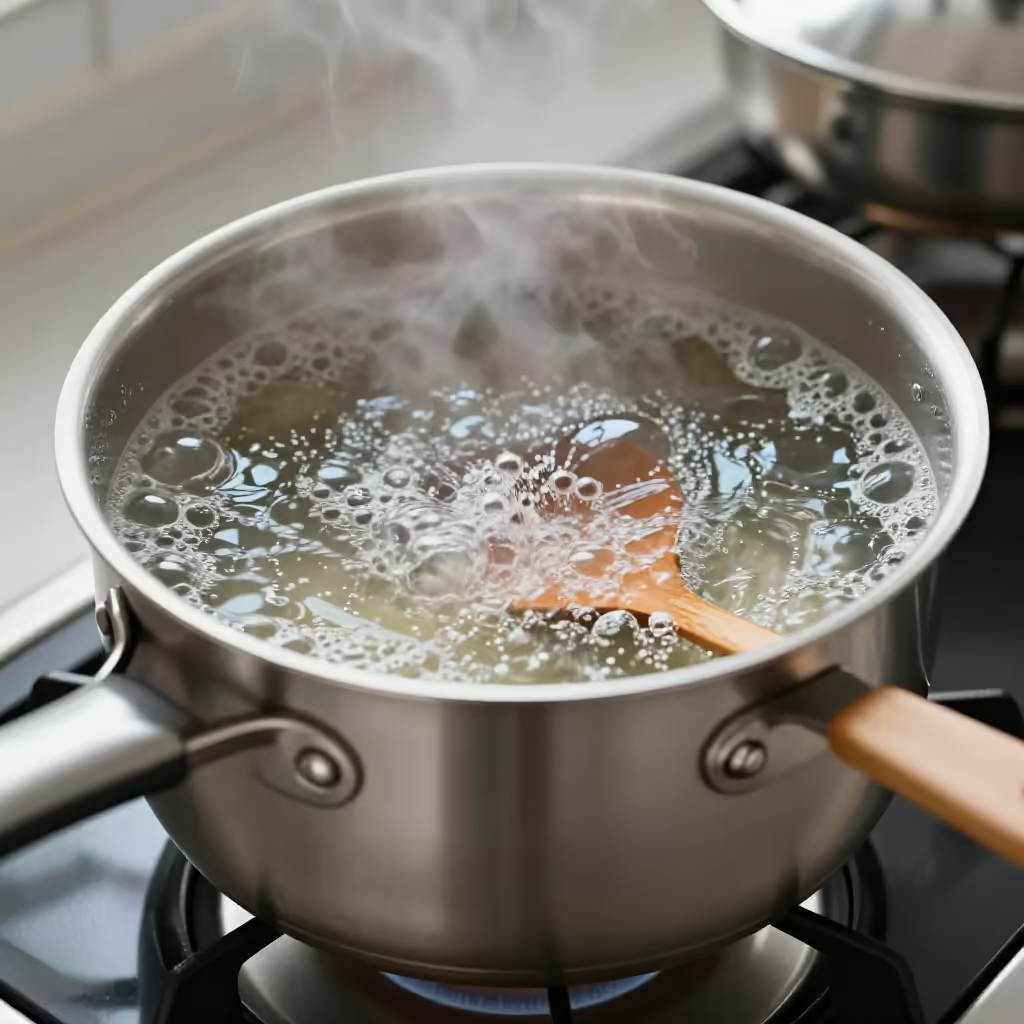
brodeln
to bubble
When a liquid is heated strongly and is just about to boil or is simmering quietly, forming bubbles and making sounds.
Die Suppe brodelt auf dem Herd und duftet herrlich.
The soup is bubbling on the stove and smells wonderful.

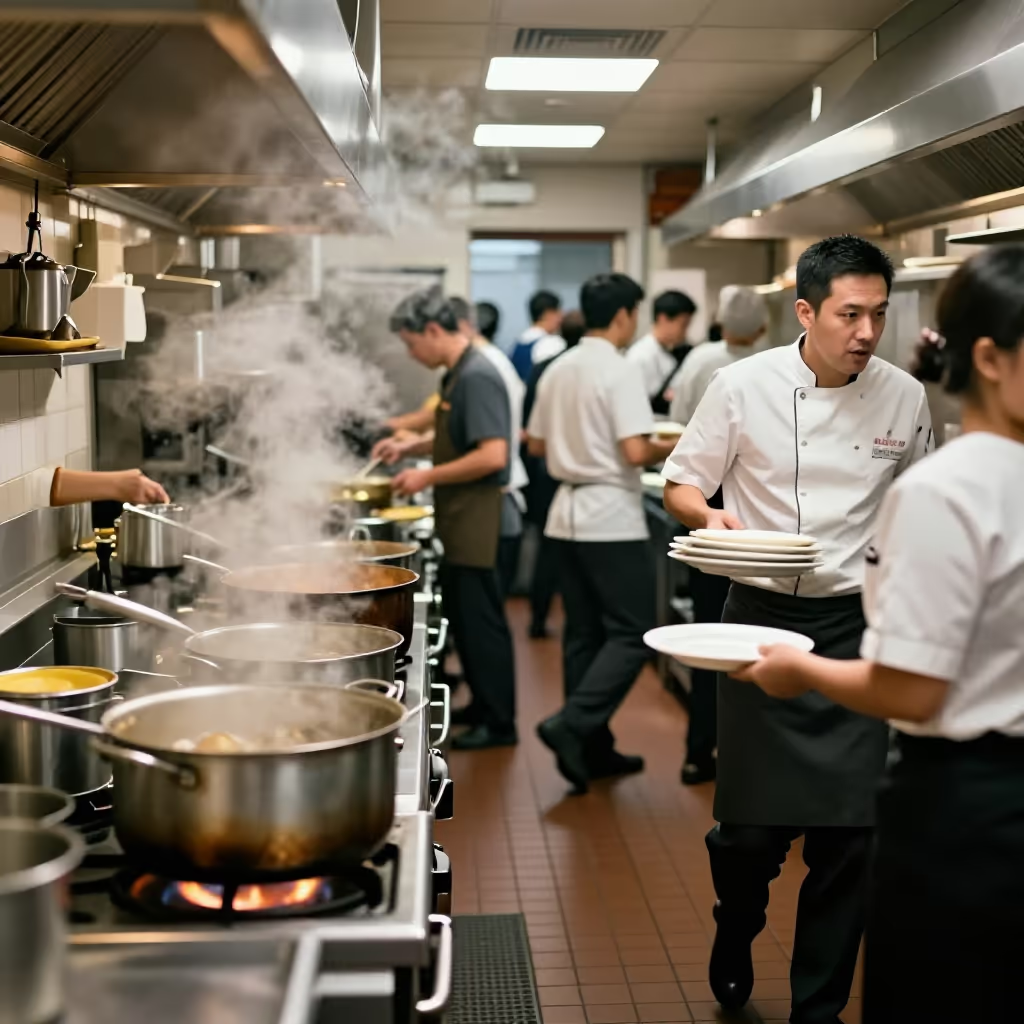
to bubble / seethe
Loading your saved state.
to bubble
When a liquid is heated strongly and is just about to boil or is simmering quietly, forming bubbles and making sounds.
Die Suppe brodelt auf dem Herd und duftet herrlich.
The soup is bubbling on the stove and smells wonderful.

The basic meaning of 'brodeln' (to bubble) is literal and describes a hot liquid. The other meanings are figurative and use this image for strong feelings or great unrest in a place.
Das Wasser für den Tee brodelt schon im Kessel.
The water for the tea is already bubbling in the kettle.
In the figurative sense, 'brodeln' (to seethe) is often used for strong, negative feelings that you feel inside but do not show. Typical feelings are anger, rage, or jealousy.
Während der Diskussion brodelte es in ihm, aber er sagte nichts.
During the discussion, he was seething inside, but he said nothing.
This meaning describes places or situations full of activity, tension, or rumors. A very common expression is 'die Gerüchteküche brodelt' (the rumor mill is buzzing).
Vor der wichtigen Ankündigung brodelte es in der Firma vor Spekulationen.
Before the important announcement, the company was buzzing with speculation.
to cook / to boil
'kochen' and 'brodeln' can both describe a liquid being very hot and forming bubbles. 'kochen' is the normal word for this state. 'brodeln' sounds more vivid: you hear or see bubbles and movement, often just before boiling or at a gentle boil. There is also a similarity with feelings: you can say 'vor Wut kochen' (to boil with rage) or inwardly 'brodeln' (to seethe). 'kochen vor Wut' says more strongly that someone is very angry. 'brodeln' emphasizes more that the anger is still working inside.

Im Topf brodelt die Suppe leise vor sich hin.
The soup is bubbling quietly in the pot.
Das Wasser kocht schon, deshalb kannst du die Nudeln hineingeben.
The water is already boiling, so you can put the pasta in.