

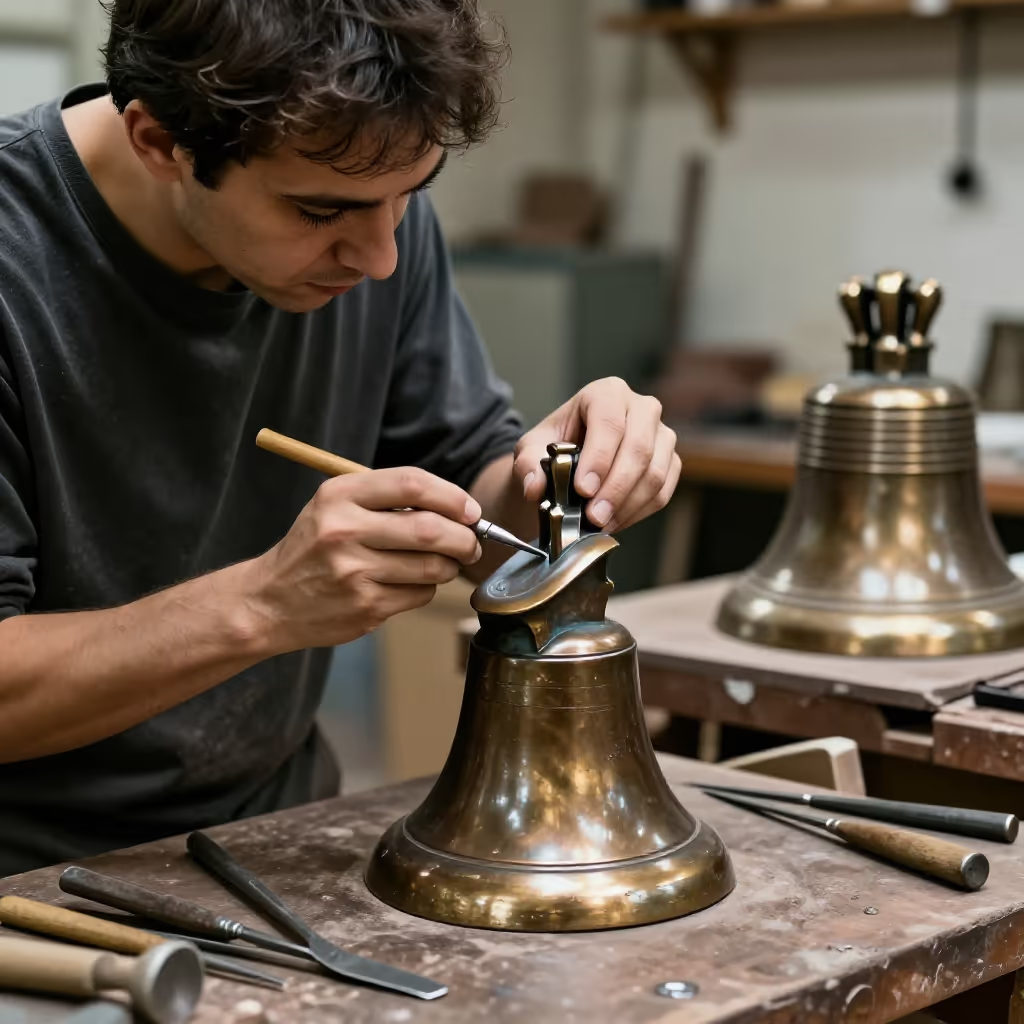
die Bronze
bronze
A metal alloy made mainly of copper and tin and used for bells, statues, or medals.
EXAMPLE
Die antike Statue wurde aus Bronze gefertigt.
The ancient statue was made of bronze.
bronze
Loading your saved state.
bronze
A metal alloy made mainly of copper and tin and used for bells, statues, or medals.
Die antike Statue wurde aus Bronze gefertigt.
The ancient statue was made of bronze.
bronze
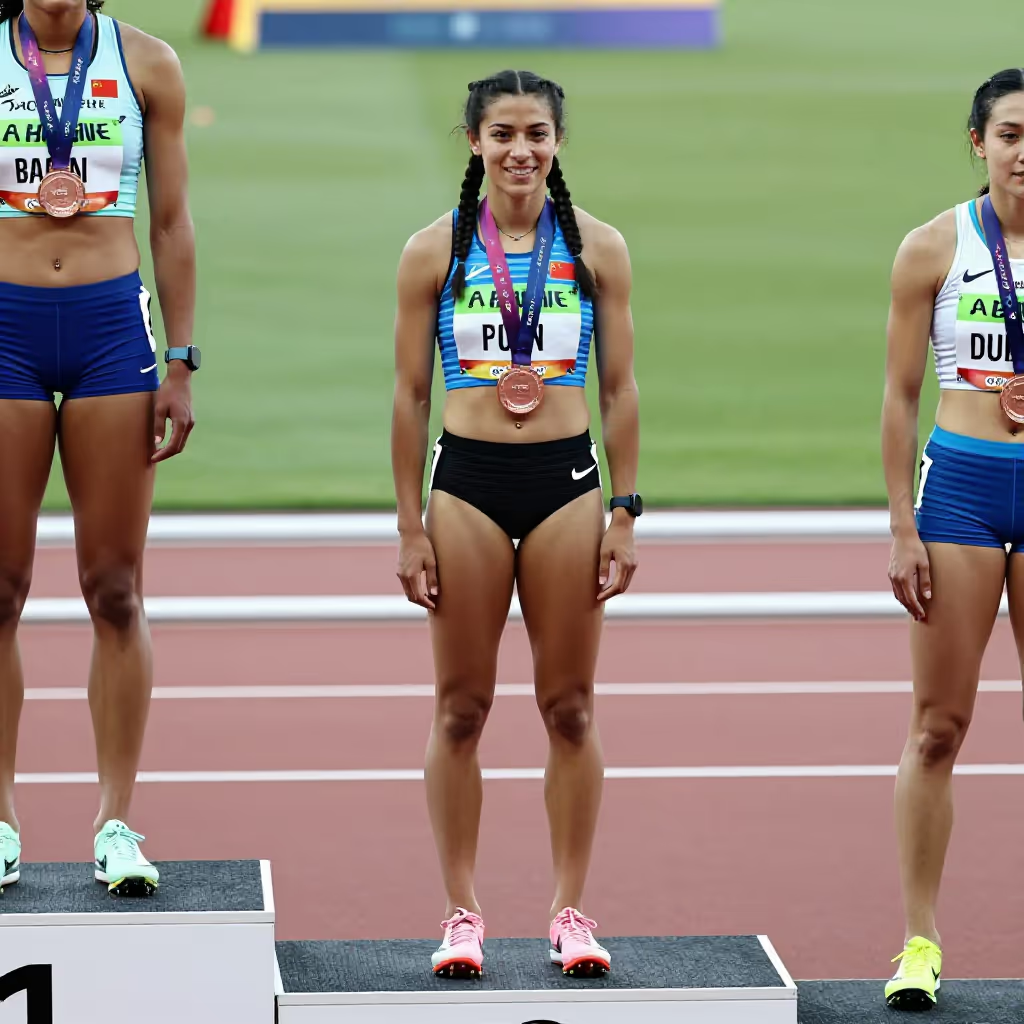
The bronze medal awarded for third place in a sports competition.
Der deutsche Athlet gewann im Finale die Bronze.
The German athlete won bronze in the final.
The meaning of 'Bronze' (bronze) depends heavily on the context. In sports, it almost always refers to the medal for third place. In contexts such as art, history, or archaeology, it means the metal.
Der Schwimmer freute sich riesig über Bronze.
The swimmer was absolutely delighted about winning bronze.
When referring to the medal, 'Bronze' (bronze) is often used with verbs such as 'gewinnen' (to win), 'holen' (to get/win), or 'erkämpfen' (to fight for/win through effort).
Die Mannschaft hat bei der Weltmeisterschaft Bronze geholt.
The team won bronze at the World Championship.
When 'Bronze' (bronze) refers to the metal, it often appears in connection with art or production. Typical formulations are 'eine Statue aus Bronze' (a statue made of bronze) or something 'in Bronze gießen' (to cast something in bronze).
Der Künstler ließ seine Skulptur in Bronze gießen.
The artist had his sculpture cast in bronze.
brass
Bronze and Messing are both alloys containing copper and can look similar in finished objects. Bronze mainly contains tin, whereas Messing contains zinc. When the composition is known, the second metal therefore determines the appropriate term.
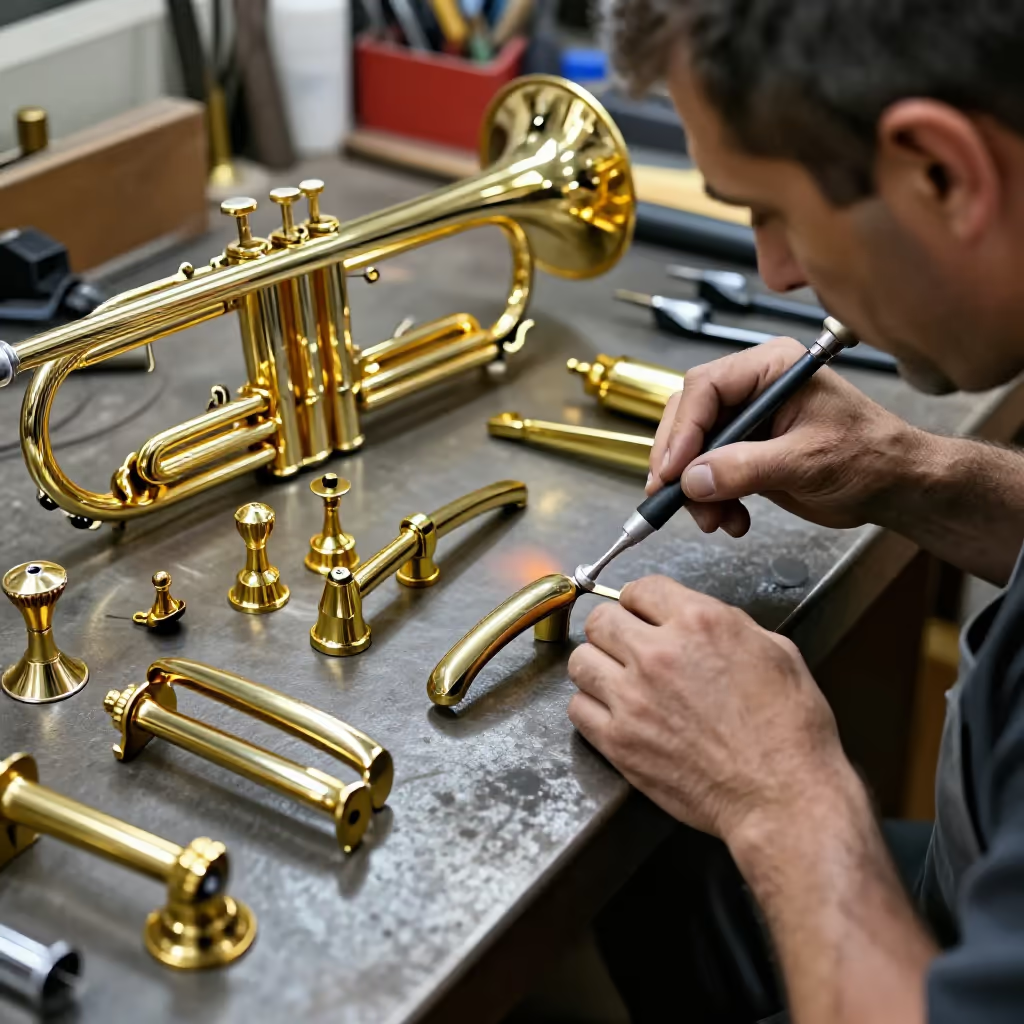
Für den Türgriff wurde Bronze aus Kupfer und Zinn verwendet.
Bronze made from copper and tin was used for the door handle.
Für den Türgriff wurde Messing aus Kupfer und Zink verwendet.
Brass made from copper and zinc was used for the door handle.