

das Fangen
catching
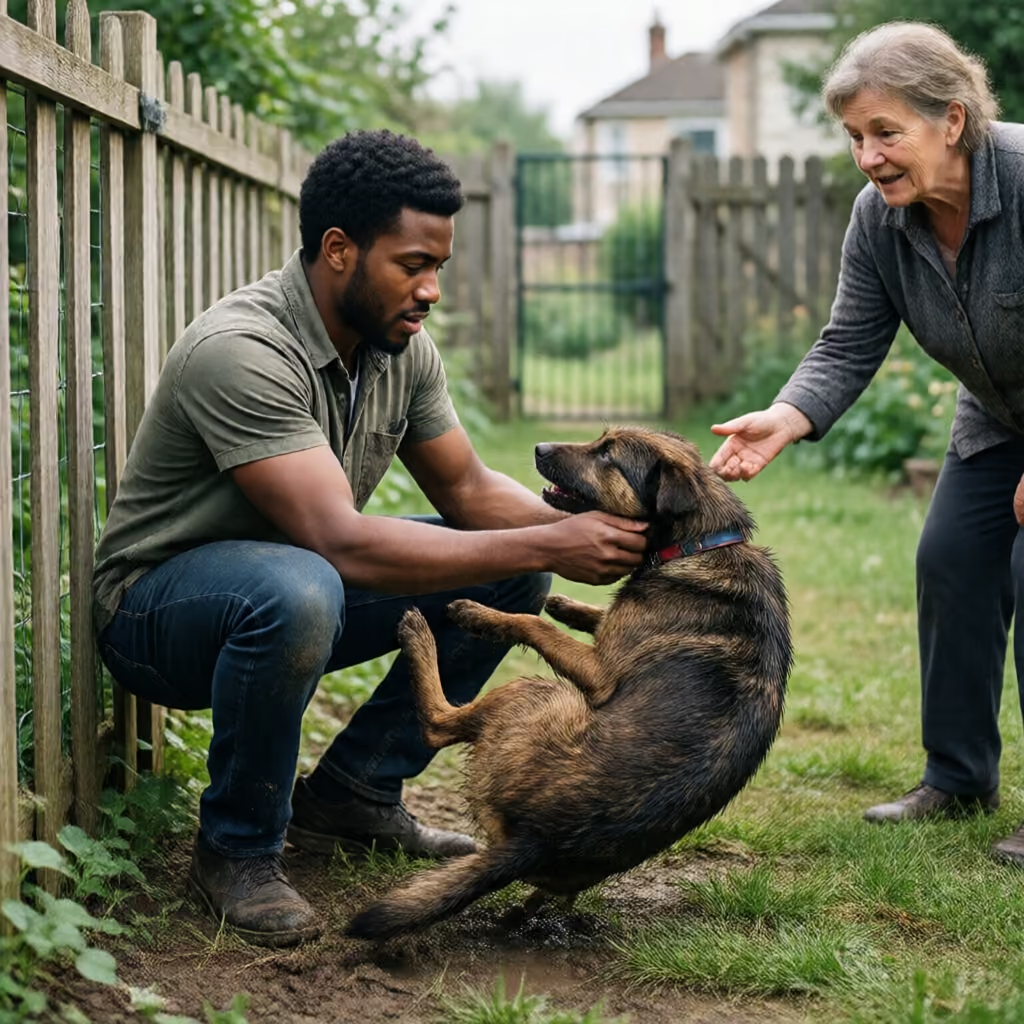
The act of catching or capturing people, animals, or things that are moving or trying to escape.
EXAMPLE
Das Fangen des entlaufenen Hundes dauerte fast eine Stunde.
Catching the runaway dog took almost an hour.
catching / tag
das Fangen
Loading your saved state.
catching
The act of catching or capturing people, animals, or things that are moving or trying to escape.
Das Fangen des entlaufenen Hundes dauerte fast eine Stunde.
Catching the runaway dog took almost an hour.

tag
A children's game in which one player tries to touch the others, making them the one who is “it.”
In der großen Pause spielen die Kinder Fangen.
The children are playing tag during the big break.
| gender | neuter das |
|---|---|
| genitive | des Fangens |
| singular | plural | |
|---|---|---|
| nominative | das Fangen | – |
| accusative | das Fangen | – |
| dative | dem Fangen | – |
| genitive | des Fangens | – |
The article changes with the case; it is shown in colour.
“Das Fangen” (catching) is a nominalized verb and refers to the act of catching. The object of this action is often named with “von” (of) or in the genitive.
Das Fangen von Fischen ist in diesem See verboten.
Catching fish is prohibited in this lake.
In the sense of catching something, “das Fangen” (catching) is often used with specific objects, such as animals, fish, or balls. The phrase “beim Fangen” (while catching) describes the situation during this action.
Beim Fangen des Balles verlor der Torwart das Gleichgewicht.
While catching the ball, the goalkeeper lost his balance.
In the sense of the children's game, “Fangen” (tag) often appears in the fixed expression “Fangen spielen” (to play tag). The context often includes children, a playground, or a break.
Am Strand haben wir stundenlang Fangen gespielt.
We played tag for hours at the beach.