


das Fest
celebration
A celebration at which people come together for a special occasion to eat, drink, or socialize.
EXAMPLE
Zum Geburtstag veranstaltet sie ein großes Fest.
She is throwing a big celebration for her birthday.
celebration / festival
das Fest, die Feste
Loading your saved state.
celebration
A celebration at which people come together for a special occasion to eat, drink, or socialize.
Zum Geburtstag veranstaltet sie ein großes Fest.
She is throwing a big celebration for her birthday.
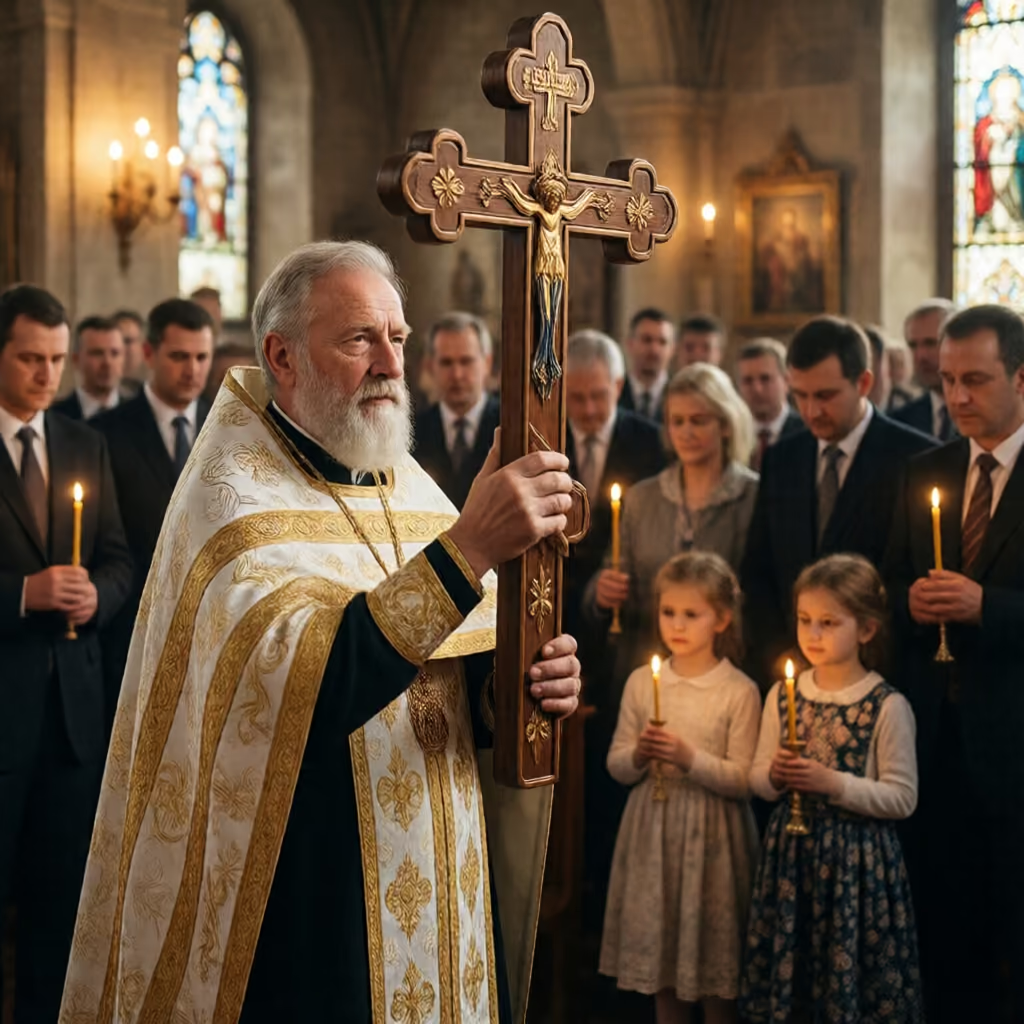
religious festival
A religious holiday or celebration that commemorates an important event or religious figure.
Das Fest der Auferstehung wird in vielen Ländern feierlich begangen.
The Festival of the Resurrection is solemnly observed in many countries.
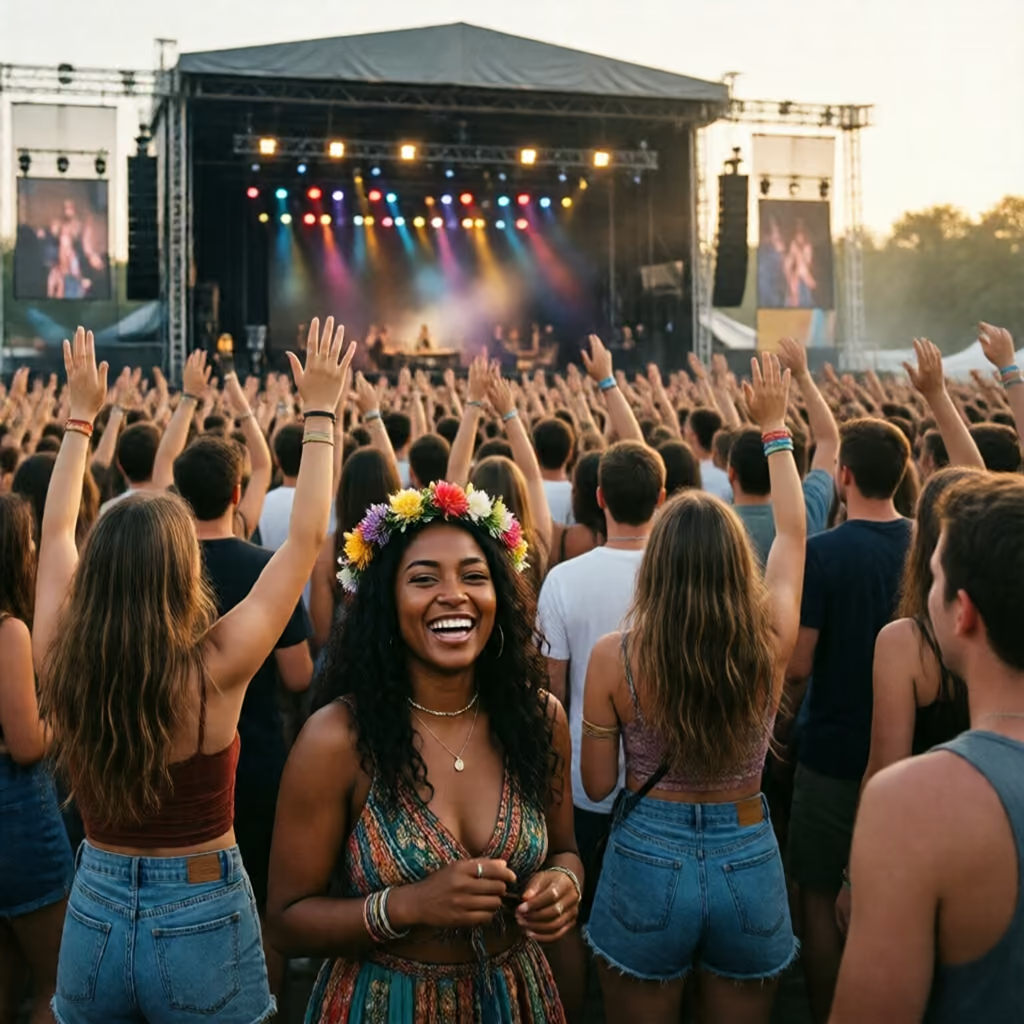
festival
A usually public event featuring music, culture, entertainment, or particular traditions.
Im Sommer findet in unserer Stadt ein internationales Fest statt.
An international festival takes place in our city in the summer.
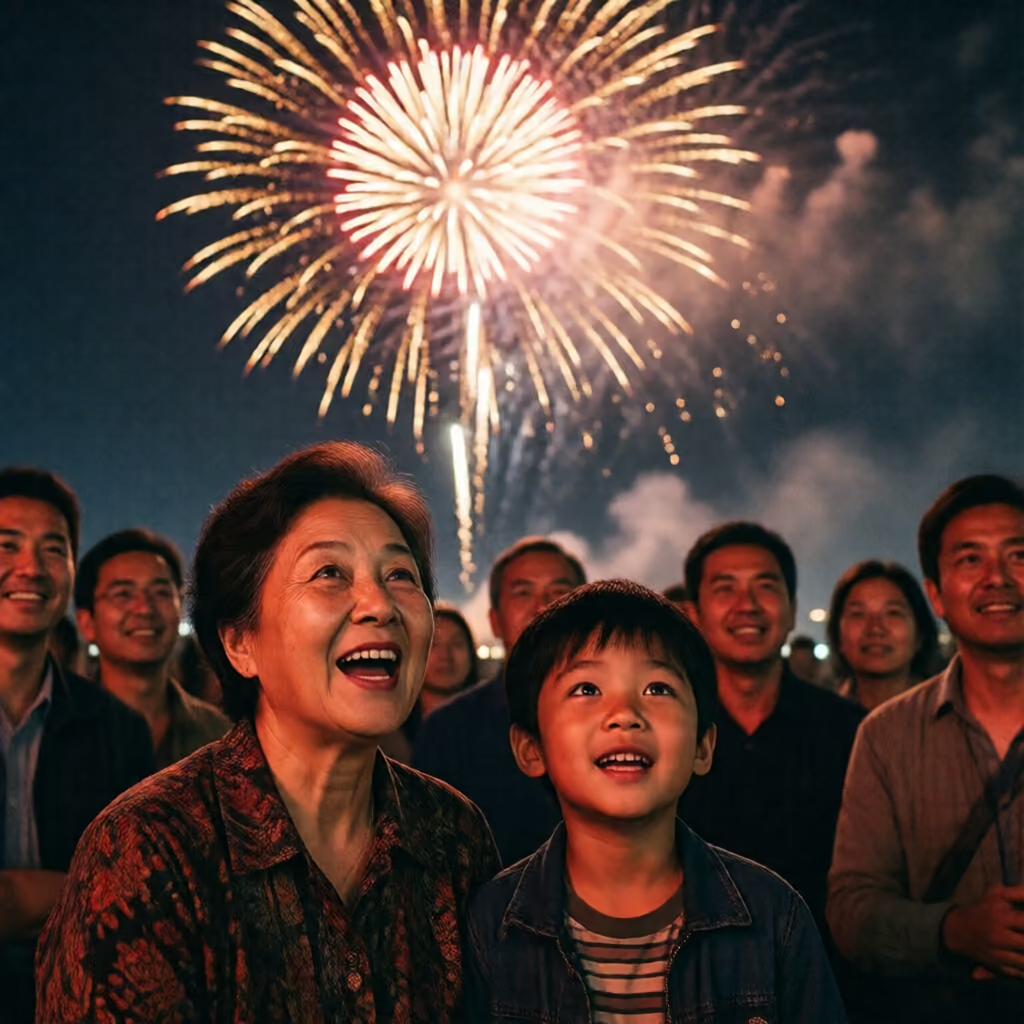
a feast for the eyes / ears
Something that is especially beautiful to look at or pleasant to listen to and therefore provides great enjoyment.
Das farbenfrohe Feuerwerk war ein Fest für die Augen.
The colorful fireworks were a feast for the eyes.
| gender | neuter das |
|---|---|
| plural | die Feste |
| genitive | des Festes |
| singular | plural | |
|---|---|---|
| nominative | das Fest | die Feste |
| accusative | das Fest | die Feste |
| dative | dem Fest | den Festen |
| genitive | des Festes des Fests | der Feste |
The article changes with the case; it is shown in colour.
The German word “Fest” (celebration / festival) is often used with verbs such as “feiern” (to celebrate), “veranstalten” (to organize), “besuchen” (to attend), and “stattfinden” (to take place). For the location of a celebration, German often uses “auf einem Fest” (at a celebration) or “auf dem Fest” (at the celebration).
Wir veranstalten zum Abschluss des Schuljahres ein Fest.
We are organizing a celebration at the end of the school year.
Viele Familien treffen sich jedes Jahr auf dem Fest.
Many families get together at the celebration every year.
In the sense of a private celebration, “Fest” (celebration) is often connected with an occasion or a person, for example a birthday, wedding, or anniversary. Typical patterns are “ein Fest zu ...” (a celebration for ...) and “ein Fest für jemanden” (a celebration for someone).
Zu ihrer Hochzeit gab die Familie ein großes Fest.
The family threw a big celebration for their wedding.
Die Kinder organisierten ein kleines Fest für ihren Großvater.
The children organized a small celebration for their grandfather.
The religious meaning is often recognizable from a religious name or from the phrase “das Fest der ...” (the festival of ...). Such festivals are often used with verbs such as “begehen” (to observe), “feiern” (to celebrate), or “vorbereiten” (to prepare).
Die Gemeinde bereitet das Fest der Geburt Christi vor.
The congregation is preparing for the Festival of the Birth of Christ.
When referring to a public event, “Fest” (festival) often appears in compounds with a place, theme, or tradition, such as “Stadtfest” (city festival), “Straßenfest” (street festival), or “Volksfest” (folk festival). Such a festival is often organized by a city, club, or organization.
Der Verein organisiert im August ein großes Sommerfest.
The club is organizing a big summer festival in August.
Beim Stadtfest gibt es Musik, Essen und ein buntes Programm.
There is music, food, and a varied program at the city festival.
In the expression “ein Fest für die Augen” (a feast for the eyes) or “ein Fest für die Ohren” (a feast for the ears), “Fest” (celebration) is used figuratively for an especially beautiful experience. After “für” (for), the perception or person being described is in the accusative.
Der Sonnenuntergang über dem Meer war ein Fest für die Augen.
The sunset over the sea was a feast for the eyes.
Das Konzert mit dem großen Chor wurde zu einem Fest für die Ohren.
The concert with the large choir became a feast for the ears.