


das Tragen
carrying
The act of moving or holding something with the body, especially with the hands, arms, or on the back.
EXAMPLE
Das Tragen der schweren Kisten war sehr anstrengend.
Carrying the heavy crates was very strenuous.
carrying / wearing / bearing
das Tragen
Loading your saved state.
carrying
The act of moving or holding something with the body, especially with the hands, arms, or on the back.
Das Tragen der schweren Kisten war sehr anstrengend.
Carrying the heavy crates was very strenuous.
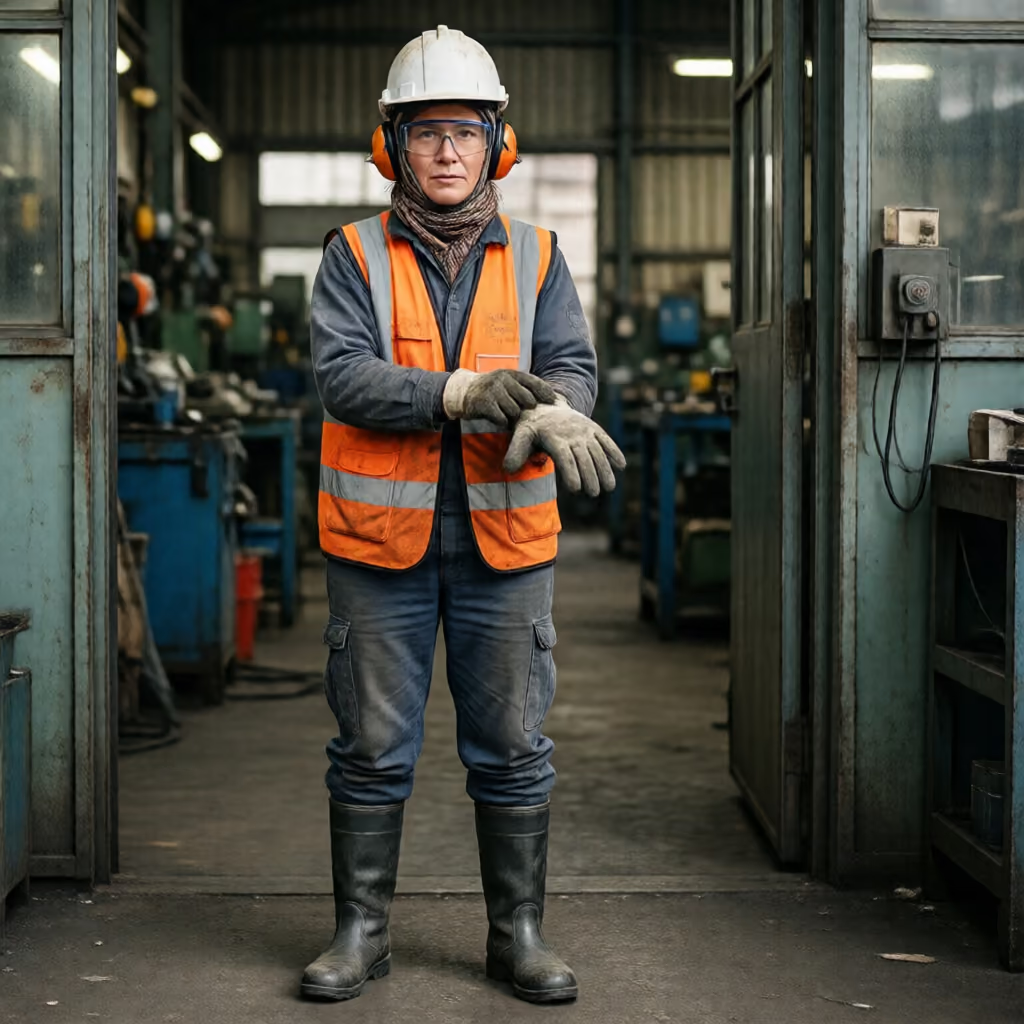
wearing
The act of having clothing, shoes, jewelry, or other items on the body.
Das Tragen von Schutzkleidung ist in diesem Bereich vorgeschrieben.
Wearing protective clothing is mandatory in this area.

bearing
Taking on and enduring responsibility, a burden, or the consequences of something.
Das Tragen der Verantwortung fiel ihm zunehmend schwer.
Bearing the responsibility became increasingly difficult for him.

to come into play
To become effective or relevant and therefore be taken into account.
Bei der Entscheidung kamen schließlich auch soziale Aspekte zum Tragen.
In the end, social aspects also came into play in the decision.
| gender | neuter das |
|---|---|
| genitive | des Tragens |
| singular | plural | |
|---|---|---|
| nominative | das Tragen | – |
| accusative | das Tragen | – |
| dative | dem Tragen | – |
| genitive | des Tragens | – |
The article changes with the case; it is shown in colour.
'Tragen' (carrying) is the infinitive of 'tragen' (to carry) used as a noun. What is being carried can be added using a genitive or 'von' with the dative.
Das Tragen eines schweren Rucksacks kann Rückenschmerzen verursachen.
Carrying a heavy backpack can cause back pain.
Das Tragen von schweren Rucksäcken kann Rückenschmerzen verursachen.
Carrying heavy backpacks can cause back pain.
A typical collocation is 'jemandem beim Tragen helfen' (to help someone carry something). The person receiving help is in the dative; what is being carried does not need to be mentioned after 'beim Tragen' if it is clear from the situation.
Die Taschen sehen schwer aus; soll ich dir beim Tragen helfen?
The bags look heavy; shall I help you carry them?
In rules and regulations, 'das Tragen' (wearing) often appears with 'ist vorgeschrieben' (is mandatory), 'ist erlaubt' (is permitted), or 'ist verboten' (is prohibited). Pay attention to the place or situation to which the rule applies.
In der Werkstatt ist das Tragen einer Schutzbrille vorgeschrieben.
Wearing safety goggles is mandatory in the workshop.
In 'das Tragen von Verantwortung für …' (bearing responsibility for …), 'für' with the accusative names the area or people to whom the responsibility relates.
Das Tragen von Verantwortung für ein großes Team erfordert Erfahrung.
Bearing responsibility for a large team requires experience.
Learn 'zum Tragen kommen' (to come into play) as a fixed unit: 'zum Tragen' remains unchanged, while 'kommen' is adapted to the person and tense. In the perfect tense, the expression uses 'sein'.
Ihre Erfahrung kommt besonders in schwierigen Situationen zum Tragen.
Her experience comes into play especially in difficult situations.
Bei den letzten Verhandlungen ist ihre Erfahrung voll zum Tragen gekommen.
In the last negotiations, her experience fully came into play.