das Treffen
meeting
A planned gathering of two or more people, usually for a specific purpose or in a social setting.
Das Treffen mit den neuen Kollegen findet am Freitag statt.
The meeting with the new colleagues is taking place on Friday.

meeting
das Treffen, die Treffen
Loading your saved state.

meeting
A planned gathering of two or more people, usually for a specific purpose or in a social setting.
Das Treffen mit den neuen Kollegen findet am Freitag statt.
The meeting with the new colleagues is taking place on Friday.

encounter
An encounter or coming together of people or groups that can also happen unexpectedly.
Das zufällige Treffen mit meiner alten Lehrerin hat mich sehr gefreut.
The chance encounter with my former teacher made me very happy.

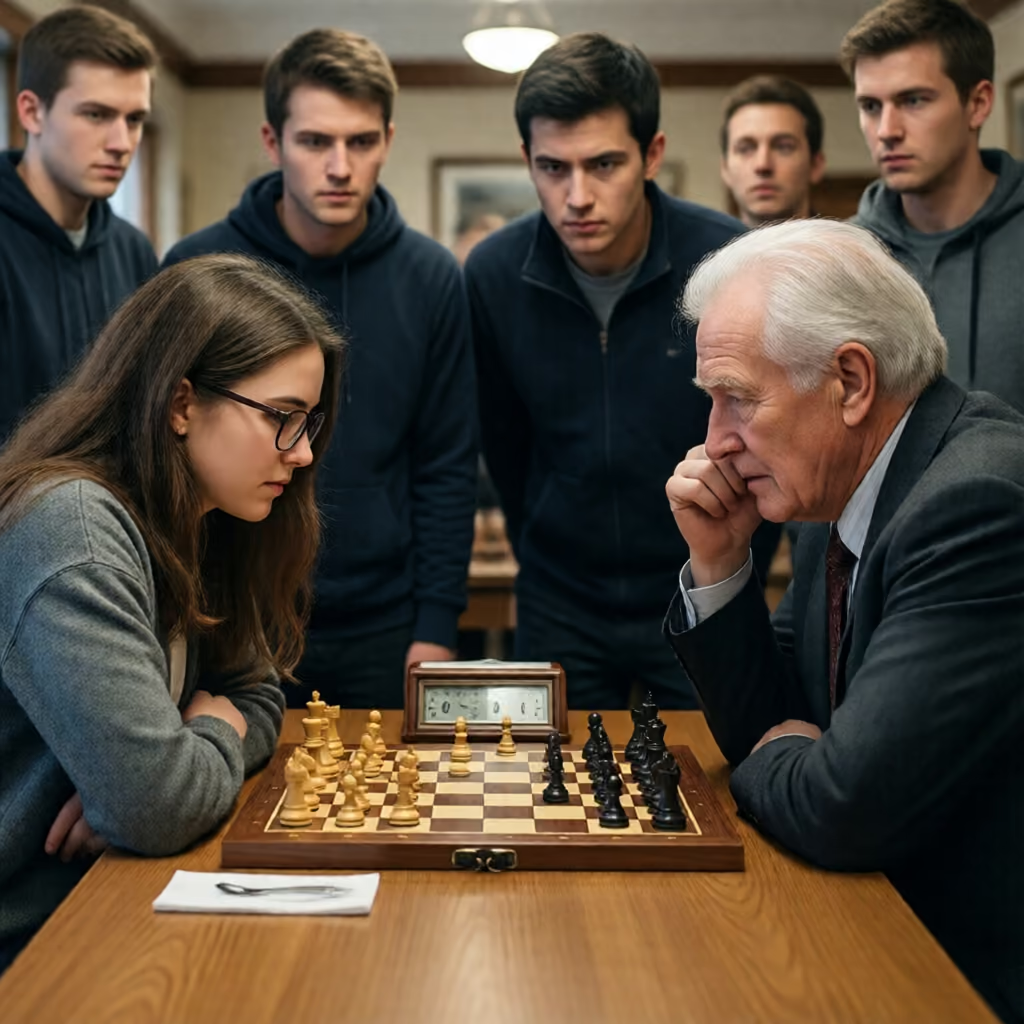
match
A sporting or other competition in which two people or groups compete against each other.
Das Treffen der beiden Schachvereine endete unentschieden.
The match between the two chess clubs ended in a draw.

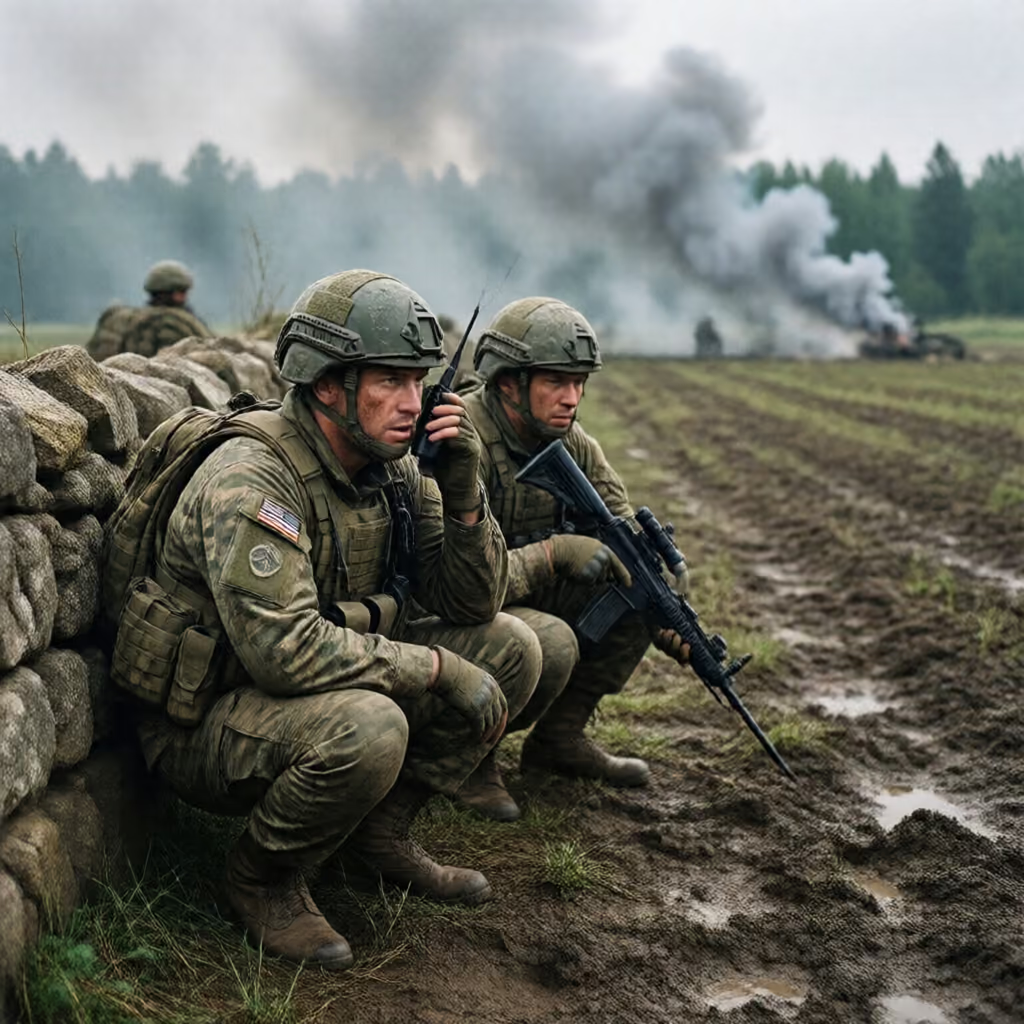
military engagement
A battle or military action between military units or armed groups.
Bei dem Treffen der beiden Armeen gab es viele Verletzte.
There were many casualties in the engagement between the two armies.
| gender | neuter das |
|---|---|
| plural | die Treffen |
| genitive | des Treffens |
| singular | plural | |
|---|---|---|
| nominative | das Treffen | die Treffen |
| accusative | das Treffen | die Treffen |
| dative | dem Treffen | den Treffen |
| genitive | des Treffens | der Treffen |
The article changes with the case; it is shown in colour.
'Treffen' (meeting) is the nominalized form of the verb 'treffen' (to meet). As a noun, it often refers to an event or the act itself, which is why it frequently appears with information about the time, place, or people involved.
Das Treffen dauerte wegen der vielen Diskussionen länger als geplant.
The meeting lasted longer than planned because of the many discussions.
Signal words often show which meaning is intended: 'geplant' (planned) or 'vereinbart' (agreed) point to a gathering, while 'zufällig' (chance) indicates an unexpected encounter. Words such as 'Mannschaft' (team) or 'Verein' (club) point to the sporting meaning, while 'Armee' (army) or 'Truppen' (troops) indicate the military meaning.
Das vereinbarte Treffen mit dem Vermieter beginnt um zehn Uhr.
The agreed meeting with the landlord begins at ten o'clock.
Das Treffen der beiden Mannschaften wurde vor ausverkauftem Haus ausgetragen.
The match between the two teams was played in front of a sold-out crowd.
Das Treffen der beiden Truppen dauerte nur wenige Stunden.
The engagement between the two troops lasted only a few hours.
For a planned gathering, verbs such as 'ein Treffen vereinbaren' (to arrange a meeting), 'ein Treffen planen' (to plan a meeting), 'ein Treffen absagen' (to cancel a meeting), or 'ein Treffen verschieben' (to postpone a meeting) are frequently used. Information with 'mit' (with) indicating the person or group involved is also very common.
Wir mussten das Treffen mit der Projektgruppe auf nächste Woche verschieben.
We had to postpone the meeting with the project group until next week.
For an unplanned encounter, 'Treffen' (encounter) often appears with adjectives such as 'zufällig' (chance), 'unerwartet' (unexpected), or 'überraschend' (surprising). The context often includes a place or situation where the people meet without having arranged it beforehand.
Das unerwartete Treffen vor dem Bahnhof brachte viele alte Erinnerungen zurück.
The unexpected encounter in front of the train station brought back many old memories.
In a sporting context, 'Treffen' (match) often appears with words for teams, clubs, or other participants. Phrases such as 'gegen den Tabellenführer' (against the league leader) or 'zwischen zwei Vereinen' (between two clubs) show that a competition is meant.
Am Samstag steht das schwere Treffen gegen den Tabellenführer an.
On Saturday, the difficult match against the league leaders is coming up.