


null
zero
The number 0, which expresses the absence of a quantity when counting. It also denotes the starting point of a number scale.
EXAMPLE
Fünf minus fünf ist null.
Five minus five is zero.
zero
Loading your saved state.
zero
The number 0, which expresses the absence of a quantity when counting. It also denotes the starting point of a number scale.
Fünf minus fünf ist null.
Five minus five is zero.

zero
Colloquially used for emphasis: absolutely no or not at all.
Ich habe null Ahnung, wie dieses Gerät funktioniert.
I have zero idea how this device works.

next to zero
So small that it is practically insignificant or barely exists.
Die Chancen auf eine Einigung sind gleich null.
The chances of reaching an agreement are next to zero.
in no time
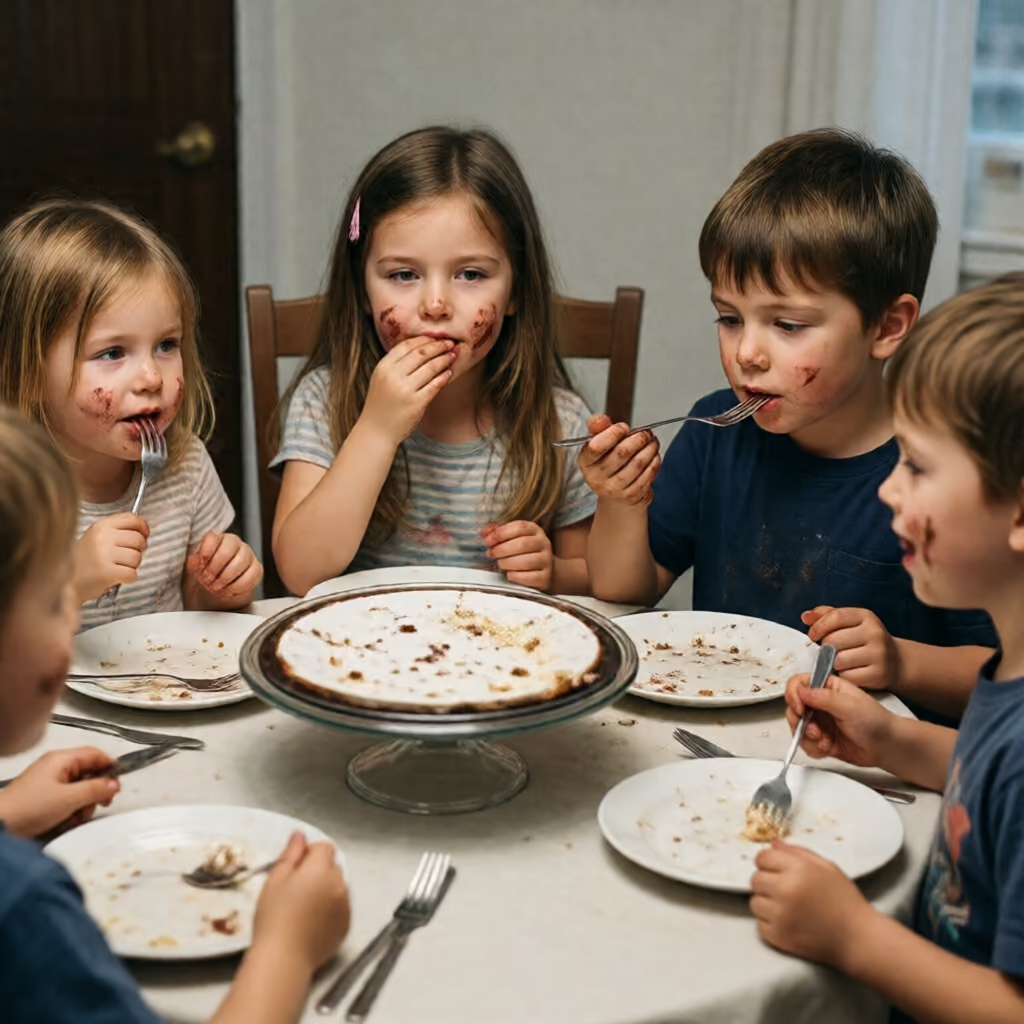
Colloquially: in a very short time; extremely quickly.
Die Kinder hatten den Kuchen in null Komma nichts aufgegessen.
The children had eaten the cake in no time.
zero hour
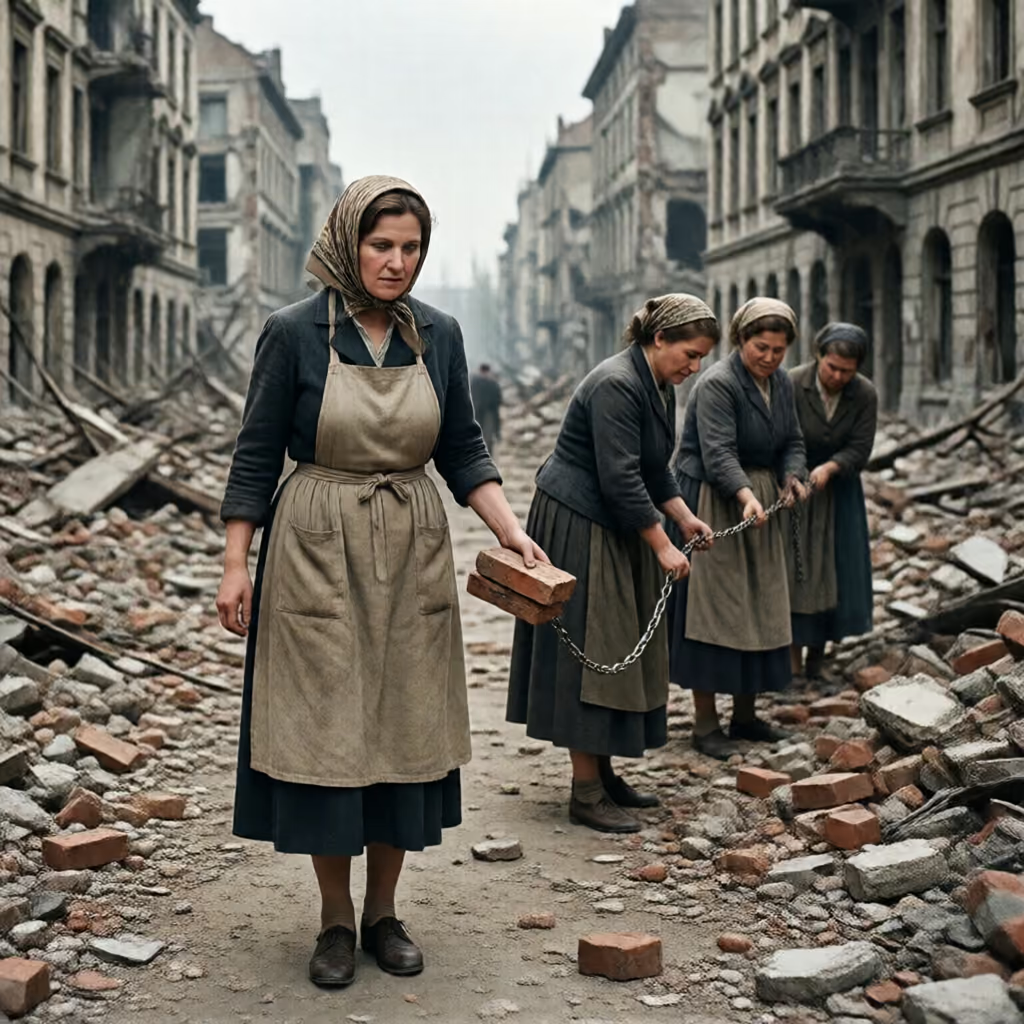
The point in time when a fundamental new beginning takes place. In particular, the expression refers to the end of World War II in 1945 as the beginning of a new political and social order in Germany.
Das Kriegsende im Mai 1945 wird häufig als die Stunde null bezeichnet.
The end of the war in May 1945 is often referred to as the zero hour.
With scales and measurements, 'null' (zero) is often used with terms such as 'Grad' (degrees), 'Prozent' (percent), or 'Euro' (euros). Fixed expressions such as 'bei null beginnen' (to start from zero) and 'auf null setzen' (to reset to zero) are also very common.
Nach dem Zurücksetzen steht der Zähler wieder auf null.
After being reset, the counter is back at zero.
With a scale or process, 'null' (zero) often denotes the starting point. That is why it is frequently used with verbs such as 'beginnen' (to begin), 'starten' (to start), or 'zurücksetzen' (to reset).
Die neue Messung beginnt bei null.
The new measurement starts at zero.
When used for colloquial emphasis, 'null' (zero) comes directly before a noun or fixed expression. Common examples include 'null Ahnung' (no idea), 'null Interesse' (no interest), and 'null Bock' (no desire).
Er hat null Interesse an Fußball.
He has zero interest in soccer.
'Gleich null' (next to zero) is often used as a predicate with 'sein' (to be). With 'liegen' (to lie), the expression 'bei null liegen' (to be at zero) is used. Common words it describes include 'Chance' (chance), 'Nutzen' (benefit), 'Wirkung' (effect), and 'Interesse' (interest).
Der Nutzen dieser Maßnahme ist gleich null.
The benefit of this measure is next to zero.
'In null Komma nichts' (in no time) is a fixed, colloquial expression of time. It usually appears with verbs that express a very fast action or change.
Der Mechaniker reparierte das Fahrrad in null Komma nichts.
The mechanic repaired the bicycle in no time.
In historical texts about Germany, 'die Stunde null' (the zero hour) most often refers to the period after the end of World War II. The expression therefore often appears together with topics such as reconstruction, a new beginning, and political reorganization.
Nach der Stunde null mussten viele Städte fast vollständig neu aufgebaut werden.
After the zero hour, many cities had to be almost completely rebuilt.