

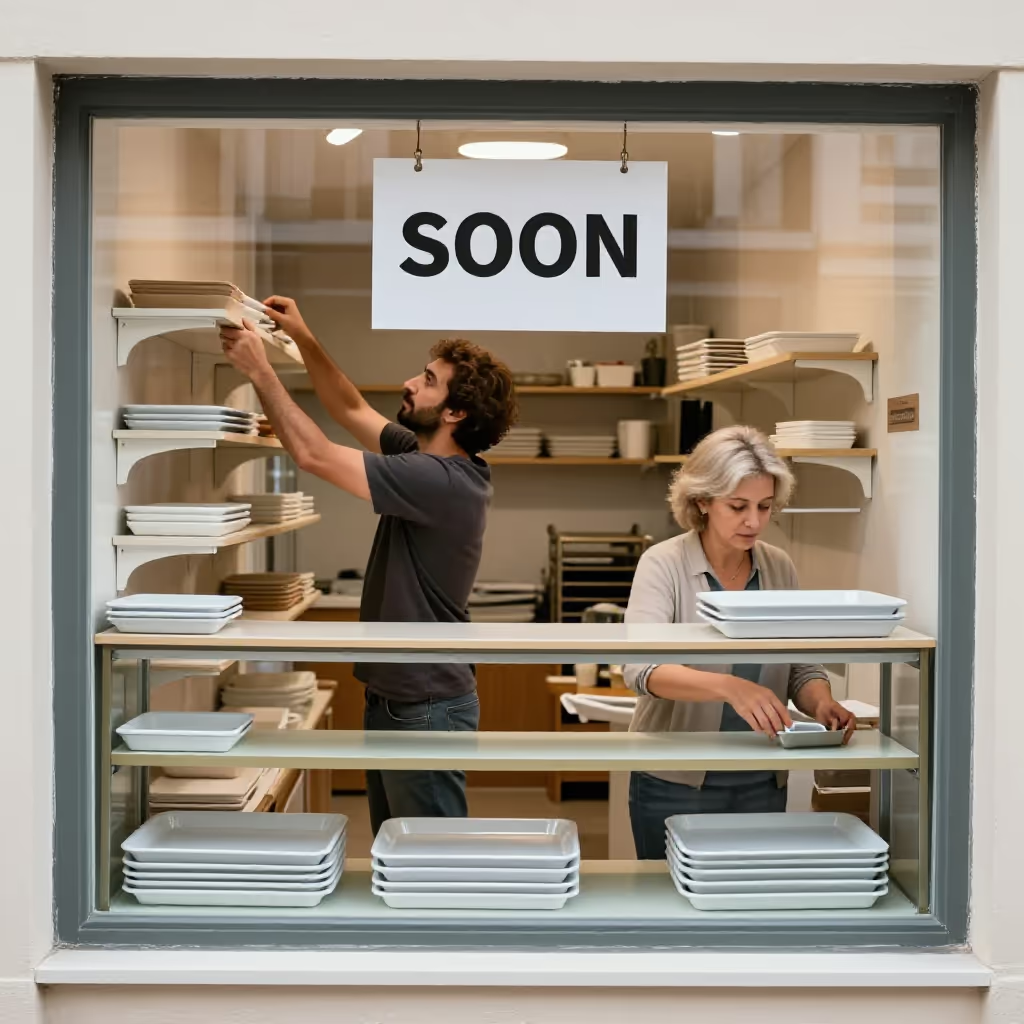
demnächst
soon
In the near future; soon. It expresses that something will happen shortly, without naming an exact time.
EXAMPLE
Der neue Supermarkt eröffnet demnächst.
The new supermarket is opening soon.
soon
Loading your saved state.
soon
In the near future; soon. It expresses that something will happen shortly, without naming an exact time.
Der neue Supermarkt eröffnet demnächst.
The new supermarket is opening soon.
The word is made up of 'dem' and 'nächst' (the superlative of 'nah' (near)). It literally means something like 'at the next' and refers to the next point in time in the future.
Wir werden uns demnächst mit den Details beschäftigen.
We will deal with the details soon.
As an adverb, 'demnächst' (soon) can stand at the beginning of the sentence (position 1) or inside the sentence. If it stands at the beginning, the verb follows directly after it.
Demnächst beginnt der Ausverkauf.
The sale will begin soon.
'Demnächst' (soon) is often used in written announcements, in the news, or in a somewhat more formal context. It often sounds more official than other words with a similar meaning.
Die Ergebnisse der Studie werden demnächst veröffentlicht.
The results of the study will be published soon.
soon / almost
Both words announce something in the near future without naming an exact time. “Bald” often suggests greater closeness in time or a general expectation, while “demnächst” more often refers to a planned time that has not yet been specified exactly. Depending on the context, both are possible.
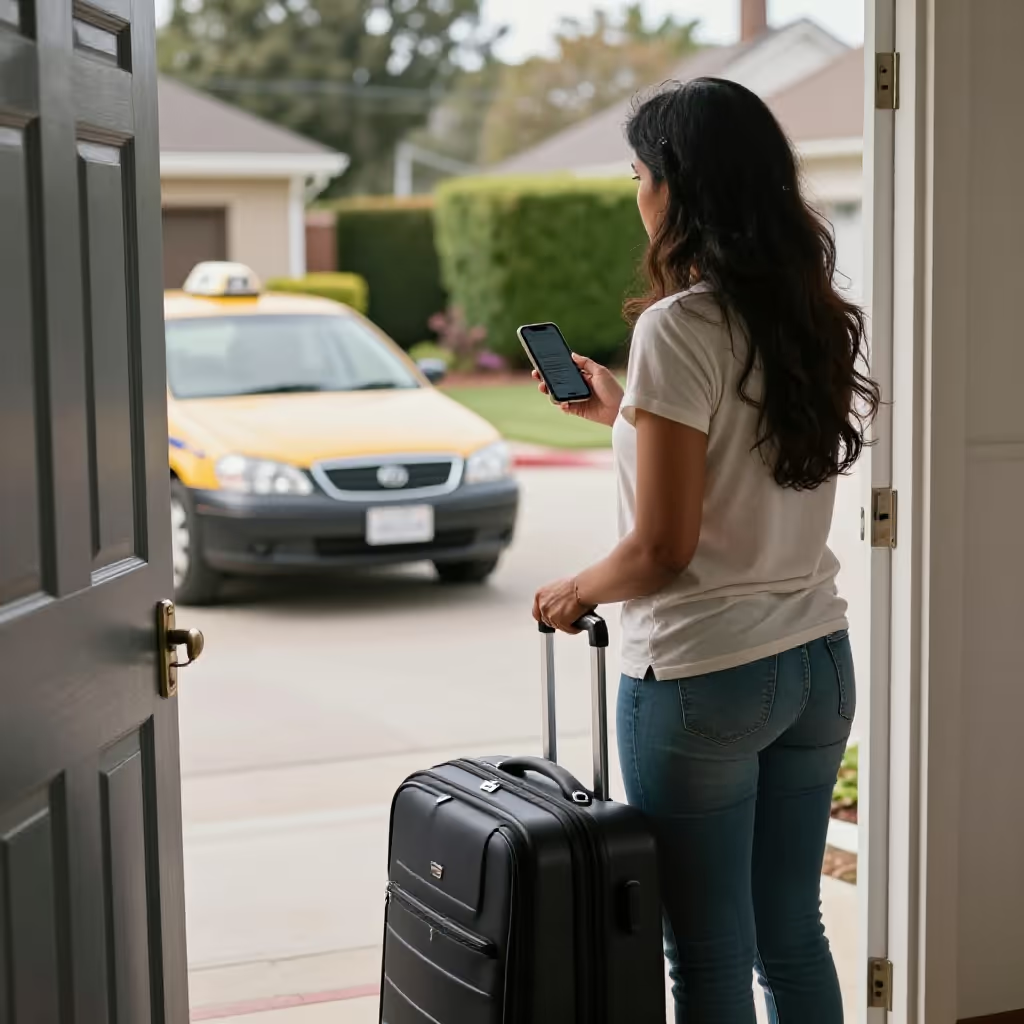
Der neue Kurs beginnt demnächst, aber der genaue Termin steht noch nicht fest.
The new course will begin soon, but the exact date has not yet been set.
Der Bus kommt bald, deshalb warten wir noch ein paar Minuten.
The bus will be here soon, so we’ll wait a few more minutes.