


der Erste
first one
A person who comes before everyone else in a sequence or does something before everyone else.
EXAMPLE
Paul war der Erste, der am Treffpunkt ankam.
Paul was the first one to arrive at the meeting point.
first
die Erste, die Ersten
Loading your saved state.
first one
A person who comes before everyone else in a sequence or does something before everyone else.
Paul war der Erste, der am Treffpunkt ankam.
Paul was the first one to arrive at the meeting point.

first one
A person who achieves the highest rank in a competition or through their performance.
Bei der Siegerehrung erhielt der Erste die Goldmedaille.
At the awards ceremony, the first-place winner received the gold medal.

first day of the month
The first day of a month.
Die Miete ist immer am Ersten des Monats fällig.
The rent is always due on the first of the month.
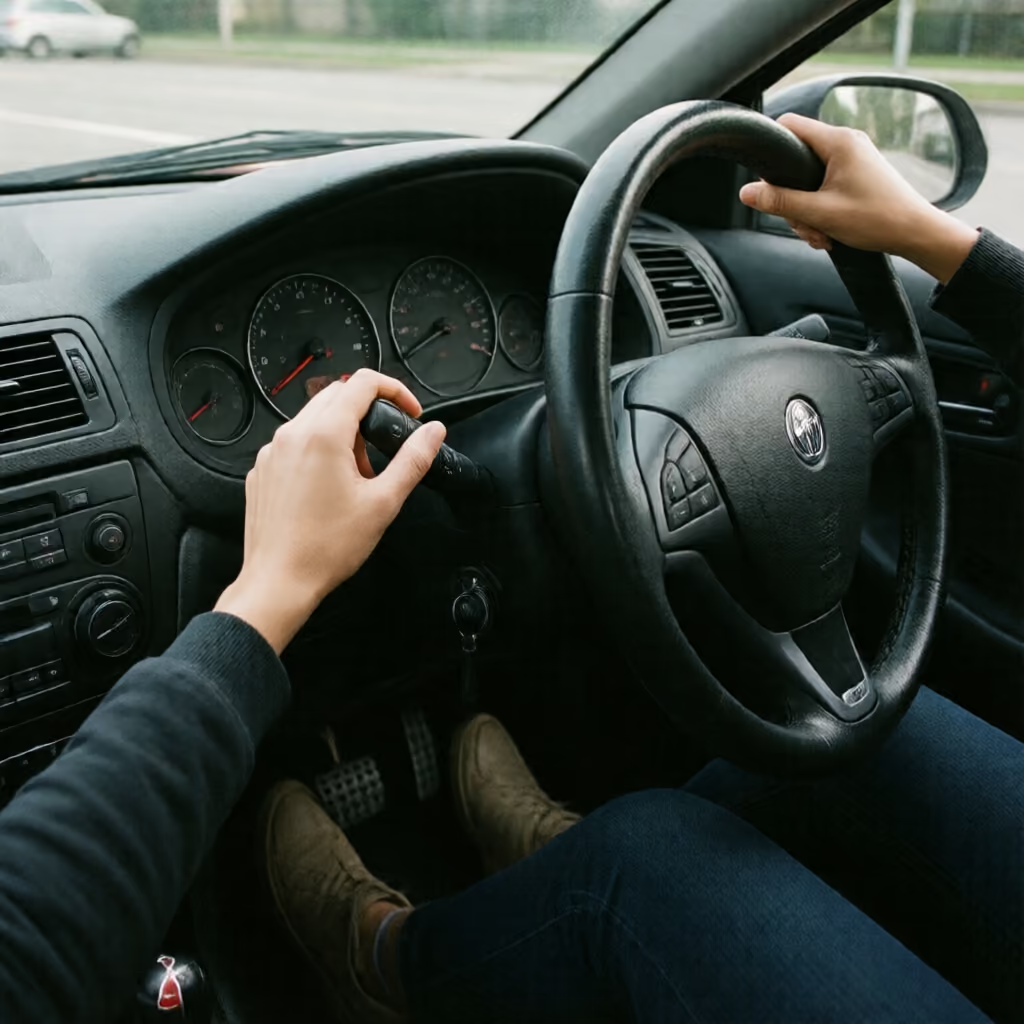
first gear
Colloquially, the first gear in a vehicle's transmission.
Zum Anfahren legte sie den Ersten ein.
To get moving, she engaged first gear.
| gender | feminine die |
|---|---|
| plural | die Ersten |
| genitive | der Ersten |
| singular | plural | |
|---|---|---|
| nominative | die Erste | die Ersten |
| accusative | die Erste | die Ersten |
| dative | der Ersten | den Ersten |
| genitive | der Ersten | der Ersten |
The article changes with the case; it is shown in colour.
A relative clause often follows „der Erste“ and explains what the person does before everyone else. In the pattern „der Erste, der …“ (the first one who …), the verb of the relative clause comes at the end.
Mein Bruder war der Erste, der mir zum Geburtstag gratulierte.
My brother was the first one to wish me a happy birthday.
You can use „als Erster“ or „als Erste“ to directly connect a person's position in a sequence with an action. For a man, use „als Erster“; for a woman, use „als Erste“. When the phrase refers to the subject, it is in the nominative and has no article.
Tim betrat als Erster den Raum.
Tim entered the room first.
In competitions, the phrases „Erster werden“ (to come first) and „Erster sein“ (to be first) are common. In these patterns, „Erster“ is used without an article.
Nach intensivem Training wurde Jonas beim Stadtlauf Erster.
After intensive training, Jonas came first in the city race.
„Am Ersten“ (on the first) names the day on which something happens. „Zum Ersten“ (as of the first) is often used when referring to a change or a new contract and names the scheduled starting date.
Am Ersten wird das Gehalt überwiesen.
The salary is transferred on the first.
Zum Ersten beginnt mein neuer Mietvertrag.
My new rental contract begins as of the first.
When driving, „den Ersten einlegen“ (to engage first gear) and „in den Ersten schalten“ (to shift into first gear) are typical collocations. With „einlegen“, „den Ersten“ is the accusative object; with „schalten“, „in“ is followed by the accusative.
An der roten Ampel legte er schon den Ersten ein.
At the red light, he already put the car in first gear.
Kurz vor der steilen Auffahrt schaltete sie in den Ersten.
Just before the steep uphill stretch, she shifted into first gear.