


durch
through
Describes movement from one side of an object or space to the other.
EXAMPLE
Wir sind mit dem Fahrrad durch den Tunnel gefahren.
We rode our bikes through the tunnel.
through / by
Loading your saved state.
through
Describes movement from one side of an object or space to the other.
Wir sind mit dem Fahrrad durch den Tunnel gefahren.
We rode our bikes through the tunnel.
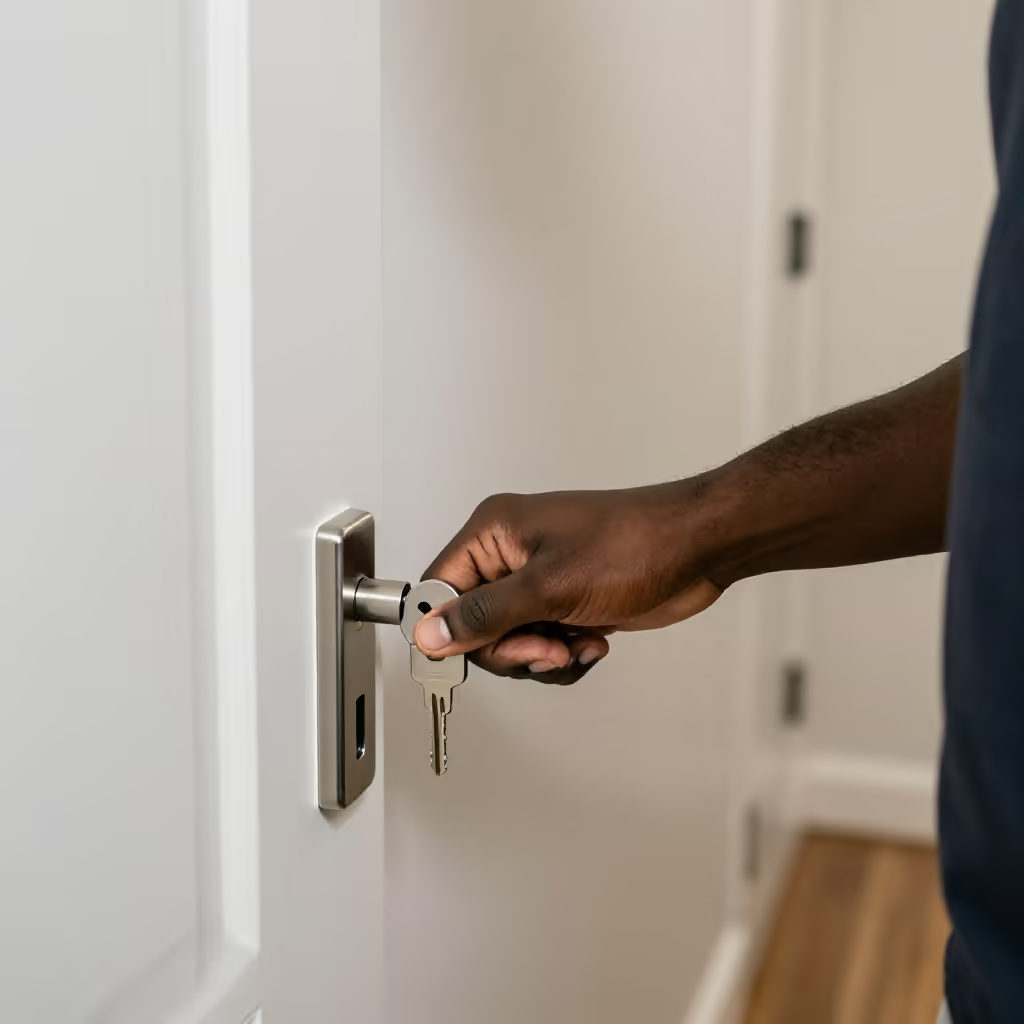
through / by
Indicates the cause, means, or mediation by which something happens.
Ich habe durch einen Freund von der Stelle erfahren.
I found out about the job through a friend.

through
Indicates that something continues for an entire period of time; throughout.
Er hat die ganze Nacht durch gearbeitet.
He worked through the whole night.
by
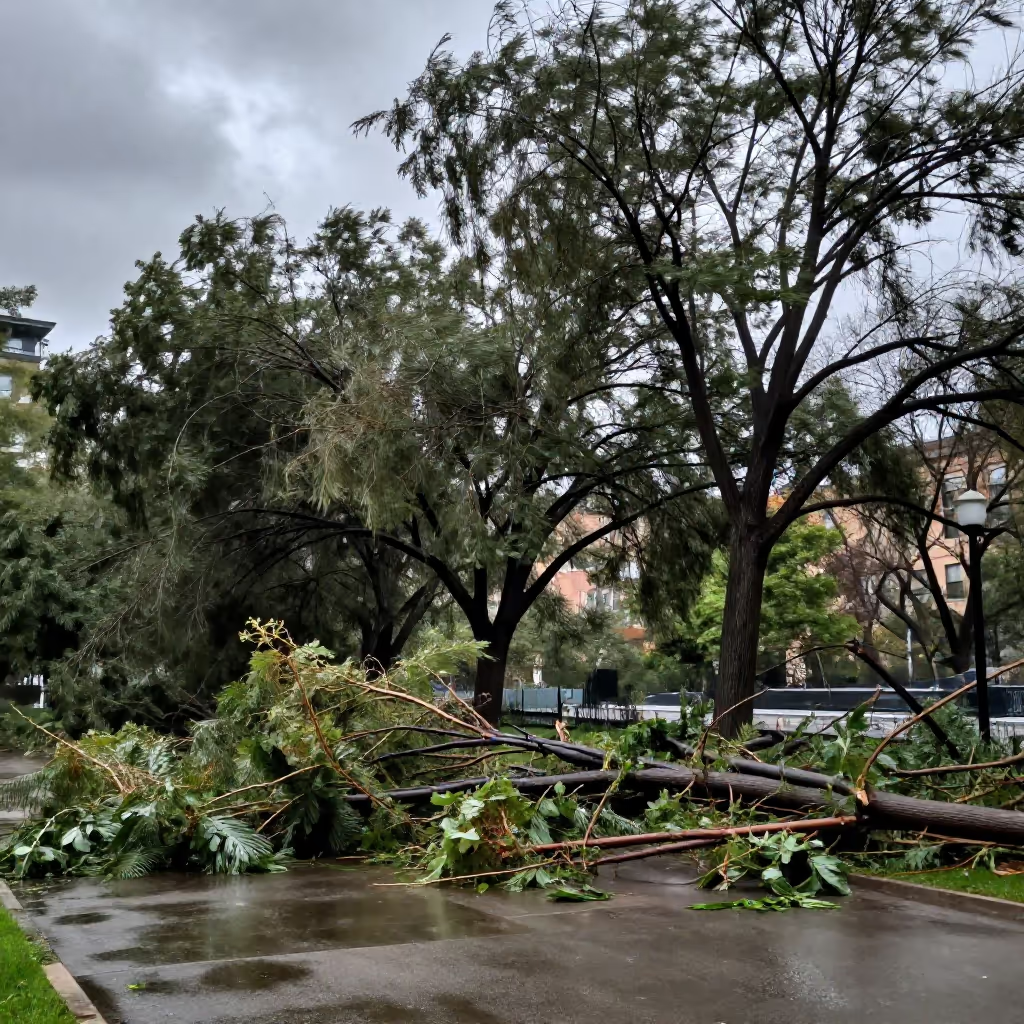
Used in passive sentences to name the agent or cause of an action, often with impersonal forces.
Das Dach wurde durch den Sturm beschädigt.
The roof was damaged by the storm.

to be done
Colloquial for being finished or done with something.
Für heute bin ich mit der Arbeit durch.
I’m done with work for today.
The preposition 'durch' always requires the accusative. No matter which meaning it is used in, the following noun or pronoun is in the accusative.
Er schaut durch das Fenster.
He looks through the window.
You can often recognize the spatial and causal meanings from the noun. If 'durch' refers to a place (e.g., city, door), it is about movement. If it refers to an abstract concept (e.g., chance, work), it is about the cause or means.
Sie liefen durch den Wald.
They ran through the forest.
'Durch' can also be a separable prefix. In verbs like 'durchlesen' (to read through) or 'durcharbeiten' (to work through), it often means carrying out an action completely from beginning to end.
Bitte lies den Vertrag sorgfältig durch.
Please read the contract through carefully.
In passive sentences, 'durch' is used to name the cause or means of an action. It often refers to impersonal forces, events, or intermediaries.
Viele Häuser wurden durch das Erdbeben zerstört.
Many houses were destroyed by the earthquake.
The expression 'mit etwas durch sein' is colloquial and means 'to be finished with something'. The person who is finished appears at the beginning of the sentence.
Ich bin für heute mit meinen Aufgaben durch.
I’m done with my tasks for today.
from / of
In the passive voice, von usually names the person or thing performing the action. Durch, on the other hand, highlights the cause, means, or intermediary, often an impersonal force. Durch can also be used for an agent when its effect or role in bringing about the action is the focus.
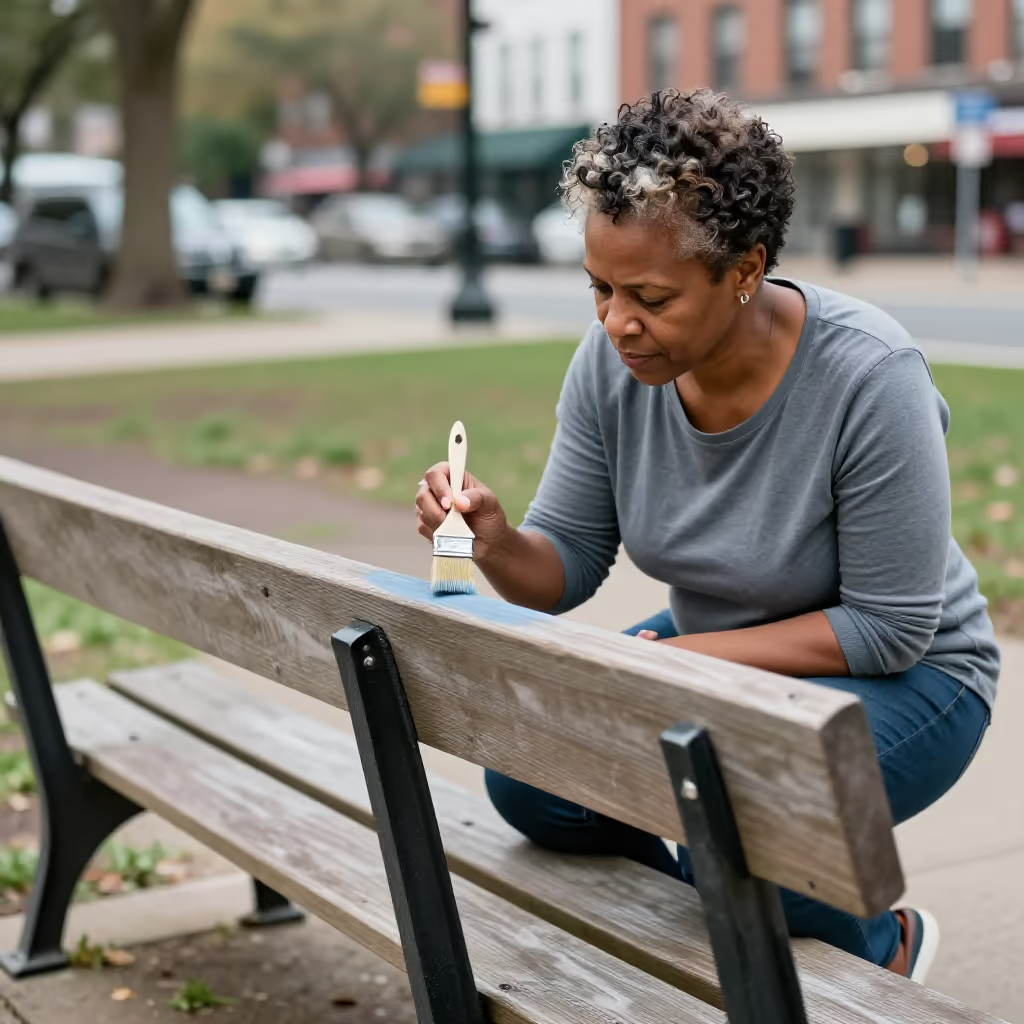
Das Fenster wurde durch den starken Wind geöffnet.
The window was opened by the strong wind.
Das Fenster wurde von einem Handwerker geöffnet.
The window was opened by a tradesperson.