As an intensifying adverb, usually in negative sentences with 'nicht' (not), 'nichts' (nothing), or 'kein' (no/not any), to emphasize the negation. Means 'überhaupt' (at all) or 'absolut' (absolutely).
example
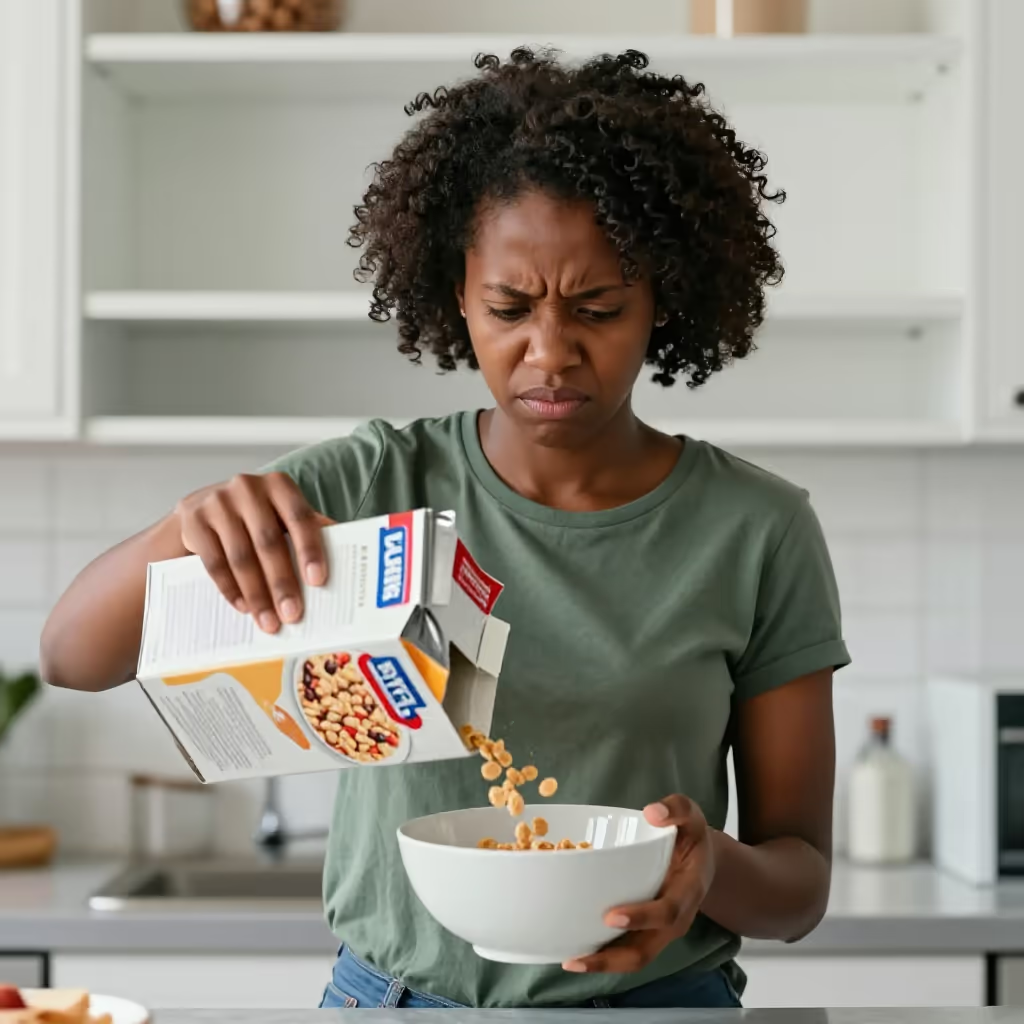
Ich habe gar kein Geld mehr dabei.
I don't have any money with me at all anymore.
Usage tips
Emphasizing negation
The most common use of 'gar' is to strengthen a negation. It is then almost always used together with 'nicht' (not), 'nichts' (nothing), or 'kein' (no/not any).
EXAMPLE
Ich habe heute gar nichts gegessen.
I haven't eaten anything at all today.
Context clue: cooking
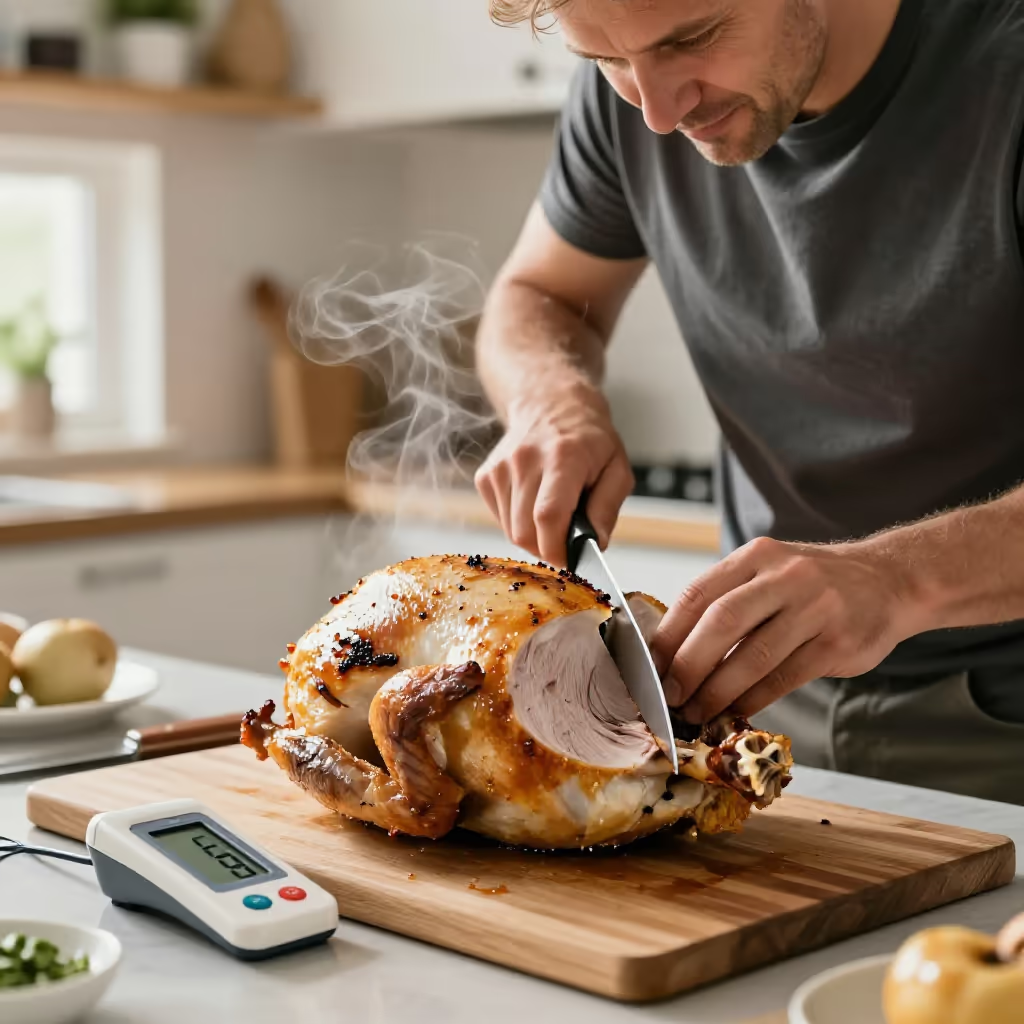
When 'gar' is used in the context of food and cooking, it means 'finished cooking' or 'done.' It describes the state of food.
EXAMPLE
Sind die Nudeln schon gar?
Are the noodles done already?
Use as an adjective
In the culinary meaning, 'gar' is used predicatively, meaning after the noun with a verb like 'sein' (to be). Using it directly before the noun (e.g. 'das gare Fleisch') is uncommon.
EXAMPLE
Der Reis ist noch nicht ganz gar, er braucht noch ein paar Minuten.
The rice is not quite done yet; it needs a few more minutes.
Old-fashioned style
The intensifying meaning 'sogar' (even) or 'sehr' (very), e.g. 'ein gar lustiger Geselle' (a very funny fellow), is old-fashioned. Today you find it almost only in fairy tales or literary texts.
EXAMPLE
Es war eine gar wundersame Geschichte.
It was a truly wondrous story.
Compare with
near_synonym · confusable
gar vs durch
through / by
'durch' and 'gar' can both mean in cooking that something is no longer raw. 'gar' is the more precise and more neutral word for this: the vegetables, meat, or rice are fully cooked. 'durch' is used more colloquially in this context and often with 'sein', especially for meat or cake. Learners may confuse the words because both can refer to the end of cooking. As a practical rule: in recipes and neutral language, 'gar' fits better; in everyday speech, you will also hear 'durch'.