

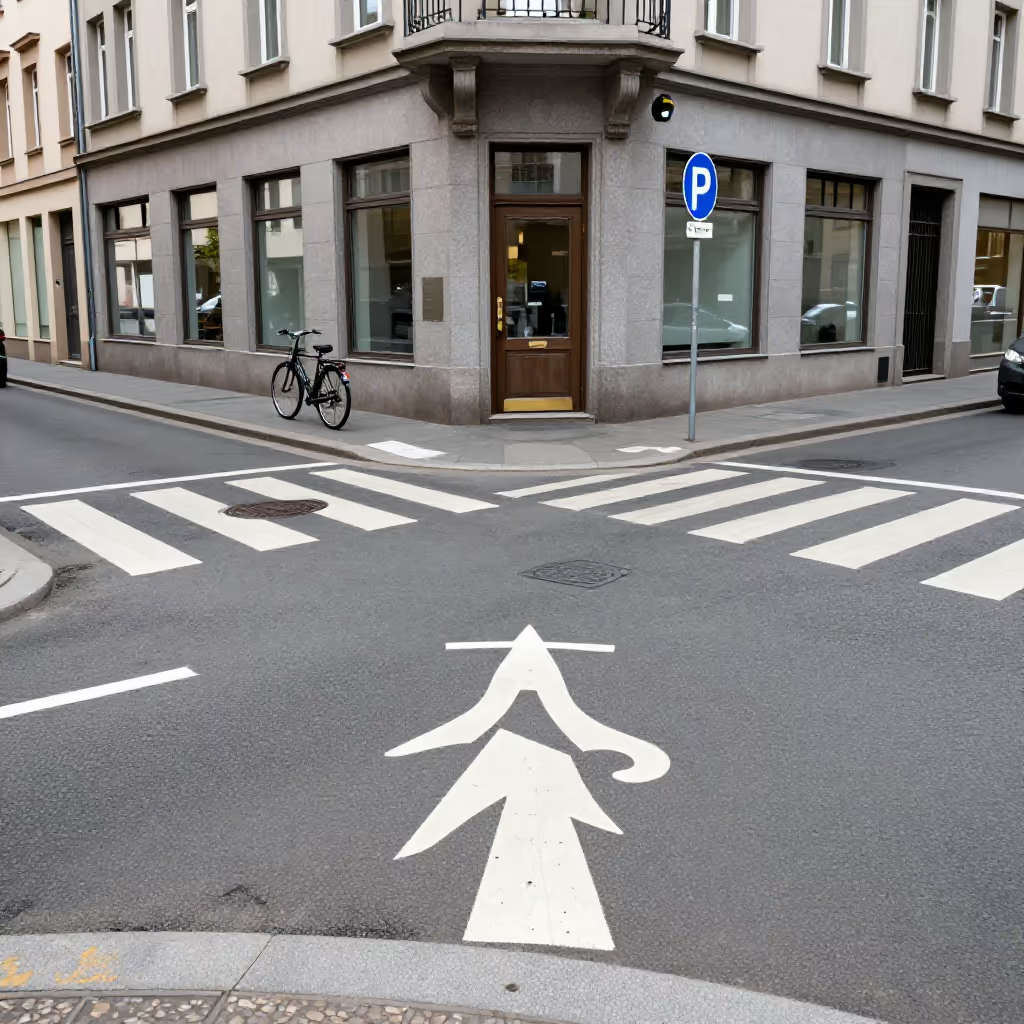
die Ecke
corner
The point or area where two lines, surfaces, or streets meet.
EXAMPLE
Wir treffen uns an der Ecke Hauptstraße und Schillerstraße.
We'll meet at the corner of Hauptstraße and Schillerstraße.
corner
Loading your saved state.
corner
The point or area where two lines, surfaces, or streets meet.
Wir treffen uns an der Ecke Hauptstraße und Schillerstraße.
We'll meet at the corner of Hauptstraße and Schillerstraße.
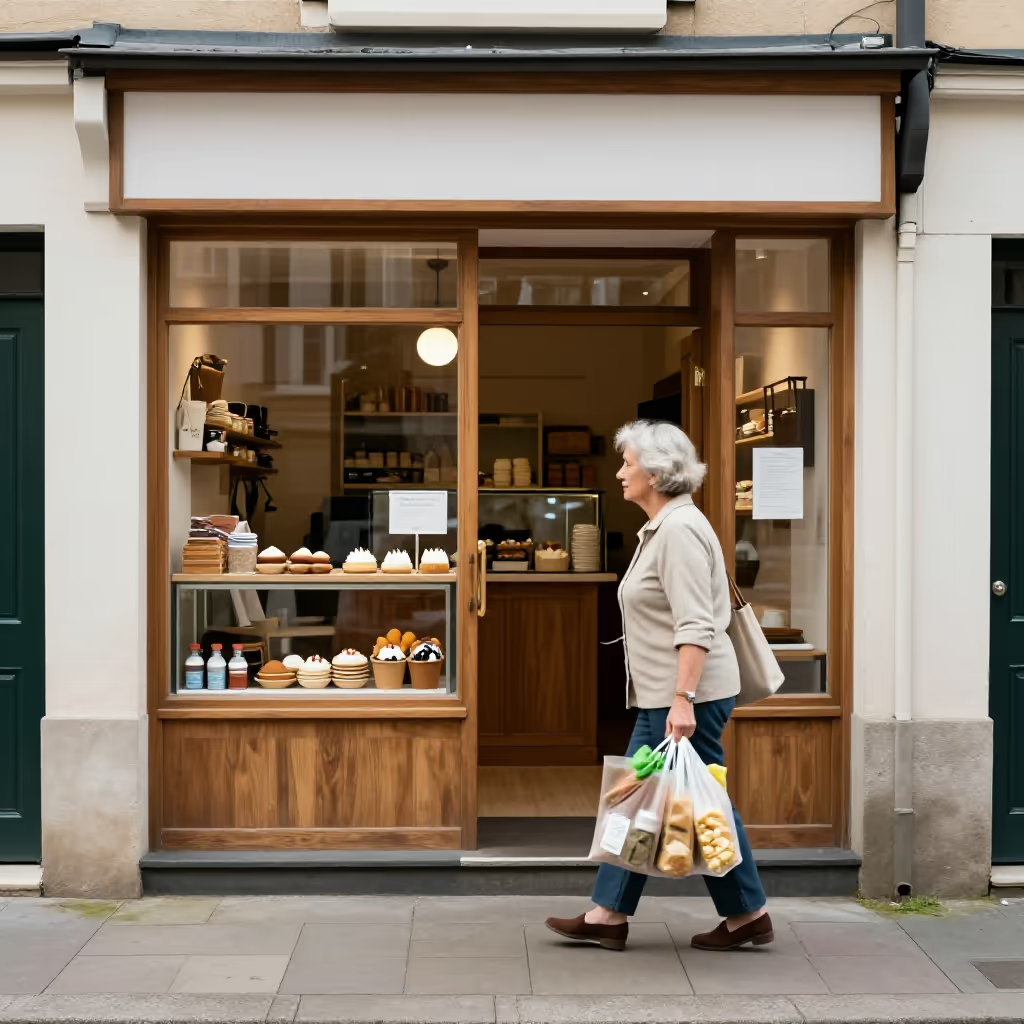
around the corner
Very nearby; not far away.
Die Bäckerei ist gleich hier um die Ecke.
The bakery is right around the corner.
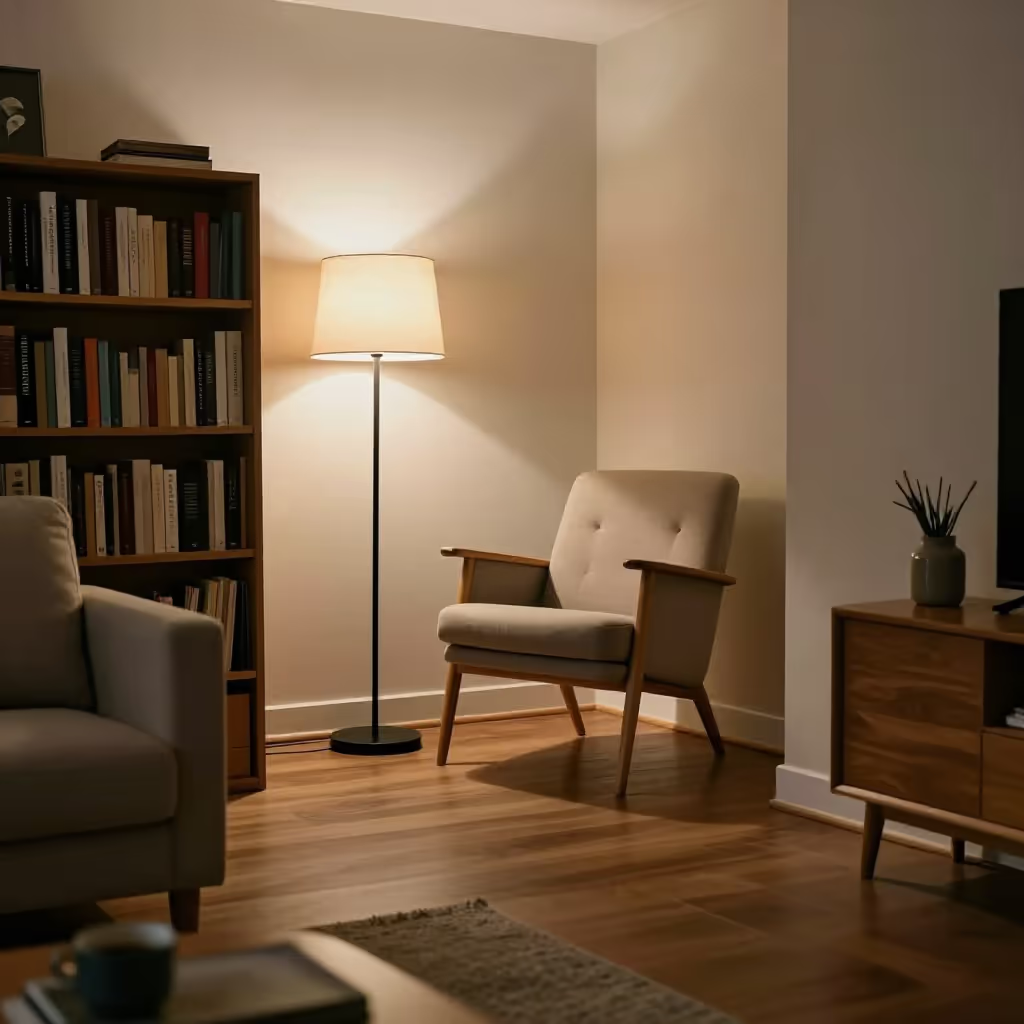
corner
A specific area or angle within a room or a larger space.
In der hinteren Ecke des Zimmers steht ein alter Sessel.
There is an old armchair in the back corner of the room.
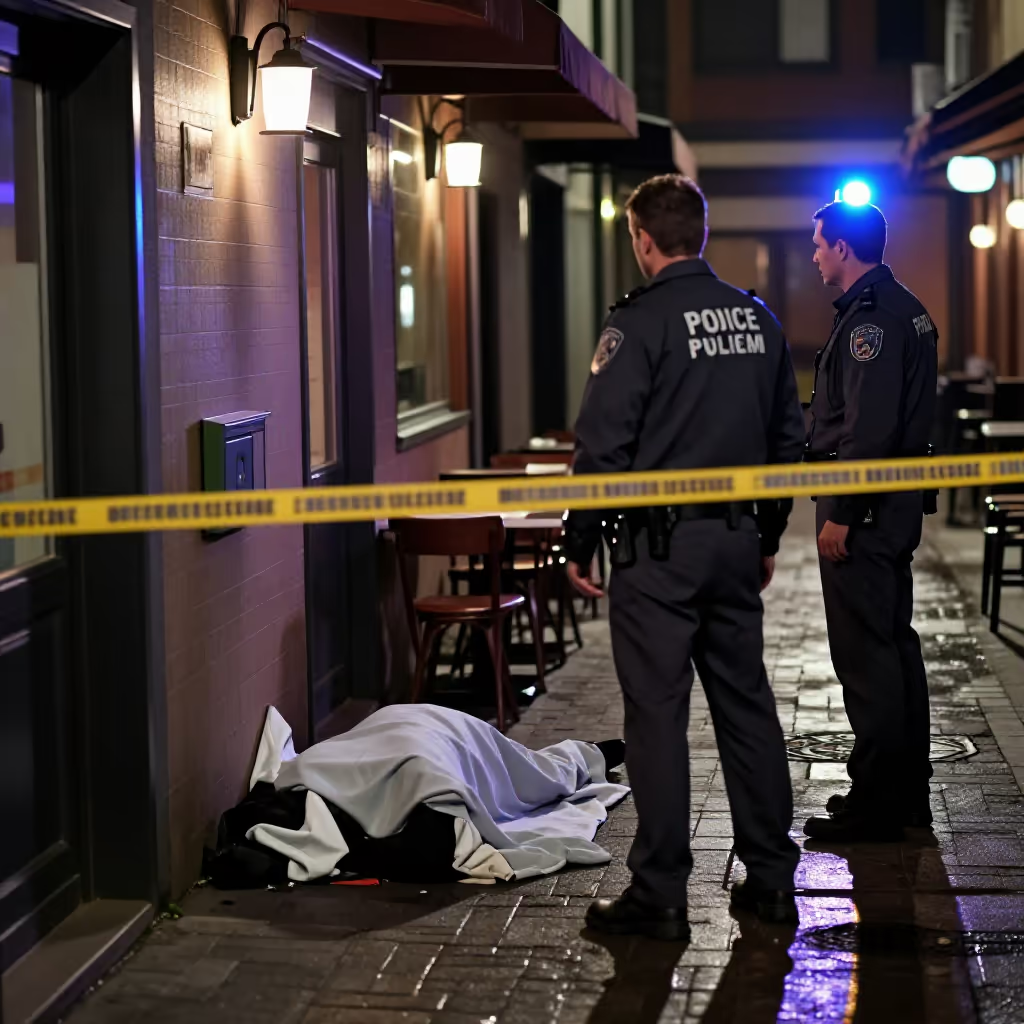
to bump someone off
Colloquial for killing or murdering someone.
Im Krimi wollte der Täter den Zeugen um die Ecke bringen.
In the crime novel, the perpetrator wanted to bump off the witness.
The preposition reveals the location. 'An der Ecke' (at the corner) describes a position on the street (dative). 'In der Ecke' (in the corner) describes a position in a room (dative).
Der Briefkasten befindet sich an der nächsten Ecke.
The mailbox is located at the next corner.
The expression 'um die Ecke' (around the corner) often does not literally mean that you go around a corner, but that something is very close. This is often emphasized with 'gleich' (right) or 'direkt' (directly).
Keine Sorge, der Supermarkt ist gleich um die Ecke.
Don't worry, the supermarket is right around the corner.
The expression 'jemanden um die Ecke bringen' (to bump someone off) is a colloquial and figurative way of saying 'jemanden töten' (to kill someone). The structure is fixed: the subject bringt the accusative object um die Ecke.
Im Film versucht der Bösewicht, den einzigen Zeugen um die Ecke zu bringen.
In the film, the villain tries to bump off the only witness.
When talking about a street corner, typical verbs are 'stehen' (to stand), 'warten' (to wait), or 'sich treffen' (to meet).
Ich warte an der Ecke auf dich.
I'll wait for you at the corner.
area
Both words can refer to an imprecisely defined area in a city or its surroundings. „Die Ecke“ usually suggests a smaller area and is often used colloquially to locate a place, whereas „die Gegend“ refers to the broader surrounding area. „Ecke“ fits a small area, while „Gegend“ is more suitable for a larger one.
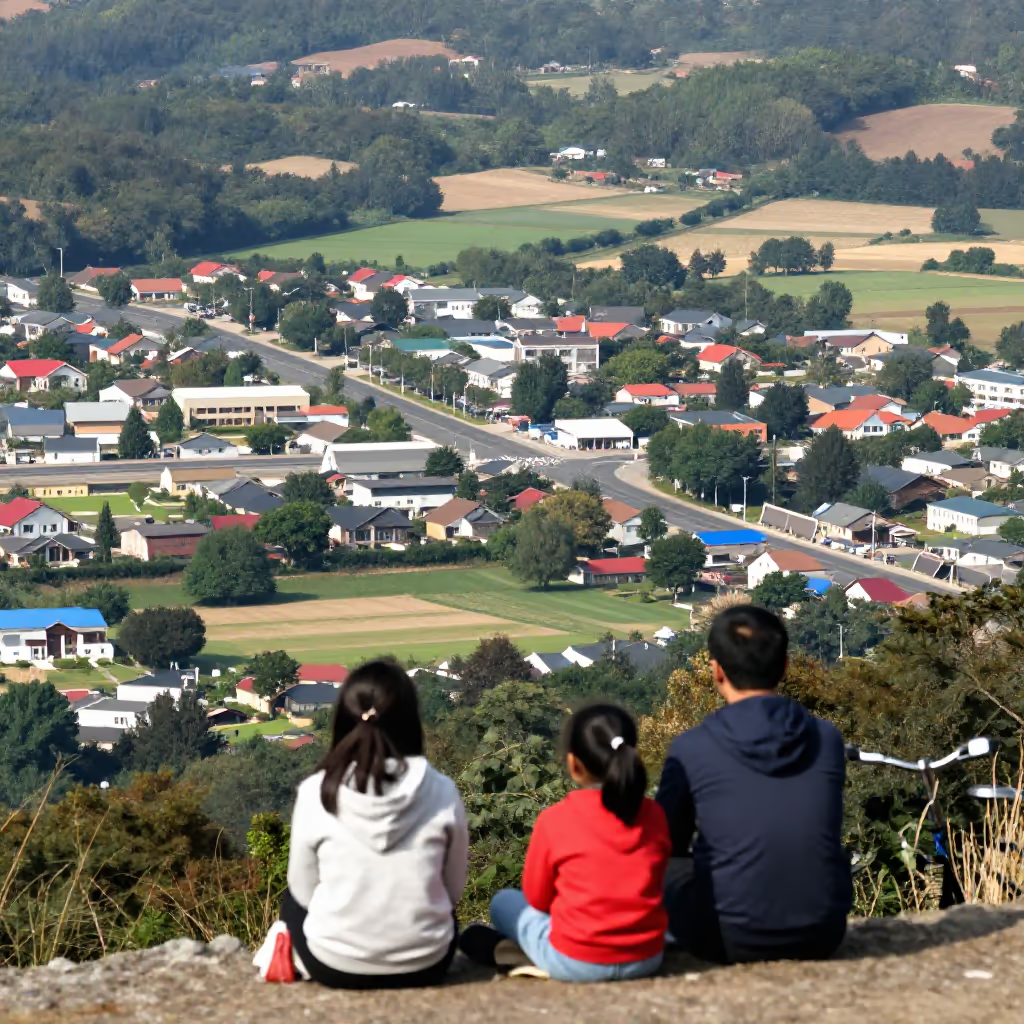
In dieser Ecke der Stadt gibt es viele kleine Cafés.
There are lots of small cafés in this corner of the city.
In dieser Gegend der Stadt gibt es viele kleine Cafés.
There are lots of small cafés in this area of the city.