

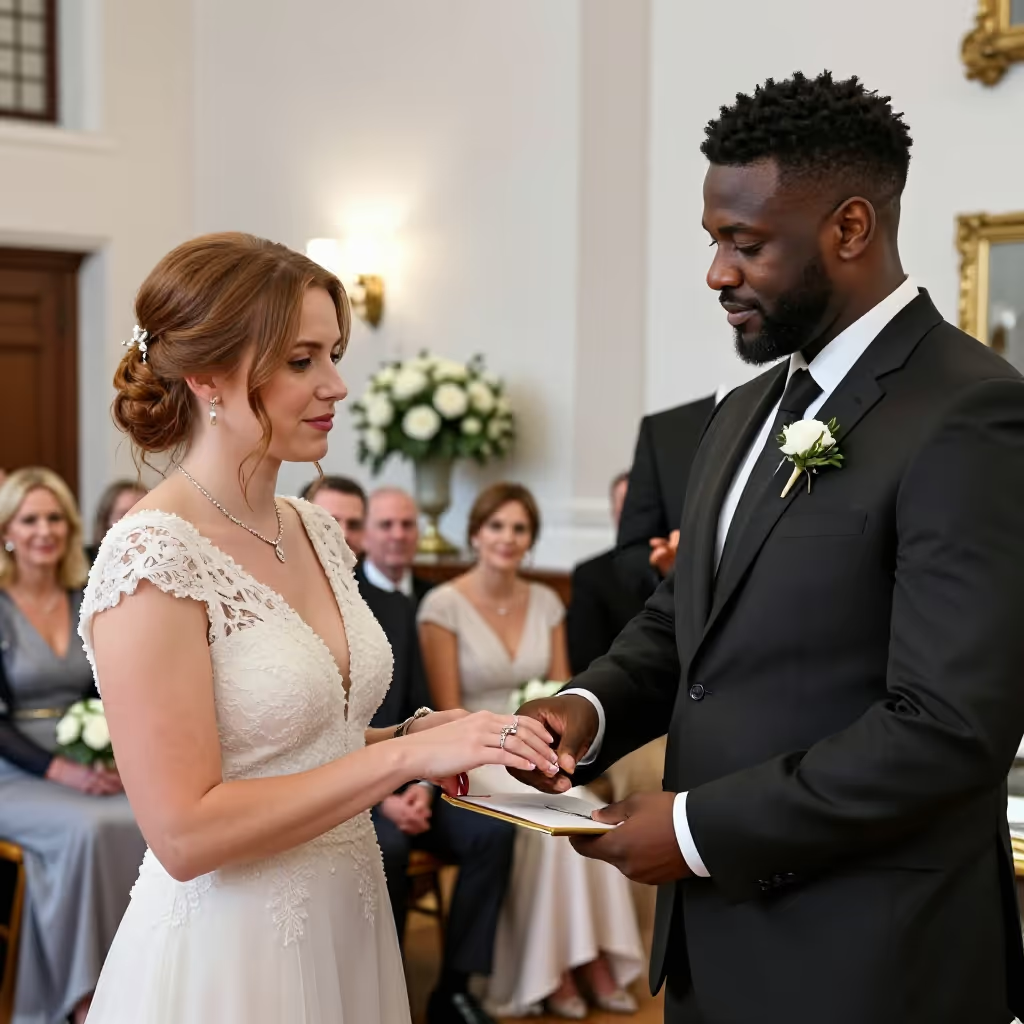
ehelichen
to marry
To marry someone; to enter into a marriage with someone. It is a formal and somewhat old-fashioned expression.
EXAMPLE
Der Prinz wird die Gräfin im Sommer ehelichen.
The prince will marry the countess in the summer.
to marry
Loading your saved state.
to marry
To marry someone; to enter into a marriage with someone. It is a formal and somewhat old-fashioned expression.
Der Prinz wird die Gräfin im Sommer ehelichen.
The prince will marry the countess in the summer.
The verb 'ehelichen' (to marry) belongs to the word family of 'die Ehe' (marriage). It is the direct verbal form for expressing the act of entering into a marriage.
Das Paar wurde vom Bürgermeister persönlich geehelicht.
The couple was married by the mayor personally.
'Ehelichen' (to marry) is a transitive verb and always requires an accusative object. You always marry 'jemanden' (someone).
Der König beabsichtigte, eine Prinzessin aus dem Nachbarland zu ehelichen.
The king intended to marry a princess from the neighboring country.
This word is used almost exclusively in very formal or elevated language. It is often found in historical texts, fairy tales, or official announcements.
In dem Roman ehelicht der Held seine Jugendliebe.
In the novel, the hero marries his childhood sweetheart.
to marry
Heiraten and ehelichen both refer to entering into a marriage. Heiraten is the neutral and usual form today, while ehelichen sounds much more formal and somewhat old-fashioned. For an ordinary message or conversation about a wedding, heiraten is usually the appropriate choice.
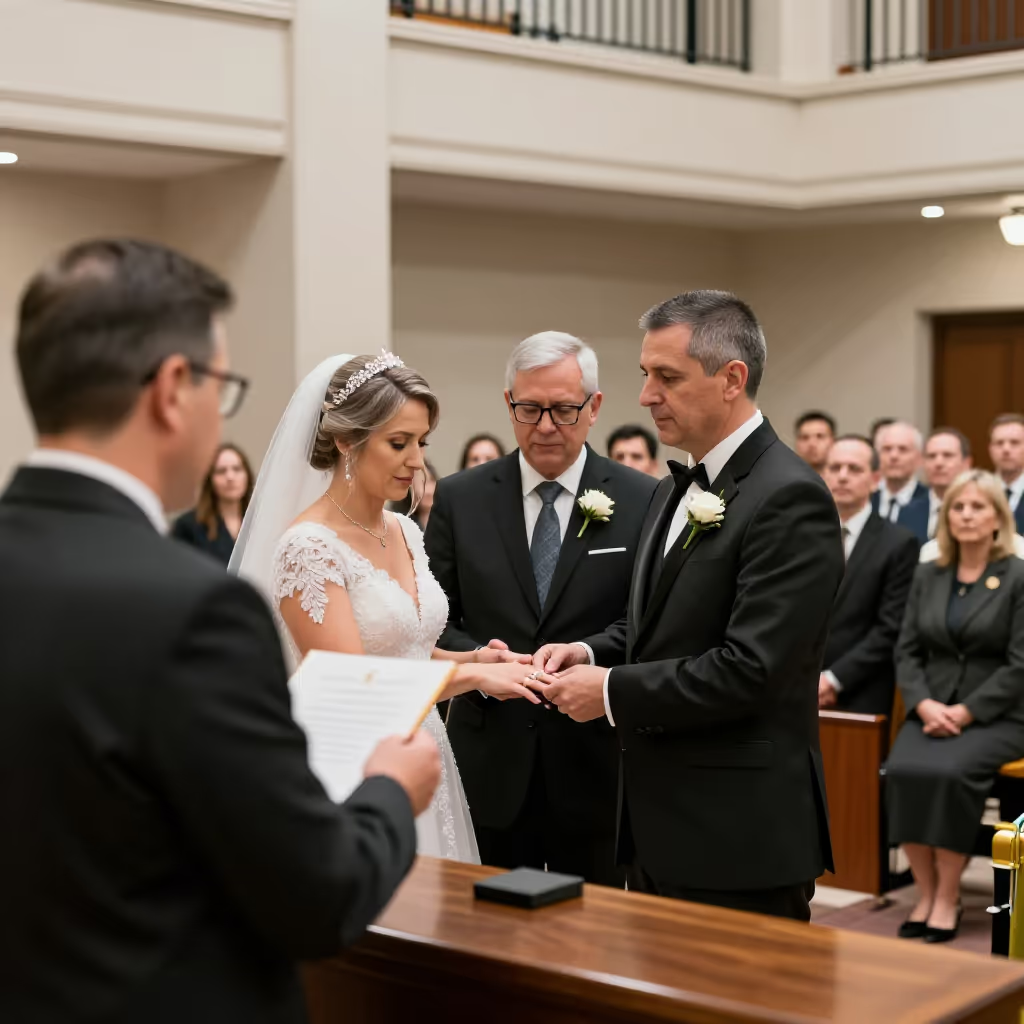
Der Roman erzählt, wie die junge Frau schließlich den reichen Kaufmann ehelicht.
The novel tells how the young woman eventually marries the rich merchant.
Laura und Karim heiraten im Juni und laden ihre Freunde zur Feier ein.
Laura and Karim are getting married in June and are inviting their friends to the celebration.