

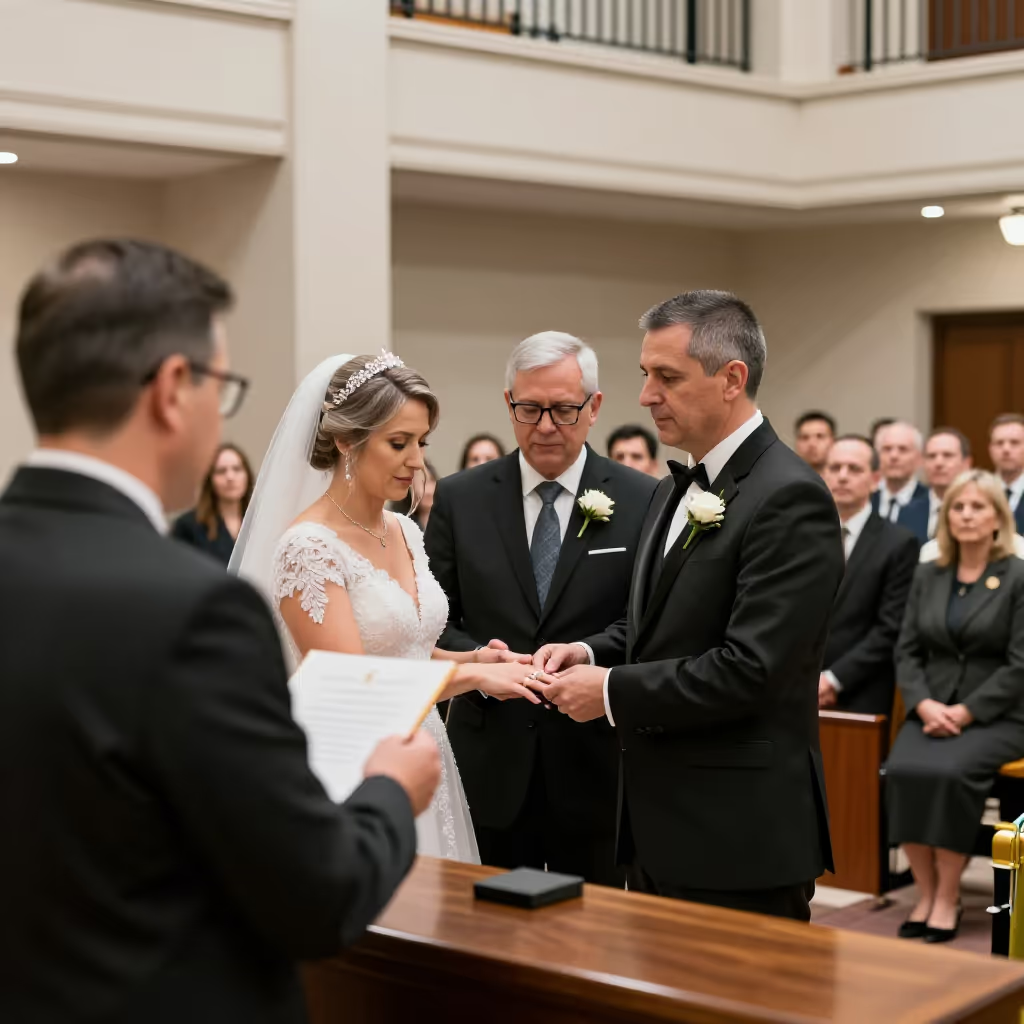
heiraten
to marry
To enter into the bond of marriage with another person. This usually happens through an official ceremony.
EXAMPLE
Meine Schwester heiratet nächsten Sommer ihren Verlobten.
My sister is marrying her fiancé next summer.
to marry
Loading your saved state.
to marry
To enter into the bond of marriage with another person. This usually happens through an official ceremony.
Meine Schwester heiratet nächsten Sommer ihren Verlobten.
My sister is marrying her fiancé next summer.

to get married
Describes the act of entering into marriage from the perspective of the couple. Two people enter into marriage with each other.
Sie haben letztes Jahr im Mai geheiratet.
They got married last May.
The verb 'heiraten' (to marry) takes a direct accusative object when you name the person. A preposition like 'mit' (with) is a common mistake and is not used. You marry someone, not *with* someone.
Er heiratet seine Jugendliebe.
He is marrying his childhood sweetheart.
When talking about the event of the wedding, or when it is clear from context who is getting married, the verb can also be used without an object.
Wir heiraten im Juni.
We are getting married in June.
The perfect tense is always formed with the auxiliary verb 'haben' (to have). The past participle is 'geheiratet' (married).
Sie haben vor zwei Jahren in einer kleinen Kirche geheiratet.
They got married two years ago in a small church.
to marry / to marry off
“Heiraten” normally describes a person entering into a marriage themselves. “Verheiraten” usually means that someone brings another person together with someone else or arranges their marriage; “sich verheiraten” is possible for this meaning, but less common. Use “heiraten” when talking about the couple and “verheiraten” when talking about the person arranging the marriage.
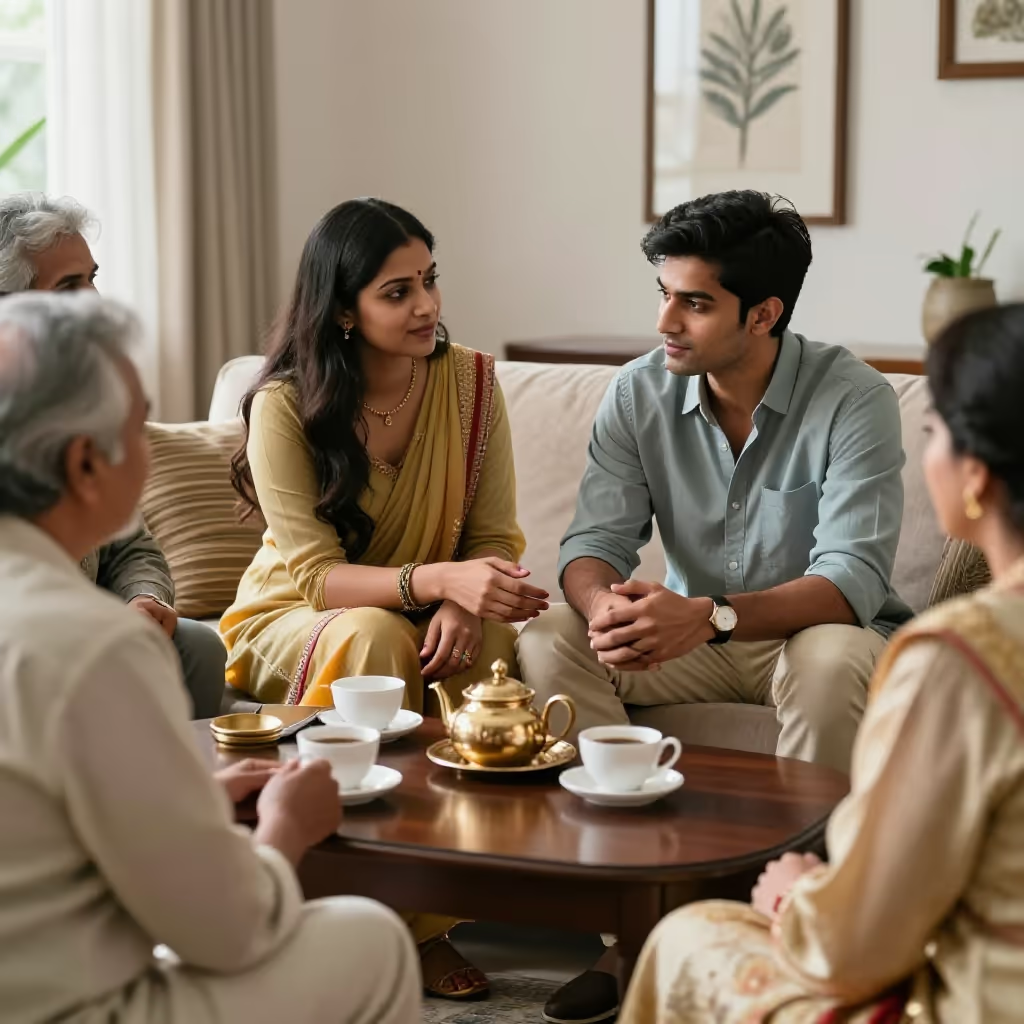
Im Roman heiratete die Tochter einen Mann aus dem Nachbardorf.
In the novel, the daughter married a man from the neighboring village.
Im Roman verheirateten die Eltern ihre Tochter mit einem Mann aus dem Nachbardorf.
In the novel, the parents married their daughter off to a man from the neighboring village.