

eingraben
to bury
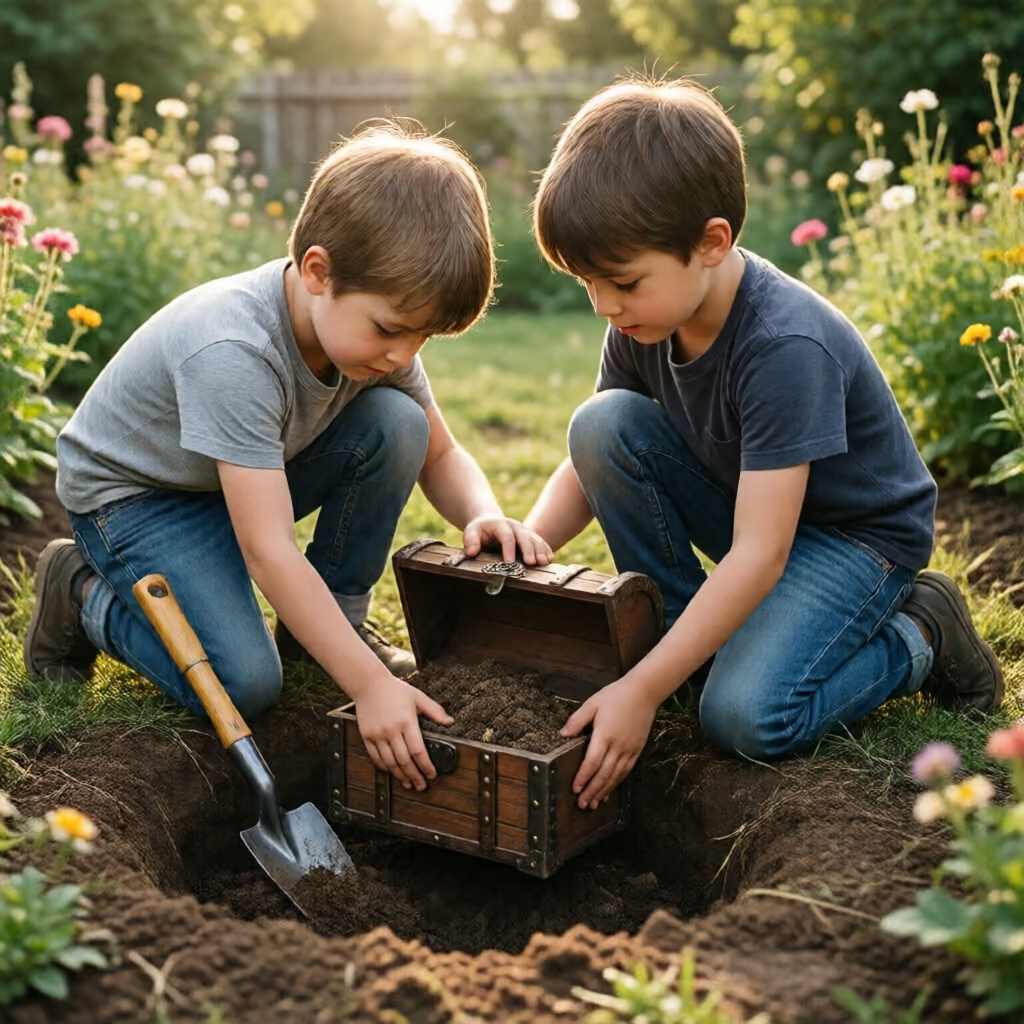
To bury something in the ground and cover it, usually so that it is hidden or can remain there.
EXAMPLE
Die Kinder gruben eine kleine Schatzkiste im Garten ein.
The children buried a small treasure chest in the garden.
to bury / to burrow
eingraben – grub ein – hat eingegraben
Loading your saved state.
to bury
To bury something in the ground and cover it, usually so that it is hidden or can remain there.
Die Kinder gruben eine kleine Schatzkiste im Garten ein.
The children buried a small treasure chest in the garden.
to burrow
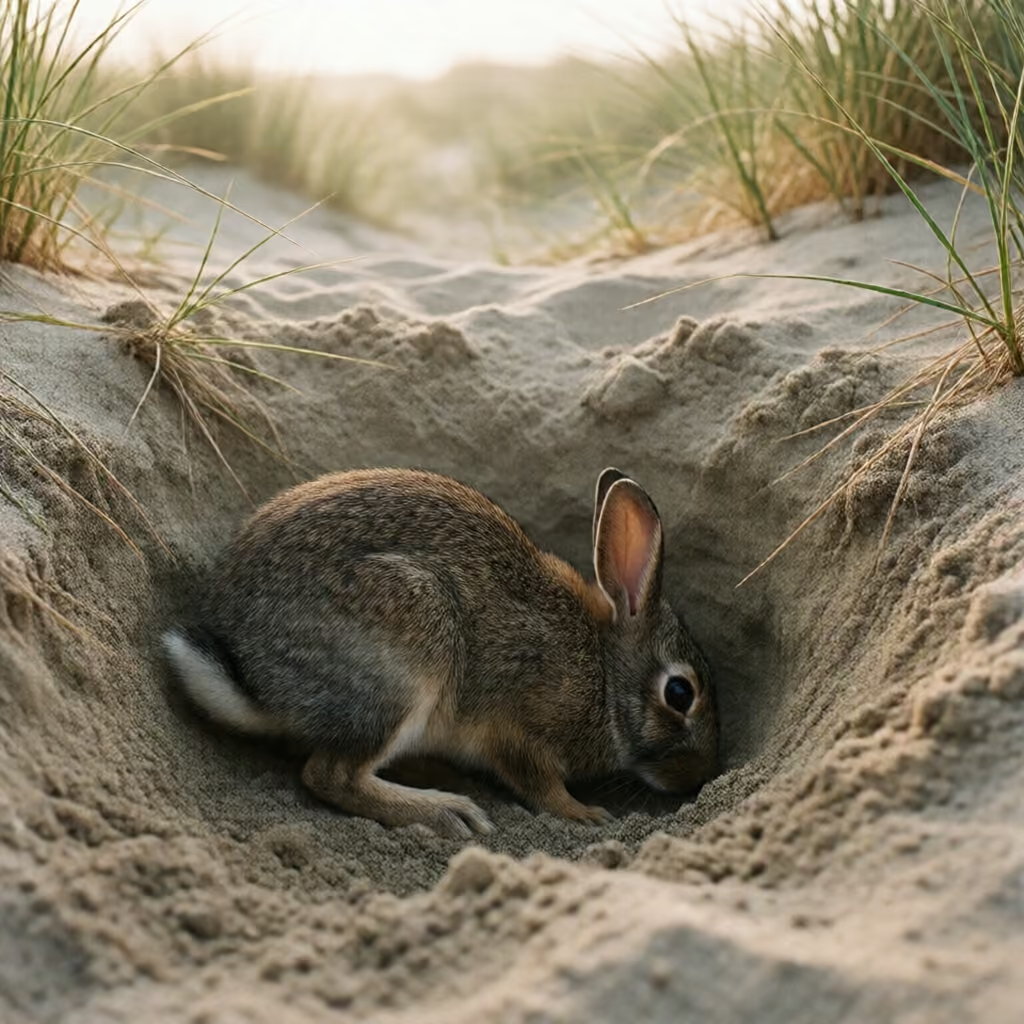
To dig into the ground or a hole and seek shelter there or remain there.
Das Tier grub sich tief im Sand ein.
The animal burrowed deep into the sand.
to entrench oneself
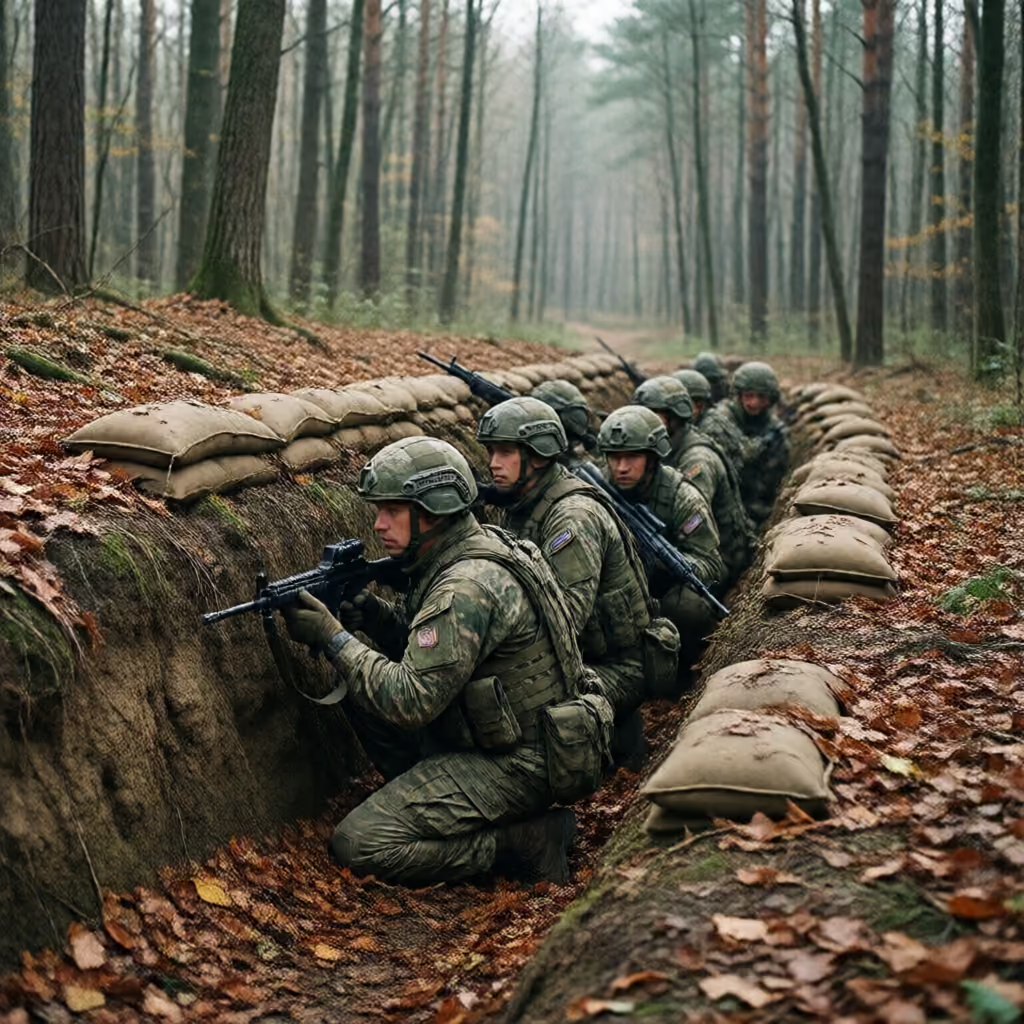
To take up a fortified position in trenches or defensive positions and seek cover there.
Die Truppe hatte sich am Waldrand eingegraben und hielt die Stellung.
The troops had entrenched themselves at the edge of the forest and held their position.

to become deeply imprinted
To become deeply rooted in someone's memory or consciousness and remain in their memory for a long time.
Die Bilder des Unglücks haben sich ins Bewusstsein vieler Menschen eingegraben.
The images of the disaster became deeply imprinted on the minds of many people.
to dig into
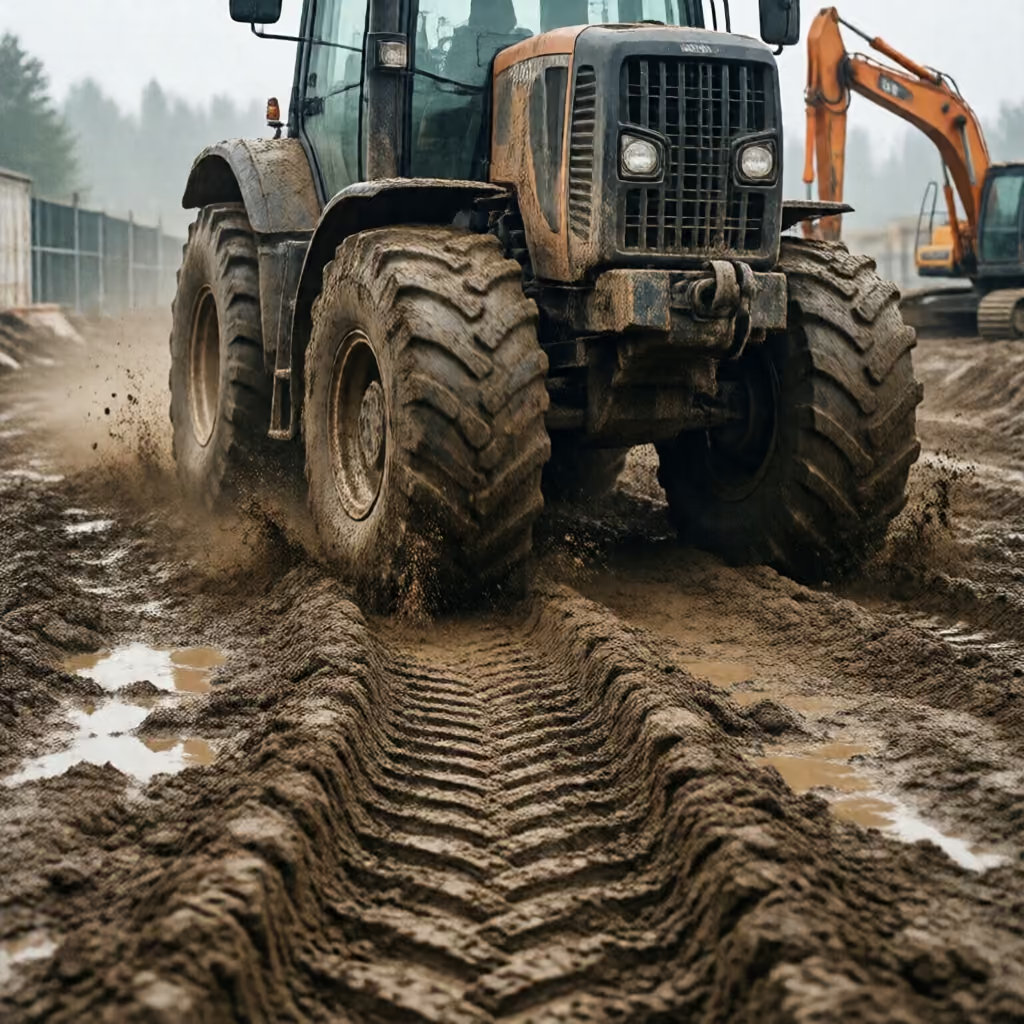
To penetrate deeply into a surface under pressure and leave a mark or indentation there.
Die Reifen des Traktors gruben sich tief in den Schlamm ein.
The tractor tires dug deeply into the mud.
| ich | grabe ein |
|---|---|
| du | gräbst ein |
| er/sie/es | gräbt ein |
| wir | graben ein |
| ihr | grabt ein |
| sie | graben ein |
| ich | grub ein |
|---|---|
| du | grubst ein |
| er/sie/es | grub ein |
| wir | gruben ein |
| ihr | grubt ein |
| sie | gruben ein |
| ich | habe eingegraben |
|---|---|
| du | hast eingegraben |
| er/sie/es | hat eingegraben |
| wir | haben eingegraben |
| ihr | habt eingegraben |
| sie | haben eingegraben |
| du | grab ein! grabe ein! |
|---|---|
| ihr | grabt ein! |
| Sie | graben Sie ein! |
| ich | hatte eingegraben |
|---|---|
| du | hattest eingegraben |
| er/sie/es | hatte eingegraben |
| wir | hatten eingegraben |
| ihr | hattet eingegraben |
| sie | hatten eingegraben |
| ich | werde eingraben |
|---|---|
| du | wirst eingraben |
| er/sie/es | wird eingraben |
| wir | werden eingraben |
| ihr | werdet eingraben |
| sie | werden eingraben |
| ich | grabe ein |
|---|---|
| du | grabest ein |
| er/sie/es | grabe ein |
| wir | graben ein |
| ihr | grabet ein |
| sie | graben ein |
Used for reported speech.
| ich | grübe ein |
|---|---|
| du | grübest ein grübst ein |
| er/sie/es | grübe ein |
| wir | grüben ein |
| ihr | grübet ein grübt ein |
| sie | grüben ein |
Used for wishes and “would”.
| infinitive | eingraben |
|---|---|
| with zu | einzugraben |
| present participle | eingrabend |
| past participle | eingegraben |
'Eingraben' (to bury / to burrow) is a separable verb consisting of 'ein' and 'graben' (to dig). In a main clause, 'ein' appears at the end of the sentence; in a subordinate clause, the verb remains together. In the infinitive with 'zu', 'zu' comes between the prefix and the stem.
Sie gräbt die Blumenzwiebeln im Herbst ein.
She buries the flower bulbs in the fall.
Er weiß, dass die Kinder die Kiste dort eingegraben haben.
He knows that the children buried the box there.
Wir versuchen, den Pfosten sicher einzugraben.
We are trying to bury the post securely.
With an accusative object, 'eingraben' (to bury) describes an action performed on something. With 'sich', the subject buries itself: an animal in the ground, soldiers in their position, or tires in the mud. Figuratively, an experience can also become imprinted in someone's memory.
Der Gärtner gräbt den Pfahl neben dem Zaun ein.
The gardener buries the post next to the fence.
Der Käfer gräbt sich in die Erde ein.
The beetle burrows into the ground.
In the sense of burying something, things such as a box, a treasure, a body, or a post frequently appear as accusative objects with 'eingraben' (to bury). The location is often given with 'in' and a place expression.
Die Arbeiter gruben die Pfähle für den neuen Steg tief in den Boden ein.
The workers buried the posts for the new footbridge deep in the ground.
With reflexive use, the location is often specified with 'in'. Depending on the perspective, this may indicate a direction with the accusative or a location that has already been reached with the dative.
Das Kaninchen grub sich schnell in den weichen Boden ein.
The rabbit quickly burrowed into the soft ground.
Die Schildkröte hatte sich im Sand eingegraben.
The turtle had buried itself in the sand.
In the sense of taking up a defensive position, 'sich eingraben' (to entrench oneself) is often used with military location expressions, especially 'Schützengraben' (trench) or 'Stellung' (position). The expression then describes a defensive position, not simply digging in the earth.
Die Soldaten gruben sich in ihren Stellungen ein und warteten auf den Angriff.
The soldiers entrenched themselves in their positions and waited for the attack.
When referring to memories, 'sich eingraben' (to become deeply imprinted) often appears with 'ins Gedächtnis' (in one's memory) or 'ins Bewusstsein' (in one's consciousness). The expression 'sich tief ins Gedächtnis eingraben' (to become deeply imprinted in one's memory) emphasizes that something will be remembered for a particularly long time.
Der Klang dieses Liedes hat sich tief in ihr Gedächtnis eingegraben.
The sound of this song became deeply imprinted in her memory.