

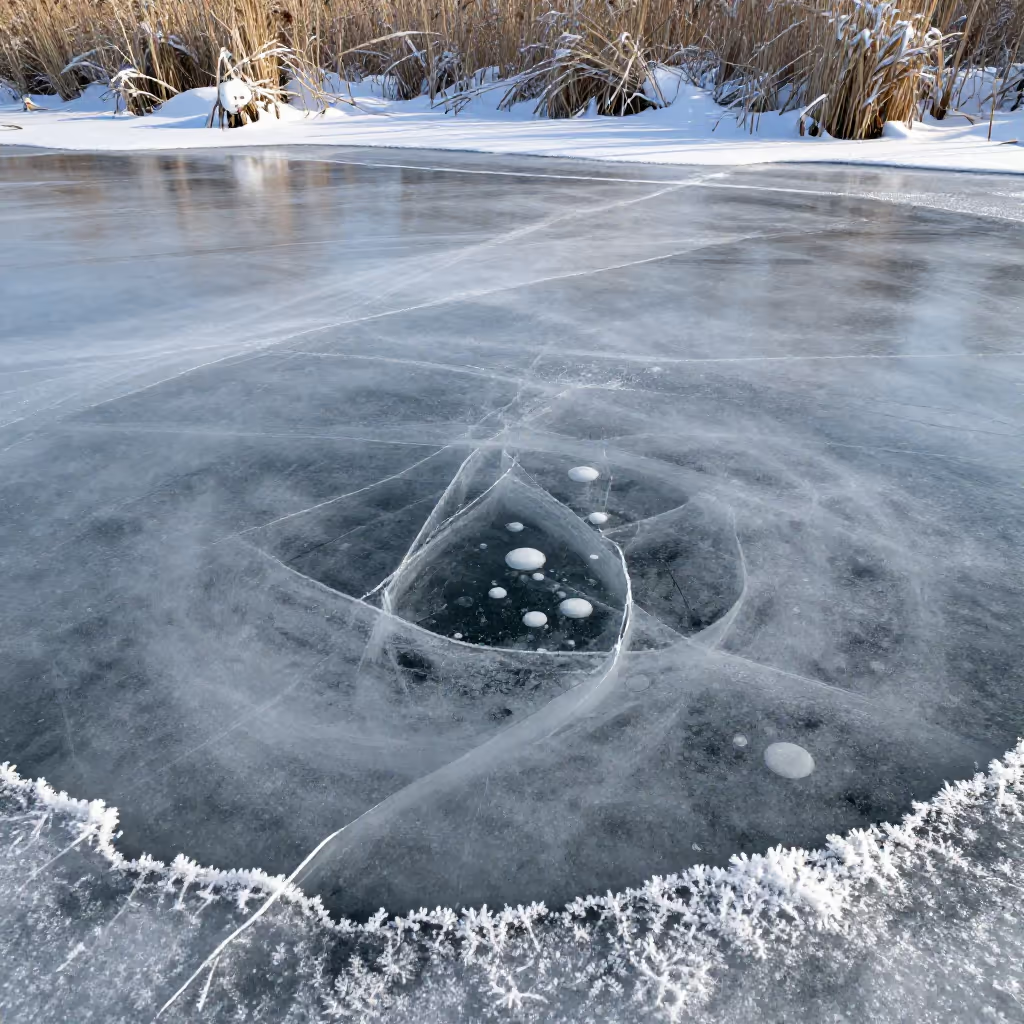
das Eis
ice
Frozen water in its solid state.
EXAMPLE
Vorsicht, auf der Straße ist Glatteis!
Careful, there is black ice on the road!
ice / ice cream
Loading your saved state.
ice
Frozen water in its solid state.
Vorsicht, auf der Straße ist Glatteis!
Careful, there is black ice on the road!
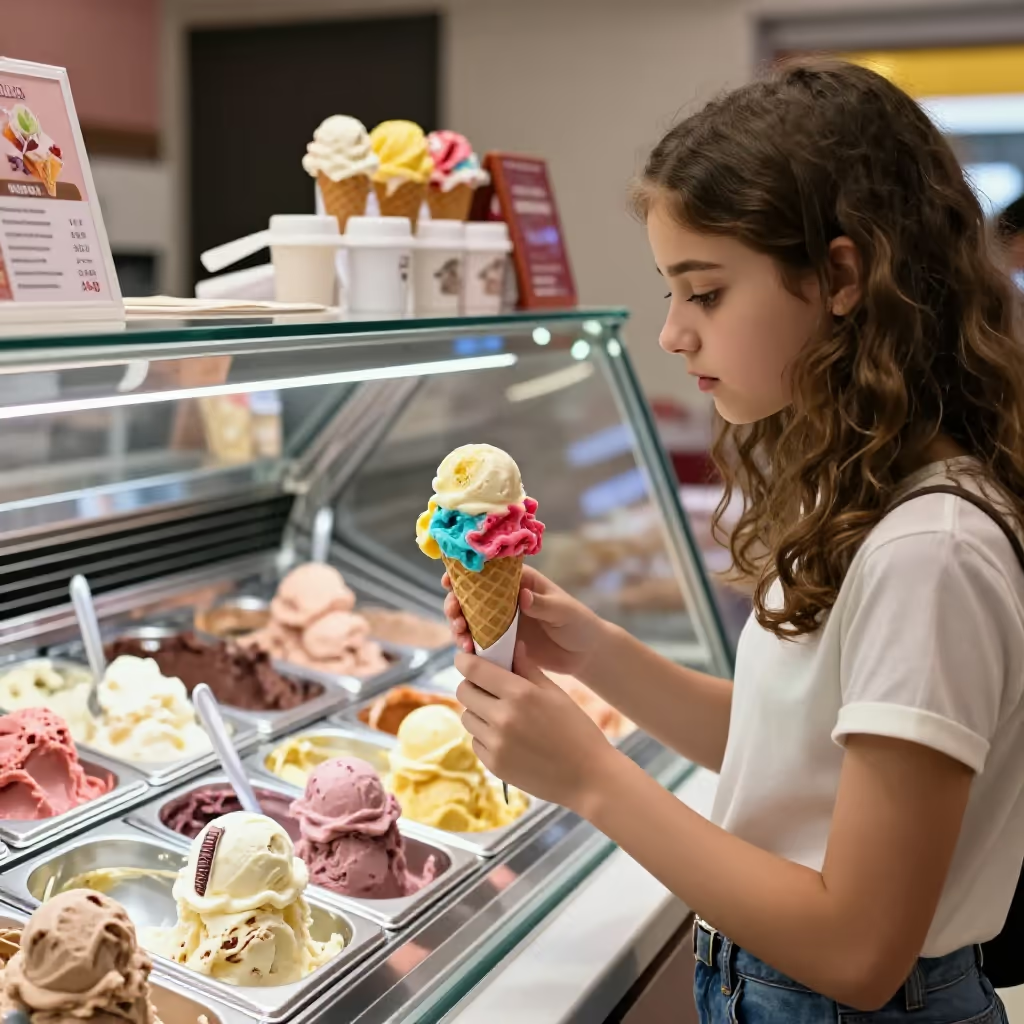
ice cream
A frozen sweet food made from water, milk, or cream and sugar, along with flavoring ingredients; ice cream.
Im Sommer esse ich am liebsten ein großes Schokoladeneis.
In summer, I like eating a big chocolate ice cream best.

to break the ice
A fixed expression meaning to overcome the initial reserve or silence in a social situation and create a relaxed atmosphere.
Mit einem kleinen Witz gelang es ihm, das Eis zwischen den Gästen zu brechen.
With a little joke, he managed to break the ice among the guests.
You can tell from the context whether frozen water or a sweet food is meant. Words like 'glatt' (slippery/smooth), 'Winter' (winter), or 'schmelzen' (to melt) point to frozen water, while 'essen' (to eat), 'Kugel' (scoop), or 'Schokolade' (chocolate) point to ice cream.
Im Winter bildet sich auf dem See eine dicke Schicht Eis.
In winter, a thick layer of ice forms on the lake.
When you mean ice cream, it is often combined with verbs like 'essen' (to eat) or 'bestellen' (to order). Quantities are often described with 'eine Kugel Eis' (a scoop of ice cream) or 'ein Eis am Stiel' (an ice pop/popsicle).
Möchtest du auch eine Kugel Eis?
Would you like a scoop of ice cream too?
In the fixed expression 'das Eis brechen' (to break the ice), 'das Eis' is the accusative object. The subject of the sentence is the person or action that creates a relaxed atmosphere.
Seine freundliche Frage half, das Eis zu brechen.
His friendly question helped break the ice.
ice cube
Eis and Eiswürfel can both be used to cool a drink. Eis refers to cooling in general or to ice as a whole, whereas an Eiswürfel is a single countable piece of frozen water. Use Eis for the quantity as a whole and Eiswürfel when you mean individual pieces.
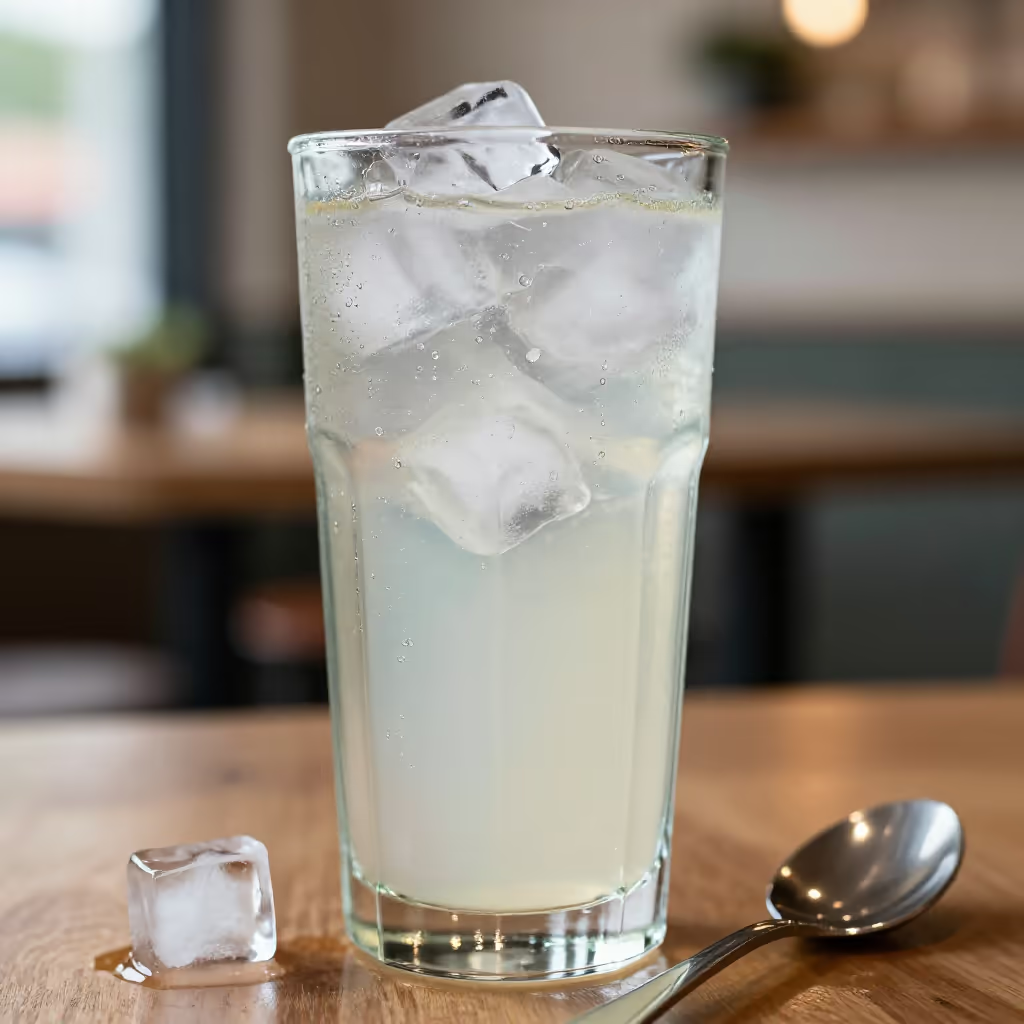
Bitte geben Sie etwas Eis in meinen Saft, damit er schön kalt bleibt.
Please put some ice in my juice so it stays nice and cold.
Bitte geben Sie zwei Eiswürfel in meinen Saft, damit er schön kalt bleibt.
Please put two ice cubes in my juice so it stays nice and cold.