

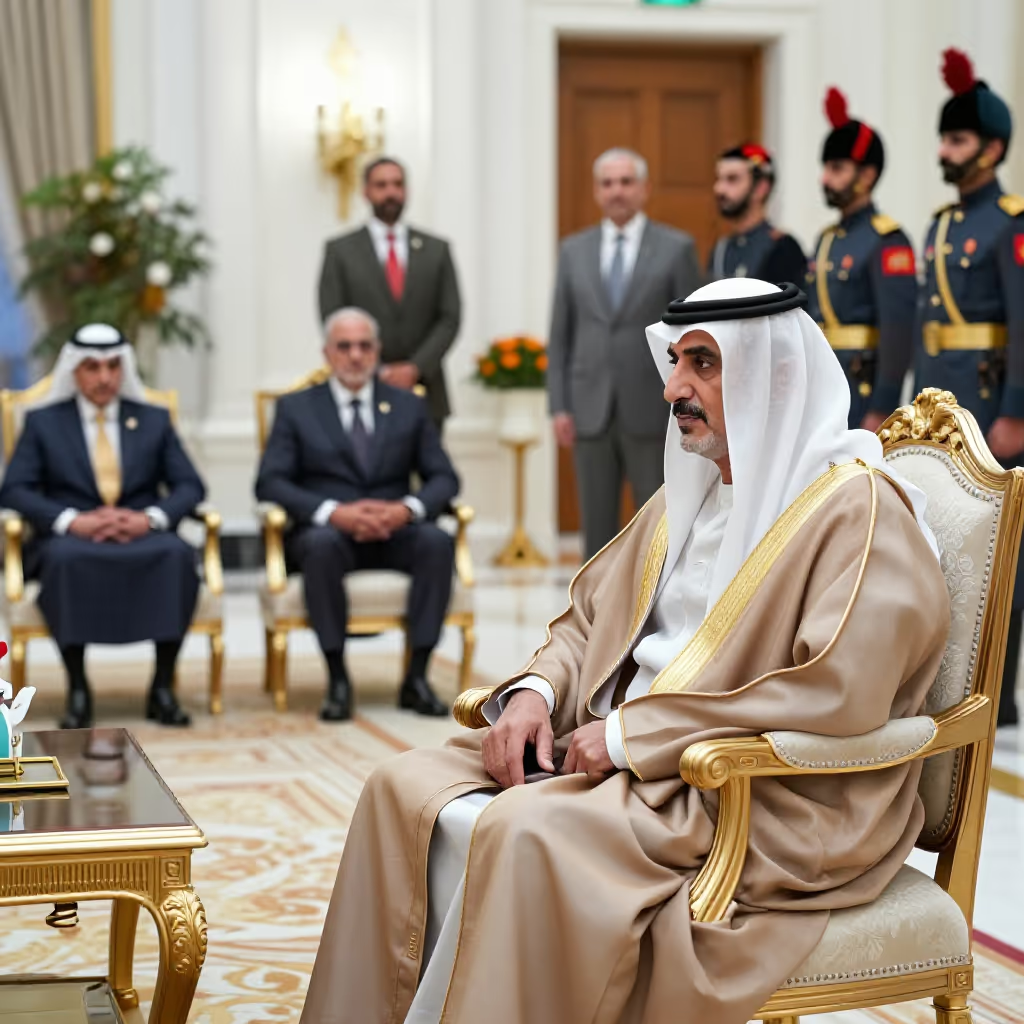
The title of a monarchical ruler or high-ranking noble in some Islamic countries, especially on the Arabian Peninsula.
example
Der Emir von Kuwait empfing die ausländische Delegation in seinem Palast.
The Emir of Kuwait received the foreign delegation in his palace.
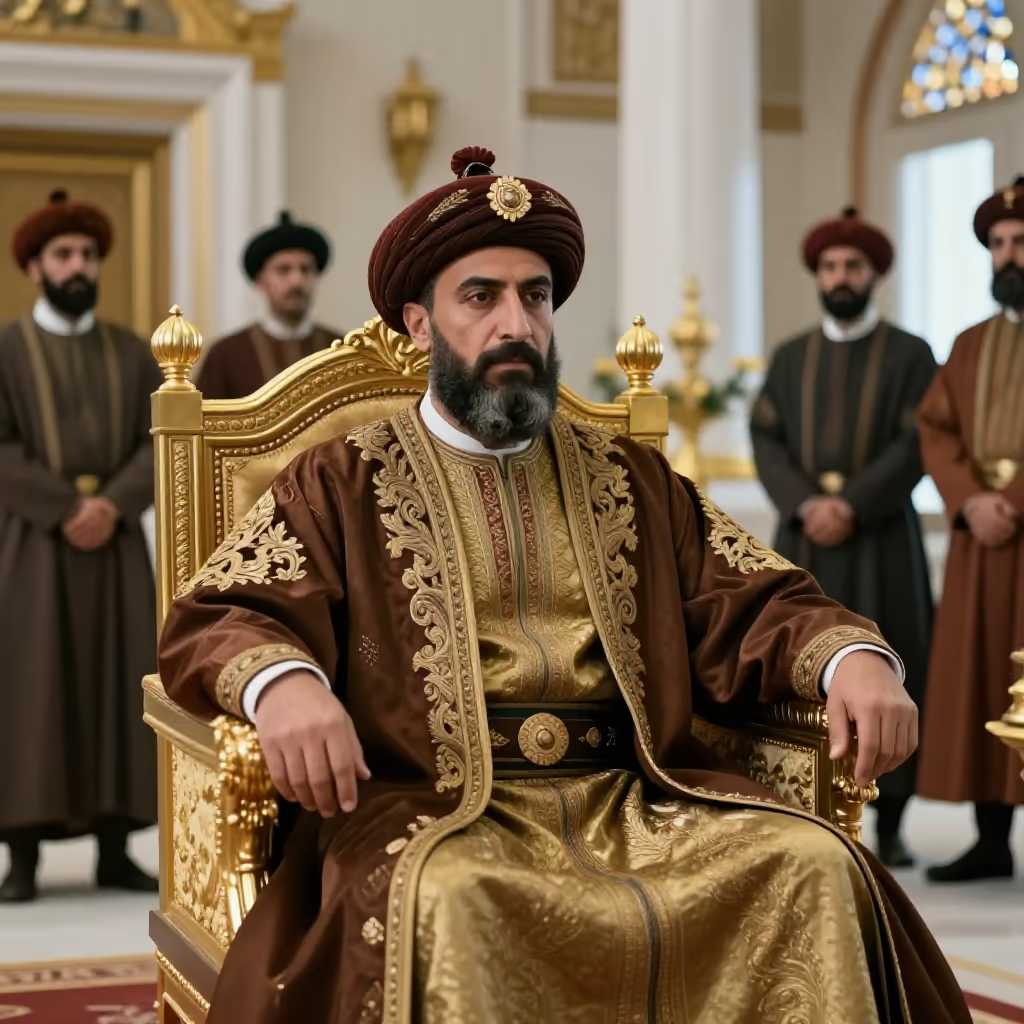
Usage tips
Origin of the word
The word 'Emir' (emir) comes from Arabic (amīr) and means 'commander' or 'prince'. In German, it is used as a title for certain rulers in the Islamic world.
EXAMPLE
Der Emir ist das Staatsoberhaupt des Landes.
The emir is the head of state of the country.
Use as a title
The title 'Emir' (emir) is used like a name or form of address and often comes directly before the ruler's name or in connection with the country he rules.
EXAMPLE
Der Emir von Katar wird morgen erwartet.
The Emir of Qatar is expected tomorrow.
Typical collocations
Common verbs used in connection with an emir as head of state are 'regieren' (to rule), 'empfangen' (to receive), and 'besuchen' (to visit).
EXAMPLE
Der Emir regiert das Land seit über zwanzig Jahren.
The emir has ruled the country for over twenty years.
Compare with
near_synonym · confusable
Emir vs König
king
'der König' and 'der Emir' can both refer to a monarchical ruler. 'König' is the general German term for a male ruler in a monarchy. 'Emir' is a specific title in some Islamic countries, especially in the Arab world, and can also refer to a very high-ranking noble. The words can be confused because both have to do with rule and nobility. If the official title is 'Emir', you should say 'Emir'. For monarchs in general or European kingdoms, 'König' is more natural.
Emir
In der Nachricht spricht man über den Besuch des Emirs in der Hauptstadt.
In the news, they talk about the emir's visit to the capital.
König
Heute besucht das Team das alte Schloss des Königs.
Today the team is visiting the old castle of the king.