

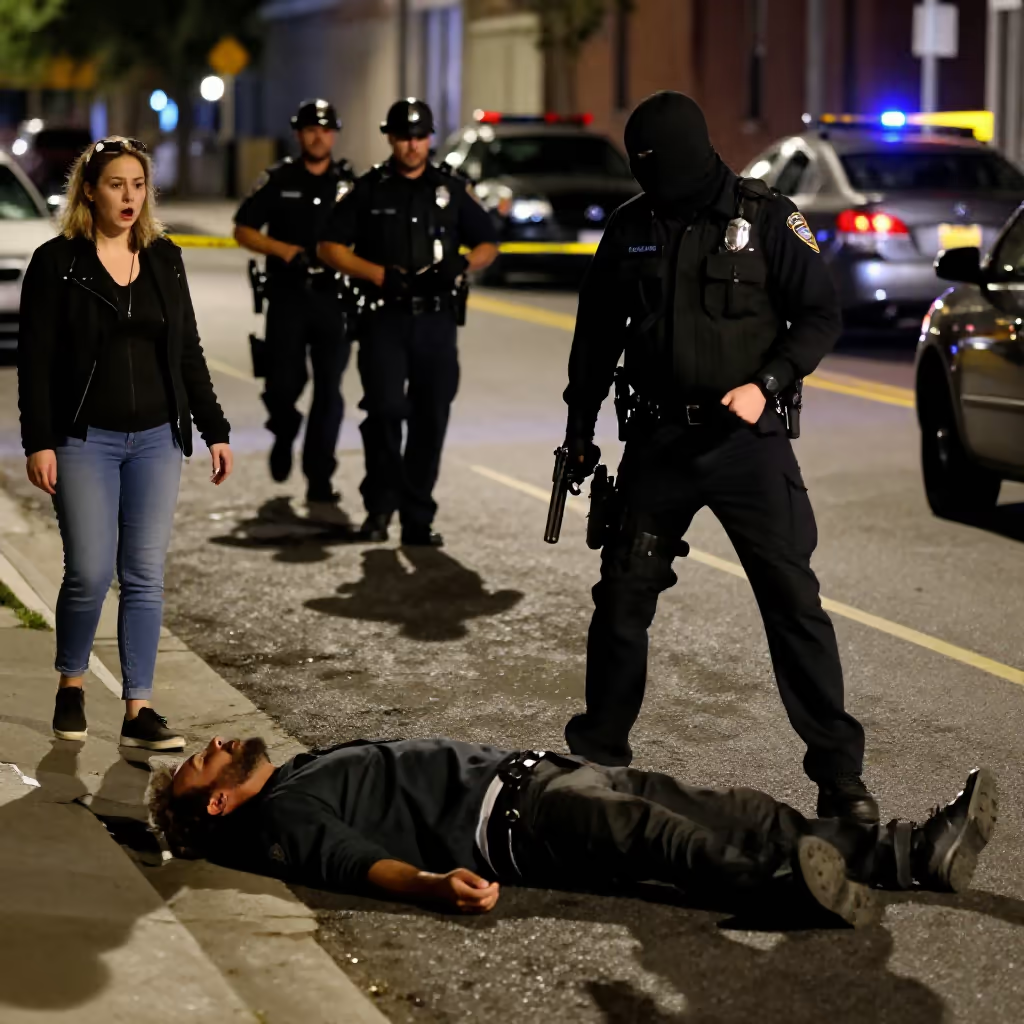
erschießen
to shoot dead
To kill someone by firing a gun.
EXAMPLE
Der Einbrecher wurde auf der Flucht von der Polizei erschossen.
The burglar was shot dead by the police while fleeing.
to shoot dead
Loading your saved state.
to shoot dead
To kill someone by firing a gun.
Der Einbrecher wurde auf der Flucht von der Polizei erschossen.
The burglar was shot dead by the police while fleeing.
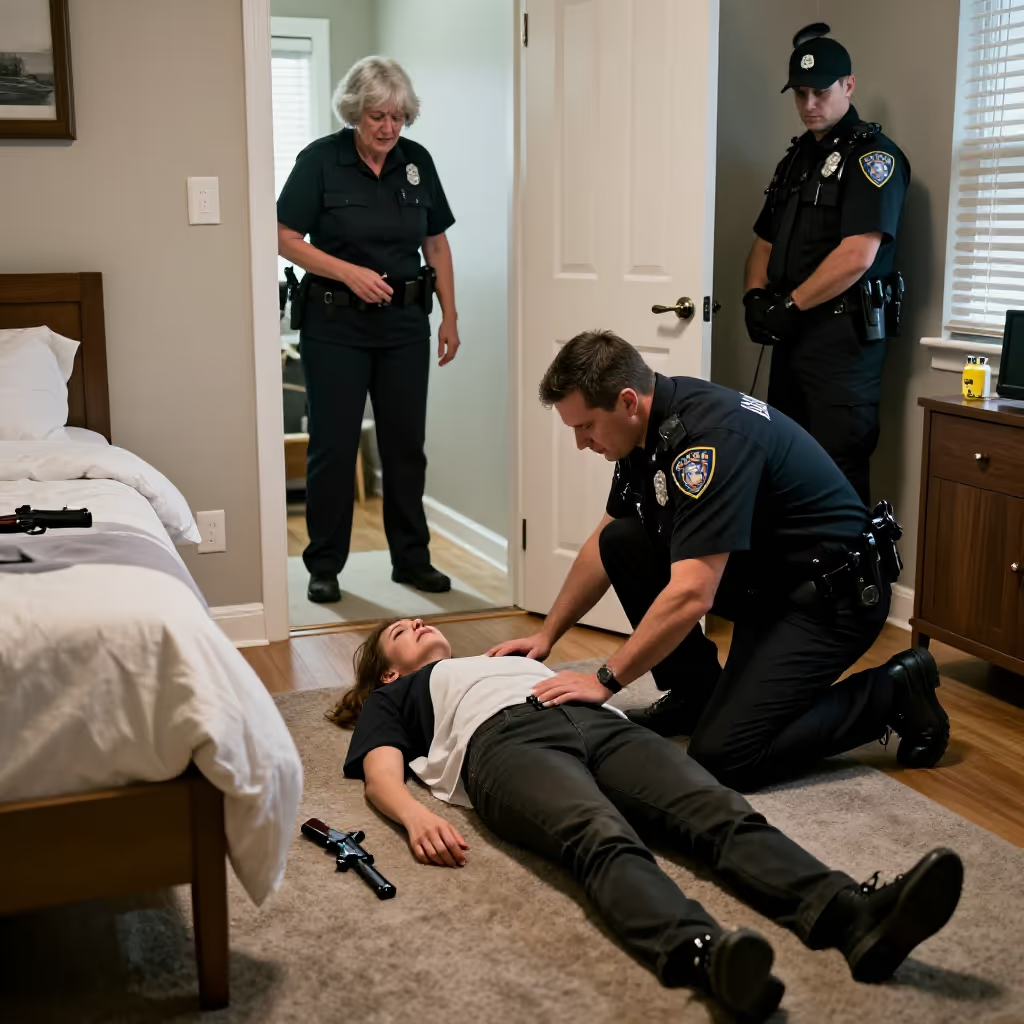
to shoot oneself
To commit suicide by killing oneself with a gun.
Er drohte in seiner Verzweiflung damit, sich zu erschießen.
In his despair, he threatened to shoot himself.
The prefix 'er-' often indicates the final, often fatal result of an action. While 'schießen' only means 'to shoot', 'erschießen' always means 'to shoot dead'.
Der Jäger schoss auf den Hirsch, aber er traf ihn nicht.
The hunter shot at the deer, but he didn't hit it.
Verbs with the prefix 'er-' are inseparable. This means the prefix always stays attached to the verb in all sentence forms and tenses.
Man fand heraus, dass der Mann erschossen wurde.
It was discovered that the man had been shot dead.
The structure of the sentence shows who the victim is. 'Jemanden erschießen' (to shoot someone dead) is transitive and means to kill another person. 'Sich erschießen' (to shoot oneself) is reflexive and means to kill oneself.
Die Polizei erschoss den Angreifer in Notwehr.
The police shot the attacker dead in self-defense.
to shoot
Schießen refers to firing a shot and does not by itself mean that the person hit dies; the target usually follows it with auf. Erschießen, by contrast, means killing someone with a shot and is used directly with the person who is killed.
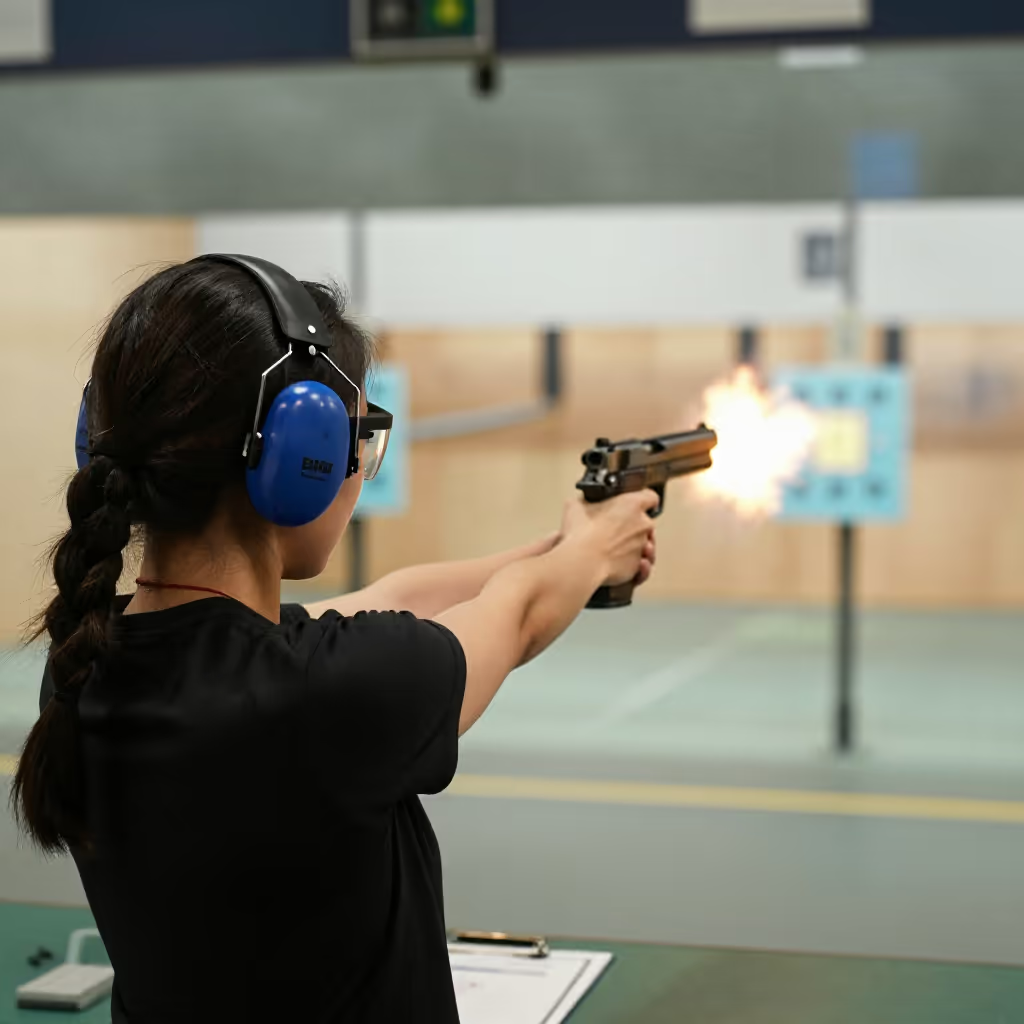
Der Täter erschoss den Wachmann mit einem gezielten Schuss.
The perpetrator shot the security guard dead with a carefully aimed shot.
Der Täter schoss auf den Wachmann, doch dieser überlebte verletzt.
The perpetrator shot at the security guard, but he survived with injuries.