

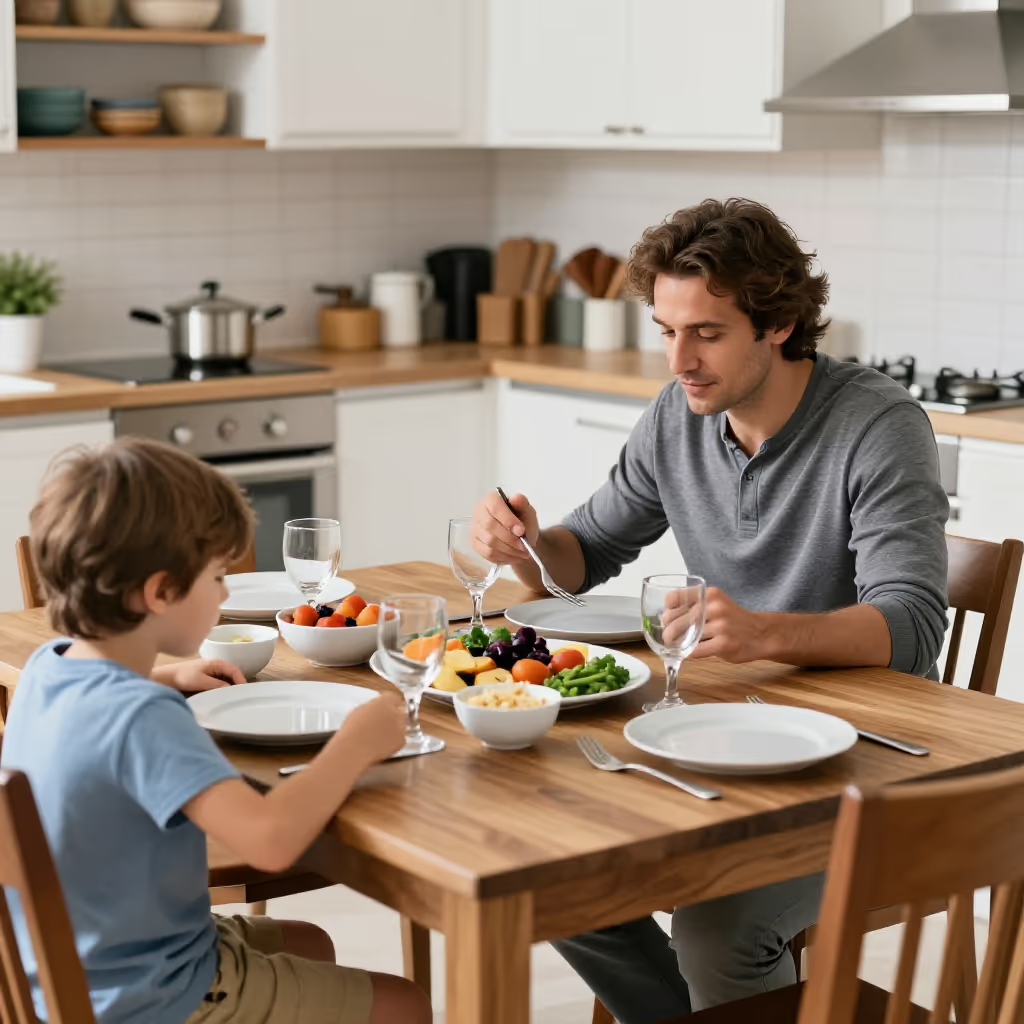
A table specifically intended for eating meals at. It is typically located in the dining room or kitchen.
example
Die ganze Familie versammelt sich jeden Abend zum Abendessen am großen Esstisch.
The whole family gathers every evening for dinner at the large dining table.
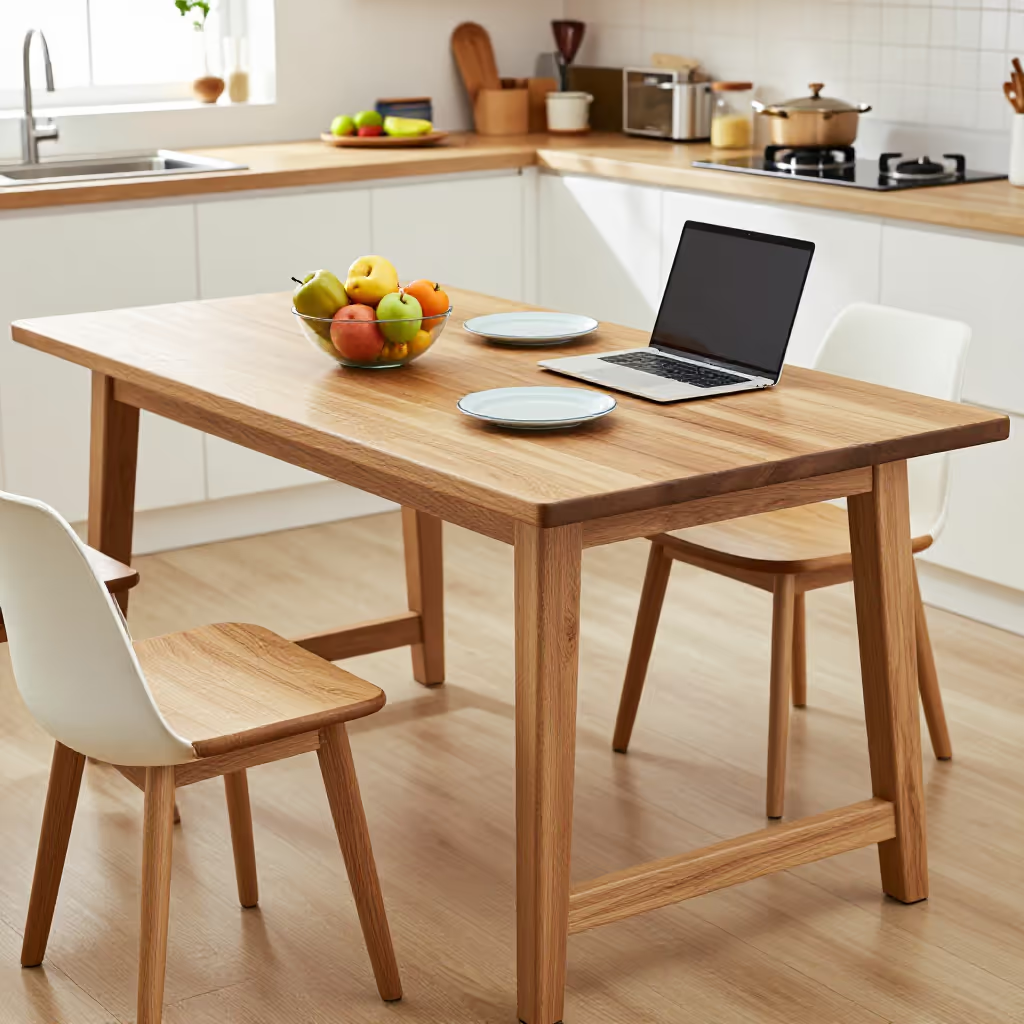
Usage tips
Compound structure
The word is a simple compound made from the verb 'essen' (to eat) and the noun 'der Tisch' (the table). So it is literally a table at which one eats.
EXAMPLE
Zum Frühstück treffen wir uns immer am Esstisch.
We always meet at the dining table for breakfast.
Correct preposition
The prepositions are important: you sit 'am Esstisch' (at the dining table; position, dative), but you sit down 'an den Esstisch' (to the dining table; movement, accusative).
EXAMPLE
Die Kinder sitzen schon am Esstisch und warten.
The children are already sitting at the dining table and waiting.
Typical verbs
In everyday life, 'Esstisch' (dining table) is often used with the verbs 'decken' (to set, as in putting out cutlery, plates, etc.) and 'abräumen' (to clear everything away again).
EXAMPLE
Kannst du bitte schon mal den Esstisch decken?
Could you please set the dining table already?
Compare with
near_synonym · confusable
Esstisch vs Tisch
table
'der Tisch' and 'der Esstisch' both refer to a piece of furniture with a top. 'der Tisch' is the general word and can be a desk, kitchen table, garden table, or another kind of table. 'der Esstisch' is more specific: it is where people eat, usually in the kitchen or dining room. The words can be confused because a dining table is, of course, also a table. If the function is not important, 'Tisch' is enough. If you want to make clear that it is the place for eating, 'Esstisch' is more natural.
Esstisch
Am Sonntag sitzt die ganze Familie lange am Esstisch.
On Sunday, the whole family sits at the dining table for a long time.
Tisch
Auf dem Tisch liegen Bücher, Schlüssel und eine Tasse Kaffee.
There are books, keys, and a cup of coffee on the table.