


extrahieren
to extract
To remove a substance from a mixture using a suitable solvent.
EXAMPLE
Im Labor wird der Farbstoff mit Ethanol aus den Blättern extrahiert.
In the laboratory, the pigment is extracted from the leaves using ethanol.
to extract
extrahieren – extrahierte – hat extrahiert
Loading your saved state.
to extract
To remove a substance from a mixture using a suitable solvent.
Im Labor wird der Farbstoff mit Ethanol aus den Blättern extrahiert.
In the laboratory, the pigment is extracted from the leaves using ethanol.

to extract
To selectively retrieve specific information or data from a larger quantity and make it available for further use.
Das Programm extrahiert alle E-Mail-Adressen aus dem Dokument.
The program extracts all the email addresses from the document.
to extract
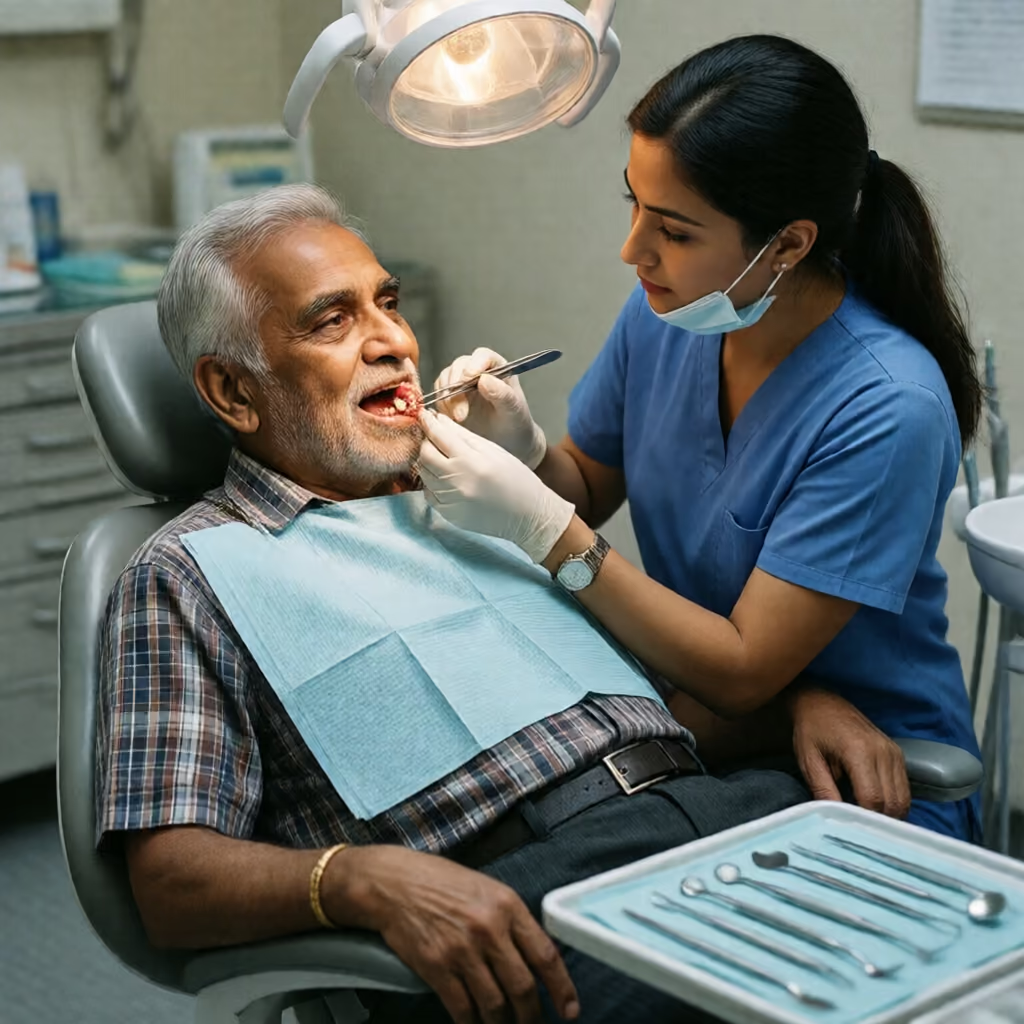
In medicine: to remove a tooth, foreign object, or other part of the body through a medical procedure.
Die Zahnärztin musste den stark beschädigten Backenzahn extrahieren.
The dentist had to extract the severely damaged molar.
| ich | extrahiere |
|---|---|
| du | extrahierst |
| er/sie/es | extrahiert |
| wir | extrahieren |
| ihr | extrahiert |
| sie | extrahieren |
| ich | extrahierte |
|---|---|
| du | extrahiertest |
| er/sie/es | extrahierte |
| wir | extrahierten |
| ihr | extrahiertet |
| sie | extrahierten |
| ich | habe extrahiert |
|---|---|
| du | hast extrahiert |
| er/sie/es | hat extrahiert |
| wir | haben extrahiert |
| ihr | habt extrahiert |
| sie | haben extrahiert |
| du | extrahiere! extrahier! |
|---|---|
| ihr | extrahiert! |
| Sie | extrahieren Sie! |
| ich | hatte extrahiert |
|---|---|
| du | hattest extrahiert |
| er/sie/es | hatte extrahiert |
| wir | hatten extrahiert |
| ihr | hattet extrahiert |
| sie | hatten extrahiert |
| ich | werde extrahieren |
|---|---|
| du | wirst extrahieren |
| er/sie/es | wird extrahieren |
| wir | werden extrahieren |
| ihr | werdet extrahieren |
| sie | werden extrahieren |
| ich | extrahiere |
|---|---|
| du | extrahierest |
| er/sie/es | extrahiere |
| wir | extrahieren |
| ihr | extrahieret |
| sie | extrahieren |
Used for reported speech.
| ich | extrahierte |
|---|---|
| du | extrahiertest |
| er/sie/es | extrahierte |
| wir | extrahierten |
| ihr | extrahiertet |
| sie | extrahierten |
Used for wishes and “would”.
| infinitive | extrahieren |
|---|---|
| with zu | zu extrahieren |
| present participle | extrahierend |
| past participle | extrahiert |
'Extrahieren' (to extract) is used mainly in technical language and occurs especially in scientific, technical, and medical texts. The verb is often used with a precisely specified thing as its accusative object.
Die Forscher extrahieren den Wirkstoff unter kontrollierten Bedingungen.
The researchers extract the active ingredient under controlled conditions.
In chemistry, 'extrahieren' (to extract) is often used with 'aus' (from) and a source material, as well as with 'mit' (using/with) and the solvent being used. The source material follows 'aus', while the solvent follows 'mit'.
Die Chemiker extrahieren das Öl aus den Samen mit einem organischen Lösungsmittel.
The chemists extract the oil from the seeds using an organic solvent.
When referring to information and data, 'extrahieren' (to extract) often describes an automated or systematic process. Typical complements include Daten (data), Informationen (information), Textstellen (passages), or Tabellenwerte (table values) from a file, document, or database.
Die Software extrahiert die relevanten Textstellen aus mehreren Berichten.
The software extracts the relevant passages from several reports.
In medical texts, 'extrahieren' (to extract) is often used with Zahn (tooth), Wurzel (root), Fremdkörper (foreign object), or Gewebe (tissue) as the accusative object. The procedure is often described in more detail with a location introduced by 'aus' (from).
Der Chirurg extrahierte den Fremdkörper aus dem Gewebe.
The surgeon extracted the foreign object from the tissue.