

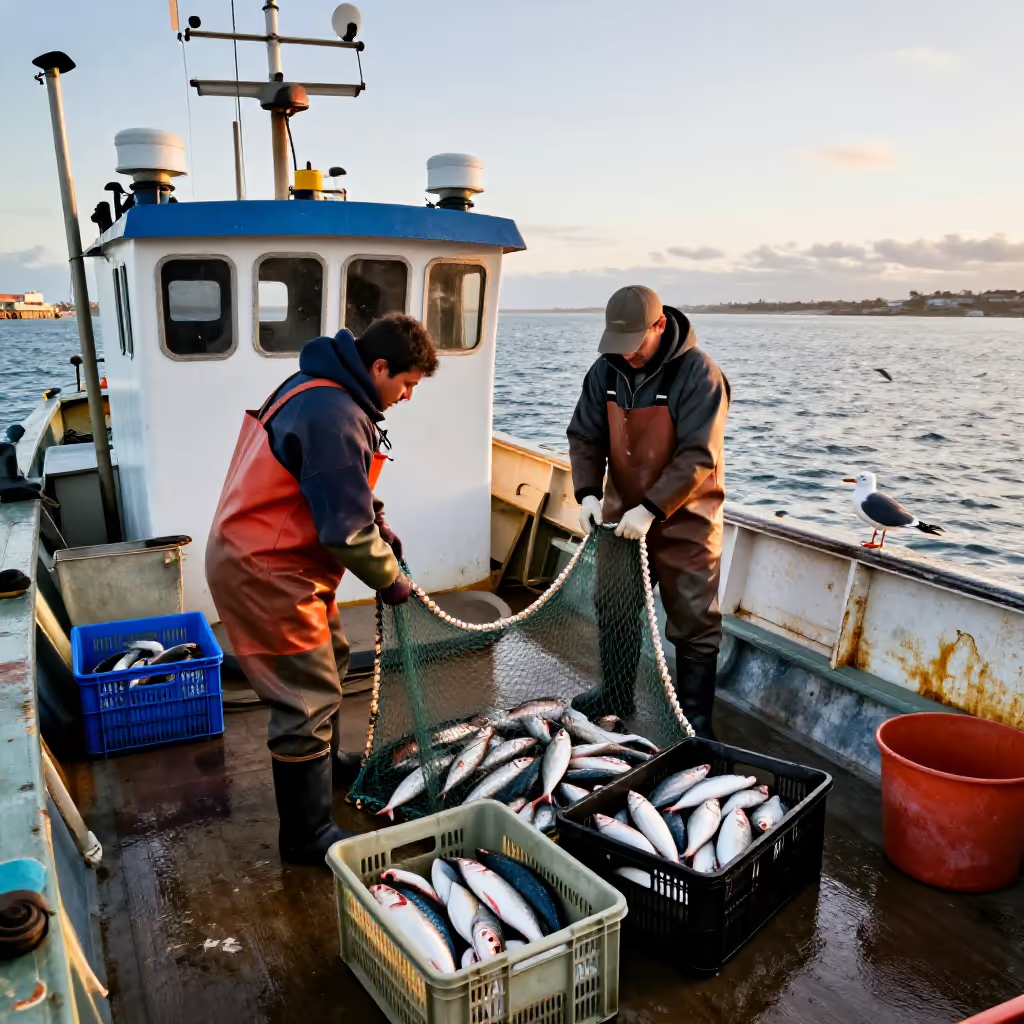
der Fang
catch
The total number of animals, especially fish or game, that were caught during a hunt or fishing trip.
EXAMPLE
Der Fischer verkaufte seinen gesamten Fang direkt am Hafen.
The fisherman sold his entire catch directly at the harbor.
catch / fang
Loading your saved state.
catch
The total number of animals, especially fish or game, that were caught during a hunt or fishing trip.
Der Fischer verkaufte seinen gesamten Fang direkt am Hafen.
The fisherman sold his entire catch directly at the harbor.

catch
(figurative) A person or thing that one has gained for oneself and considers especially valuable, advantageous, or desirable.
Mit dem neuen Stürmer hat der Fußballverein einen richtig guten Fang gemacht.
With the new striker, the football club has made a really good catch.
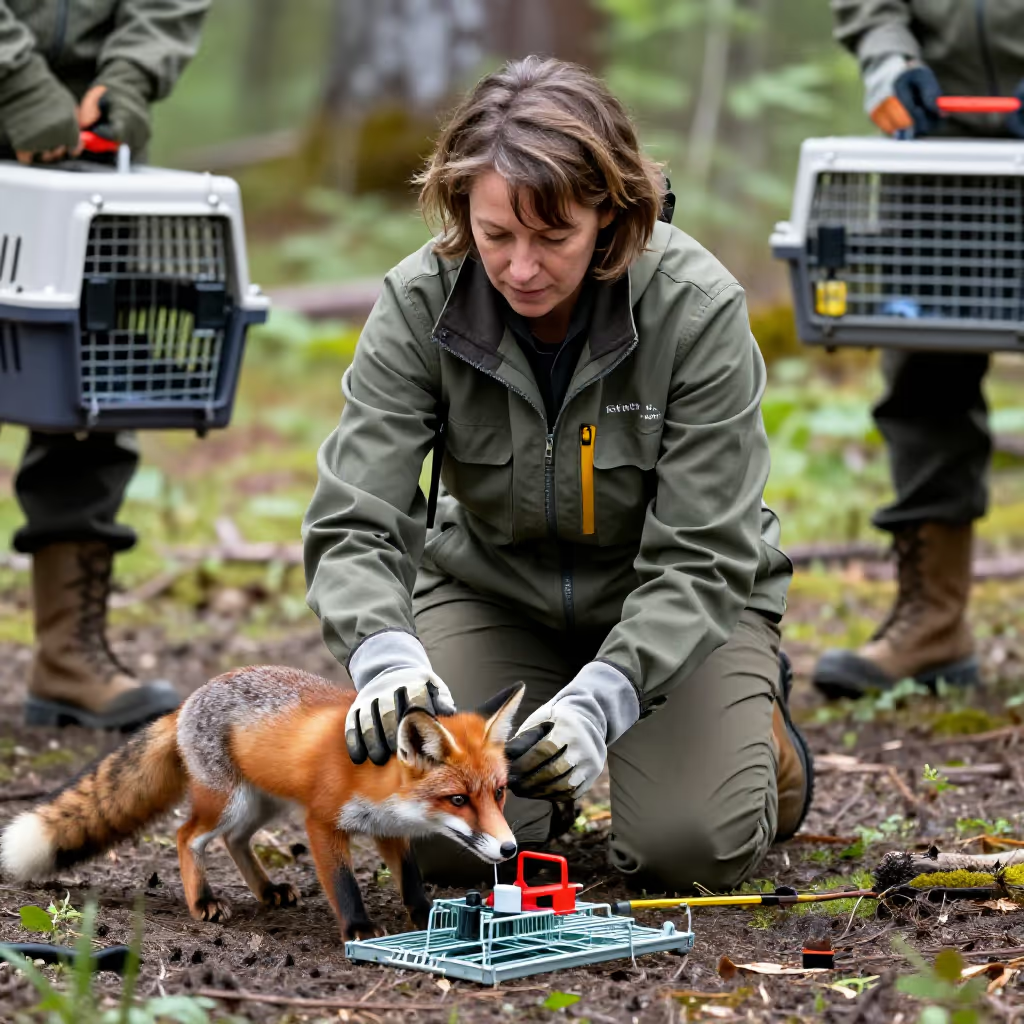
catching
The act of catching an animal.
Der Fang eines so großen Fisches ist ein seltenes Erlebnis.
Catching such a large fish is a rare experience.
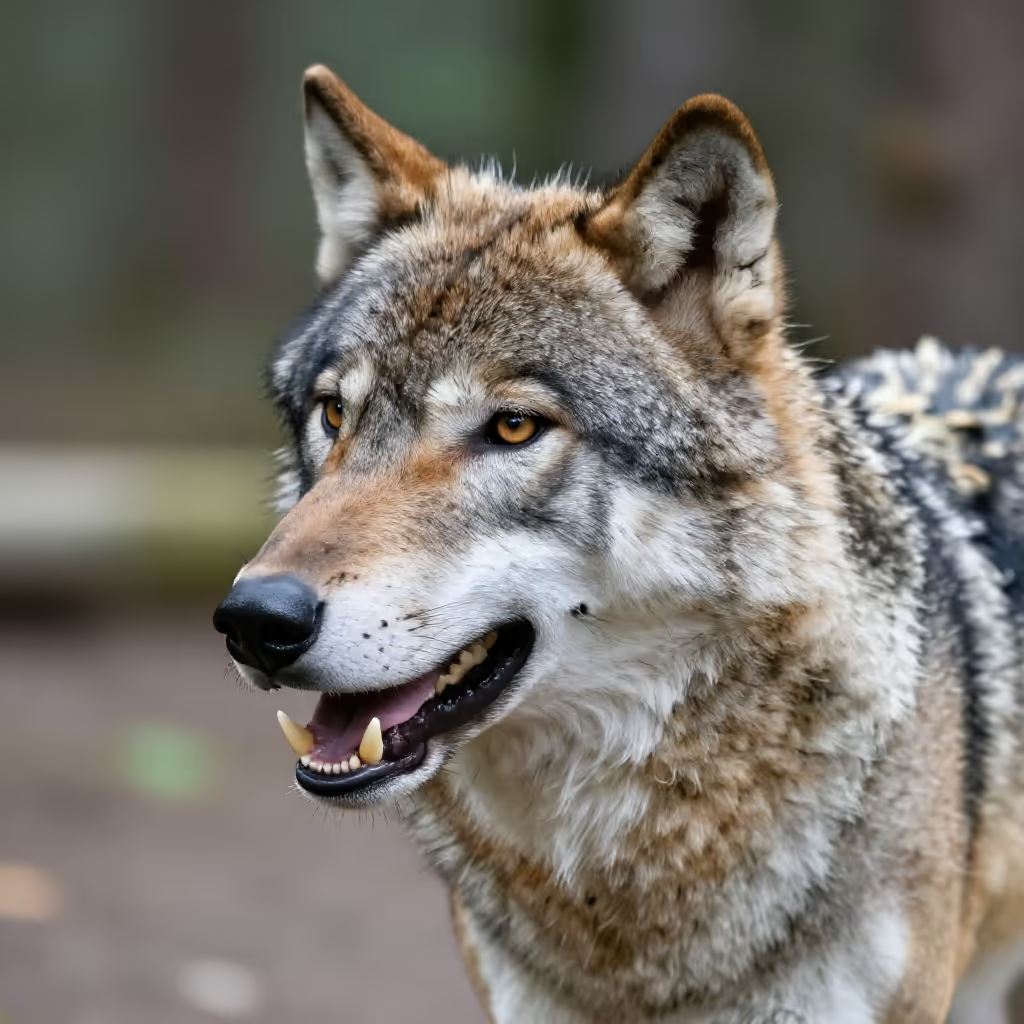
fang
(hunting language, zoology) The long, pointed canine tooth of a predator, for example a dog, wolf, or wild boar.
Der Wolf fletschte die Zähne und zeigte seine spitzen Fänge.
The wolf bared its teeth and showed its sharp fangs.
The noun 'der Fang' (catch) is derived directly from the verb 'fangen' (to catch). This connection helps you understand most meanings: it can refer to the animals caught, the act of catching, or a 'caught' (won over) valuable person.
Der Angler war stolz auf seinen Fang.
The angler was proud of his catch.
In the figurative meaning, the fixed expression 'einen guten Fang machen' (to make a good catch) is almost always used. It describes gaining a person or thing that turns out to be very advantageous.
Mit dieser neuen Mitarbeiterin haben wir einen wirklich guten Fang gemacht.
With this new employee, we have made a really good catch.
When 'Fang' means the prey of fishermen or hunters, it is often combined with adjectives such as 'reich' (rich/plentiful), 'gut' (good), or 'mager' (meager). Typical verbs are 'einen Fang machen' (to make a catch) or 'den Fang verkaufen' (to sell the catch).
Nach dem Sturm war der Fang der Fischer sehr mager.
After the storm, the fishermen's catch was very meager.
The meaning 'Eckzahn eines Raubtieres' (canine tooth of a predator) is technical language from hunting or biology. You can recognize it by the fact that it is about animals such as wolves or wild boars, and the plural 'die Fänge' (fangs) is often used.
Der Tiger zeigte seine langen, spitzen Fänge.
The tiger showed its long, sharp fangs.
route / distance
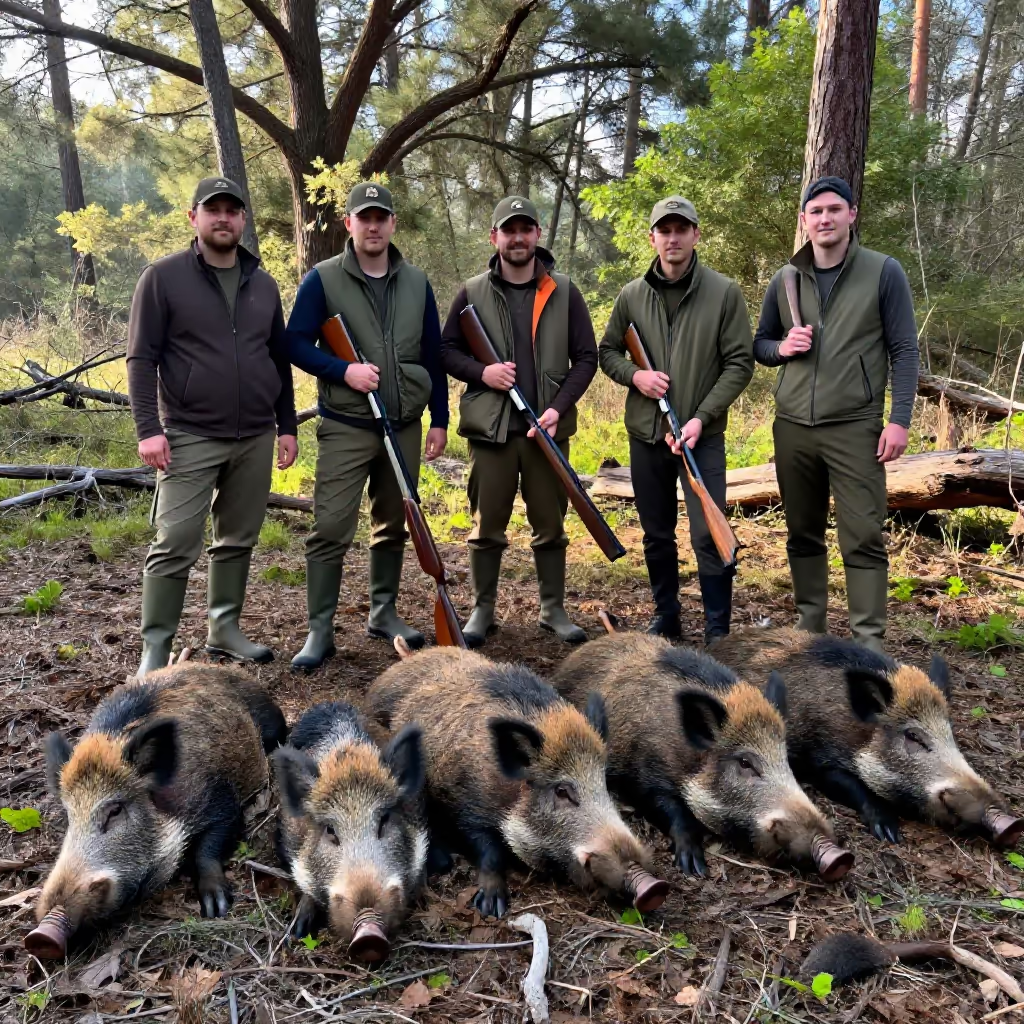
In hunting terminology, „die Strecke“ refers collectively to all the animals killed during a hunt. „Der Fang“ (catch) refers to animals that have been caught, especially fish or game; the focus is on the act of catching them. Use „Strecke“ for game killed during a hunt and „Fang“ for animals that have been caught.
Der Fang des Fischzugs umfasste fünf große Forellen.
The catch from the fishing trip consisted of five large trout.
Die Strecke der Jagd umfasste fünf erlegte Wildschweine.
The hunt’s bag consisted of five wild boars.