

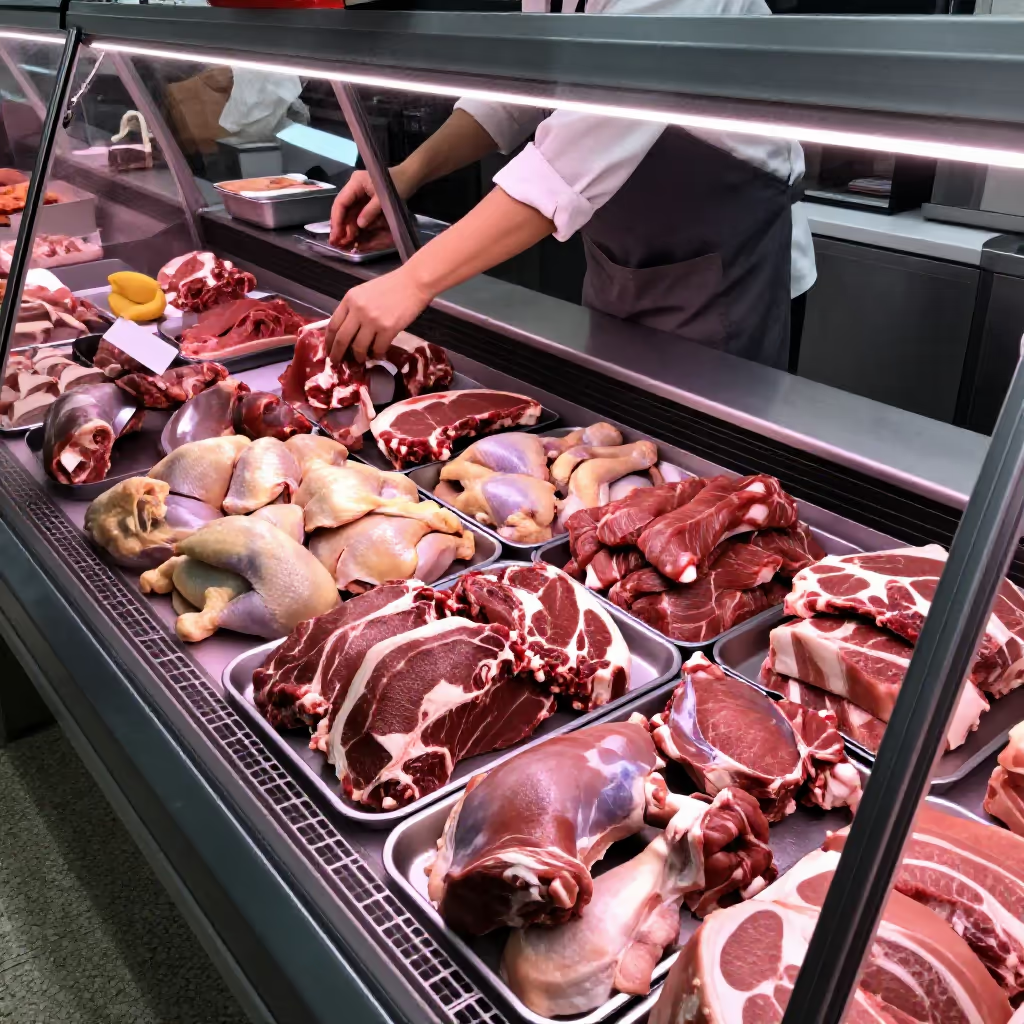
das Fleisch
meat
The muscle tissue of animals that is used as food.
EXAMPLE
Viele Vegetarier essen aus ethischen Gründen kein Fleisch.
Many vegetarians don't eat meat for ethical reasons.
meat / flesh
Loading your saved state.
meat
The muscle tissue of animals that is used as food.
Viele Vegetarier essen aus ethischen Gründen kein Fleisch.
Many vegetarians don't eat meat for ethical reasons.
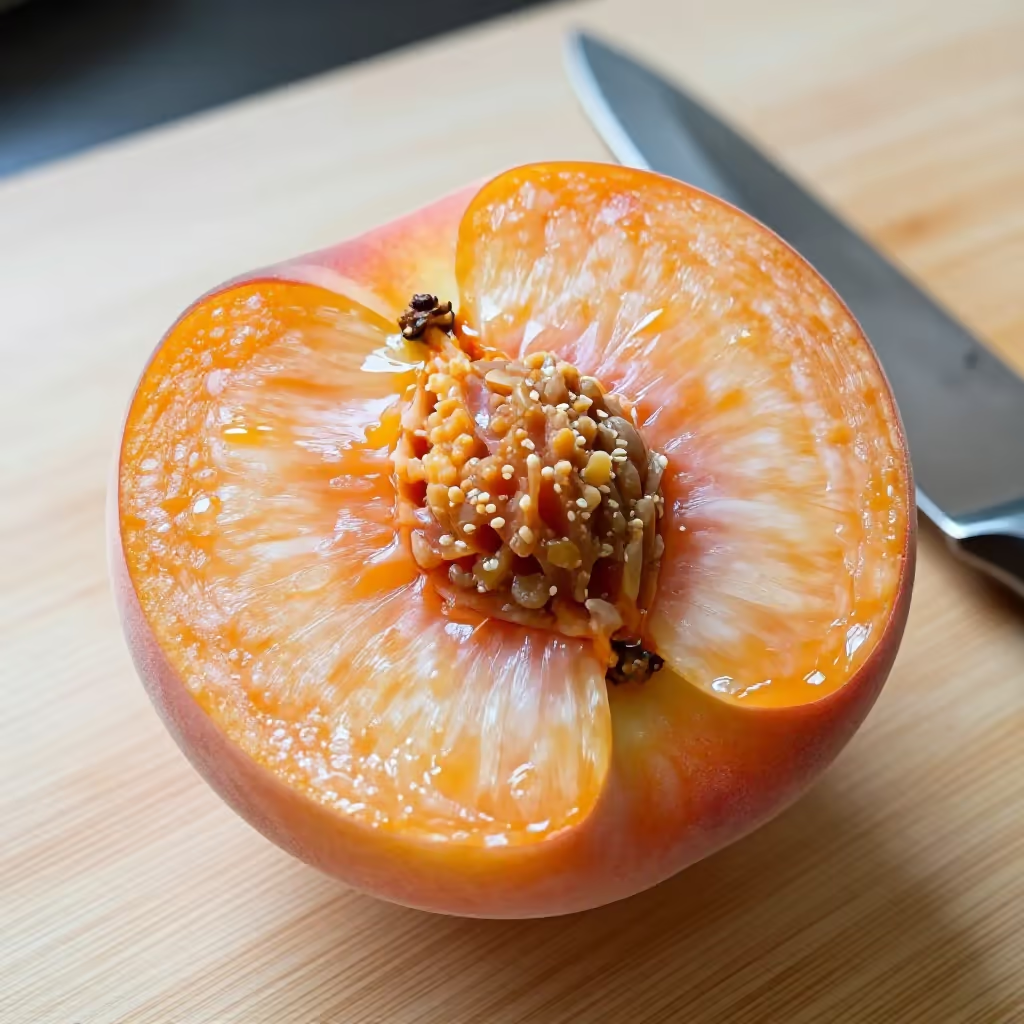
flesh
The soft, edible part of fruits and some vegetables.
Das Fleisch dieser Pfirsiche ist besonders saftig und süß.
The flesh of these peaches is especially juicy and sweet.

flesh
The human body and its desires, often in contrast to the mind or soul.
Das Sprichwort sagt: „Der Geist ist willig, aber das Fleisch ist schwach.“
The proverb says: 'The spirit is willing, but the flesh is weak.'
'Fleisch' (meat/flesh) is an uncountable noun (mass noun) in most of its meanings. It is therefore usually used without an article and generally has no plural.
Zum Grillen kaufen wir Würstchen und Fleisch.
For grilling, we're buying sausages and meat.
You can recognize the meaning of 'Fleisch' (meat/flesh) from context. If it is about fruit, it means the edible part. In philosophical or religious texts, it often stands for the body in contrast to the spirit.
Entfernen Sie die Kerne und schneiden Sie das Fleisch der Avocado in Würfel.
Remove the pits and cut the flesh of the avocado into cubes.
When referring to meat as food, it is often described with adjectives such as 'mager' (lean) or 'fett' (fatty), 'zart' (tender) or 'zäh' (tough), and 'roh' (raw), 'gebraten' (fried/roasted), or 'gekocht' (cooked/boiled).
Für dieses Gericht sollten Sie ein zartes Stück Rindfleisch verwenden.
For this dish, you should use a tender piece of beef.
The proverb 'Der Geist ist willig, aber das Fleisch ist schwach' (The spirit is willing, but the flesh is weak) is very well known. It describes a situation where you want to do something, but lack the physical discipline or strength.
Ich wollte heute früh aufstehen und joggen gehen, aber der Geist ist willig, aber das Fleisch ist schwach.
I wanted to get up early today and go jogging, but the spirit is willing, and the flesh is weak.
body
Körper is the neutral term for the entire physical structure of a person. Fleisch can also refer to the human body, but it often contrasts the body with the mind or soul in a judgmental or religious way, emphasizing physical desires.
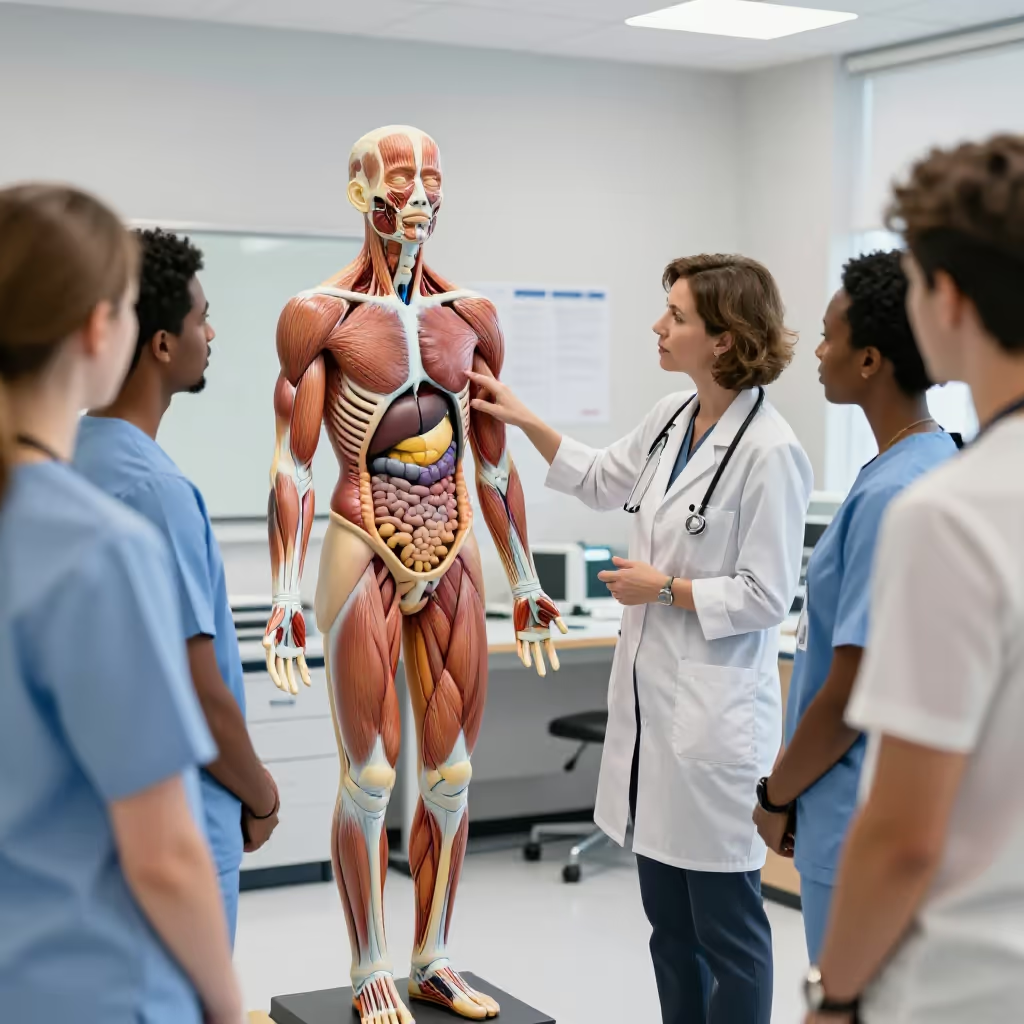
In der Predigt heißt es, das Fleisch verlange nach Bequemlichkeit.
The sermon says that the flesh longs for comfort.
Nach der langen Wanderung braucht der Körper eine Pause.
After the long hike, the body needs a rest.