

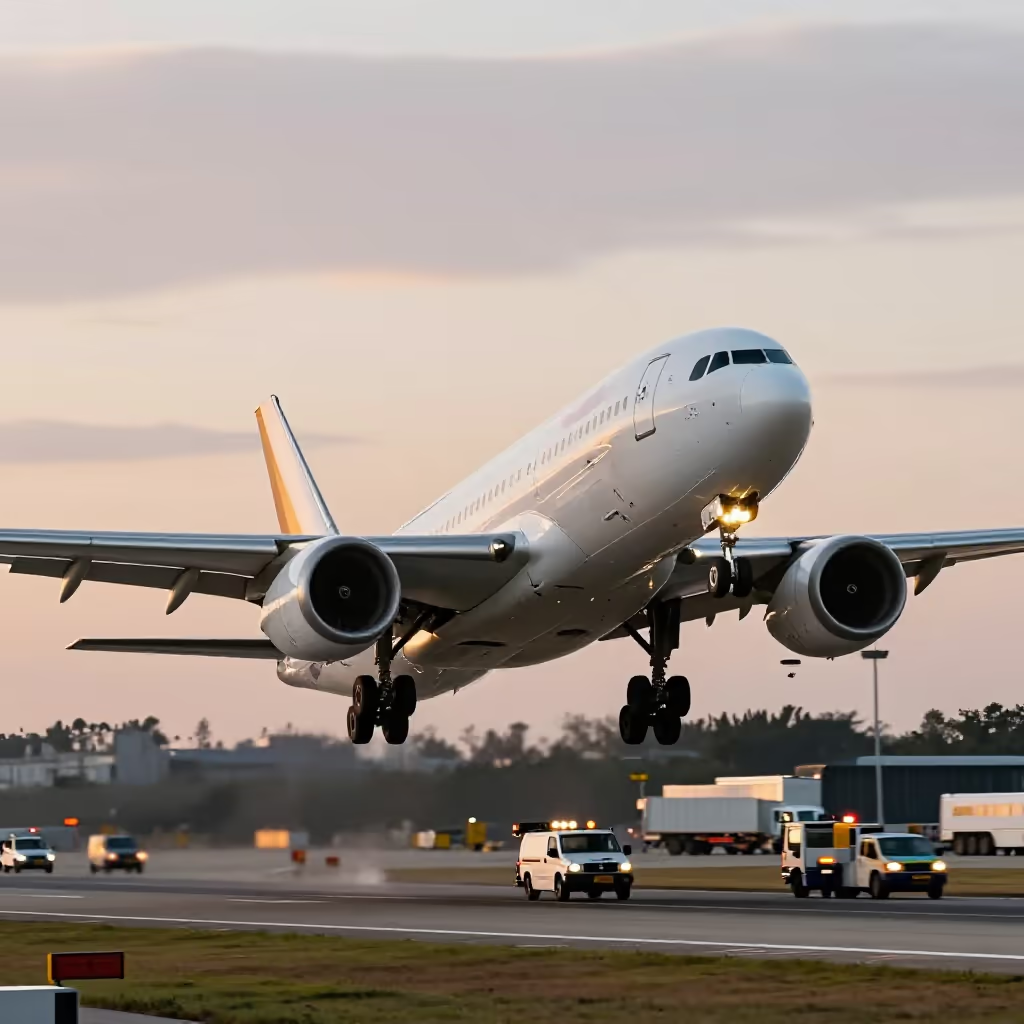
der Flieger
plane
(Colloquial) An airplane.
EXAMPLE
Unser Flieger nach Mallorca hat eine Stunde Verspätung.
Our plane to Mallorca is delayed by one hour.
plane / pilot
Loading your saved state.
plane
(Colloquial) An airplane.
Unser Flieger nach Mallorca hat eine Stunde Verspätung.
Our plane to Mallorca is delayed by one hour.
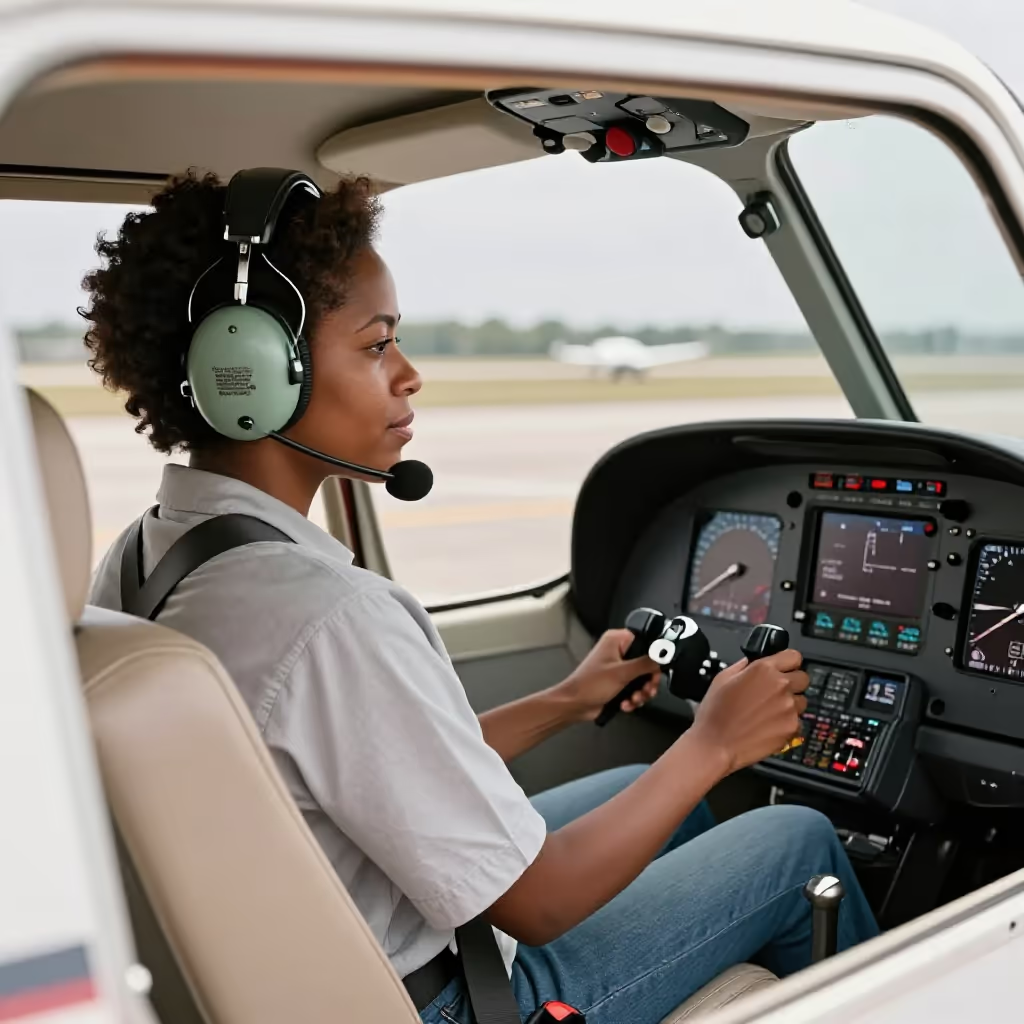
pilot
A person who controls an airplane; a pilot.
Der erfahrene Flieger landete die Maschine trotz des Sturms sicher.
The experienced pilot landed the aircraft safely despite the storm.
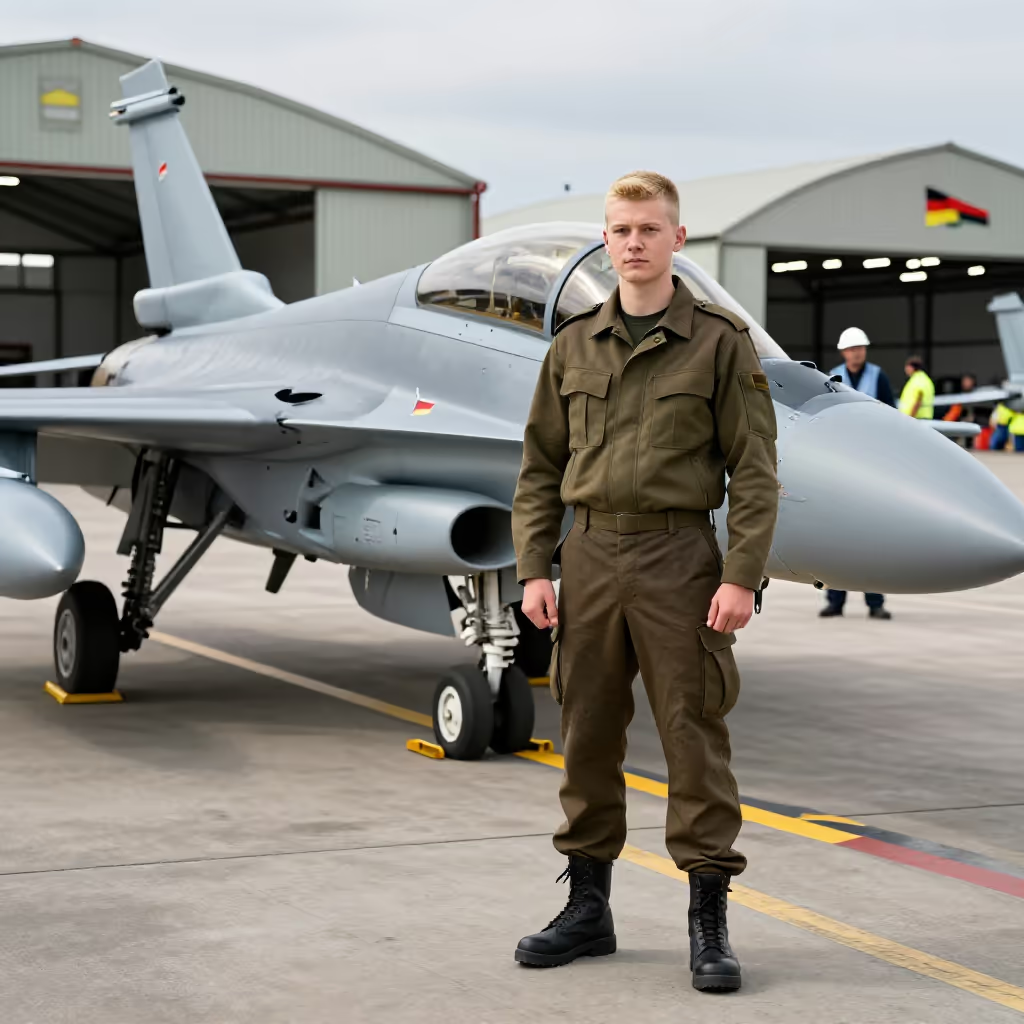
airman
A soldier in the air force.
Im Zweiten Weltkrieg war sein Großvater bei den Fliegern.
In the Second World War, his grandfather was with the airmen.
'Der Flieger' (plane/pilot) is derived from the verb 'fliegen' (to fly) with the ending '-er'. This ending can refer both to a person who does something (pilot) and to a device that does something (airplane).
Der Flieger ist sicher gelandet.
The plane landed safely.
You can recognize the meaning of 'Flieger' (plane/pilot) from the context. If it is about travel or takeoff and landing, it means an airplane. If it is about controlling the aircraft, it means a pilot. In a military context, it refers to air force soldiers.
Der Flieger nach Berlin startet in einer Stunde.
The plane to Berlin leaves in an hour.
When 'Flieger' means an airplane, it is a colloquial expression. In more formal contexts or in written language, 'das Flugzeug' (the airplane) is usually used.
Wann geht unser Flieger morgen früh?
When does our plane leave tomorrow morning?
In the meaning 'Flugzeug' (airplane), 'Flieger' (plane) is often combined with verbs of travel: 'den Flieger nehmen' (to take the plane), 'den Flieger verpassen' (to miss the plane), or 'im Flieger sitzen' (to be sitting on the plane).
Wir müssen uns beeilen, sonst verpassen wir den Flieger.
We have to hurry, otherwise we'll miss the plane.
airplane
Both words can refer to a motorized aircraft. Flugzeug is the neutral and unambiguous term, while Flieger is colloquial and can also refer to a person or a soldier. Flugzeug is appropriate in factual conversations; in casual conversation, Flieger is also possible.
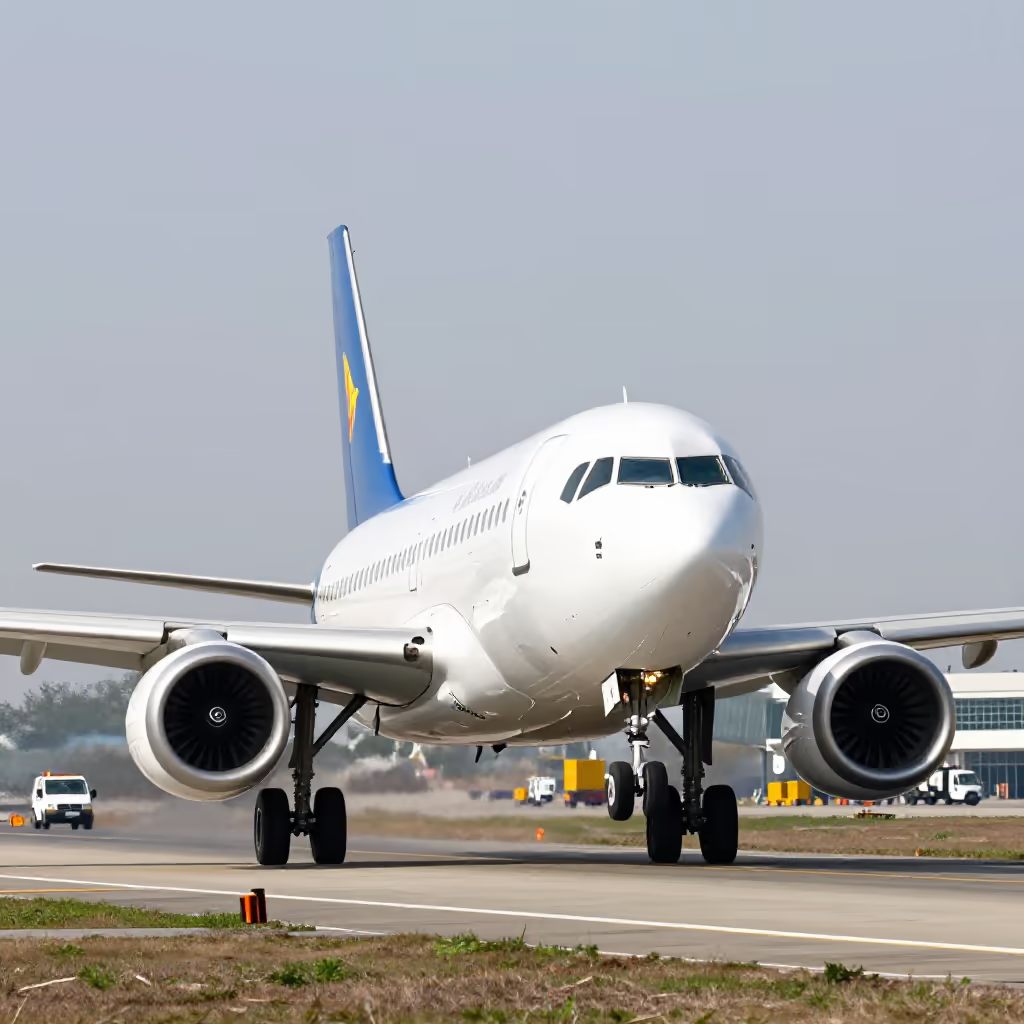
Unser Flieger landet wegen des starken Winds zwanzig Minuten später.
Our plane is landing twenty minutes late because of the strong wind.
Das Flugzeug landet wegen des starken Winds zwanzig Minuten später.
The plane is landing twenty minutes late because of the strong wind.