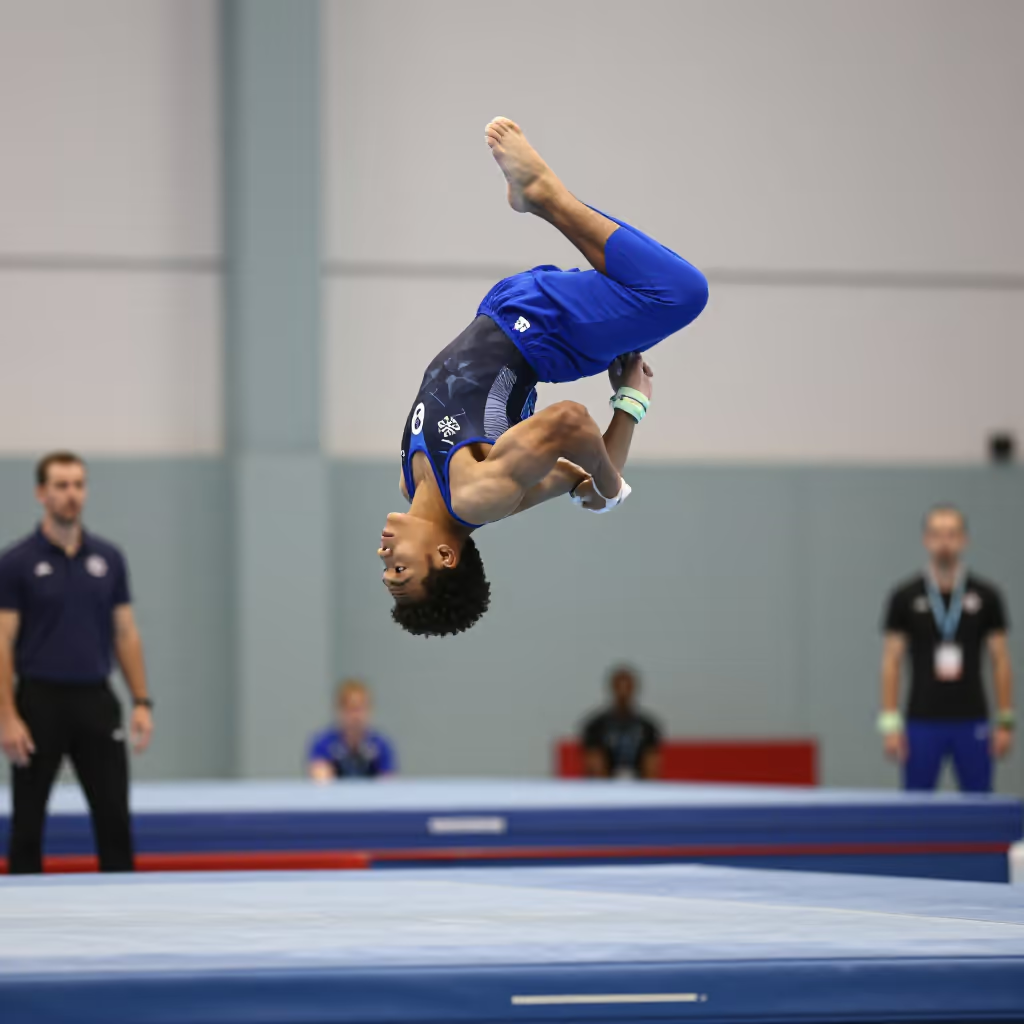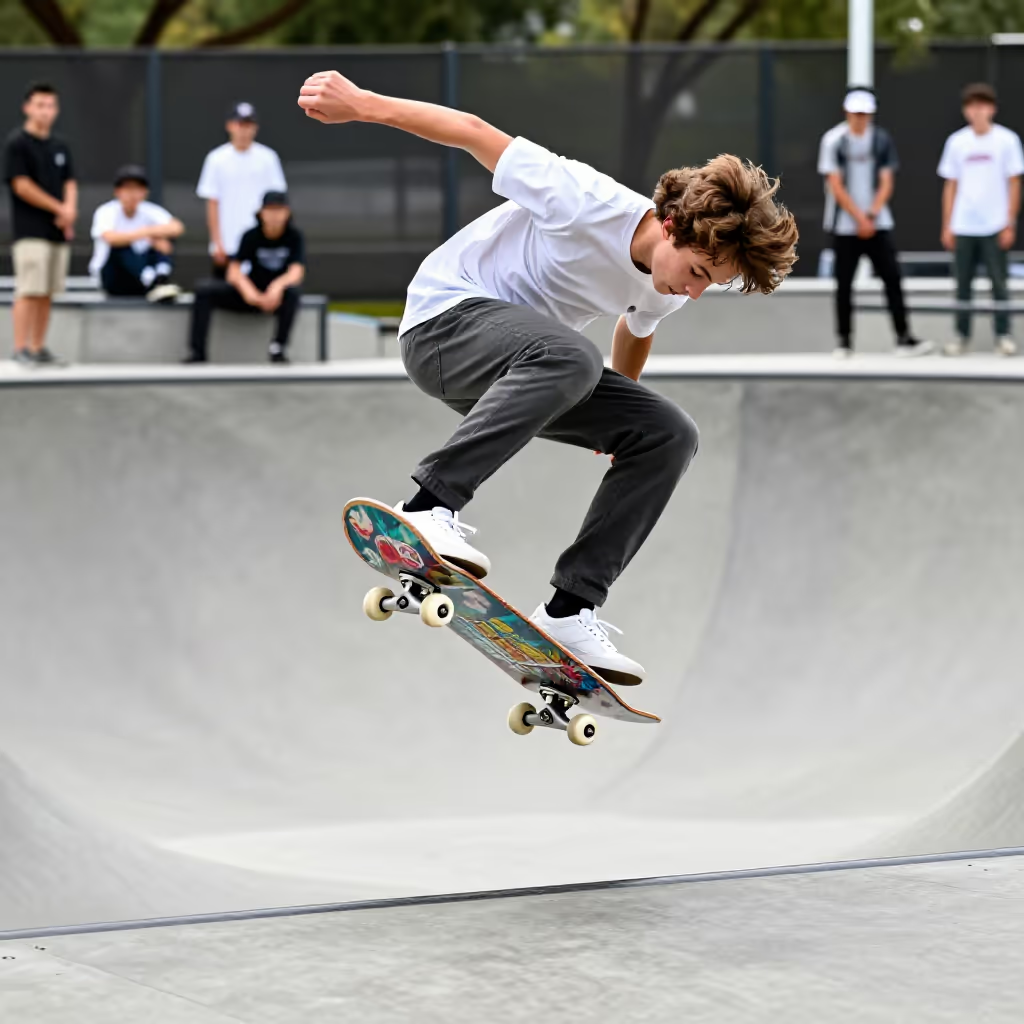
A somersault or similar acrobatic rotation in the air, especially performed in sports such as gymnastics, skateboarding, or snowboarding.
example
Der Snowboarder zeigte einen beeindruckenden Flip über die Schanze.
The snowboarder performed an impressive flip over the jump.
Usage tips
English loanword
The word 'Flip' (flip) has been taken directly from English and is used in German in various contexts. The pronunciation is very similar to the English one.
EXAMPLE
Der Skateboarder übt den ganzen Tag für einen schwierigen Flip.
The skateboarder practices all day for a difficult flip.
Context clue
The context reveals whether a sports rotation or a drink is meant. Verbs like 'machen' (to do/make) or 'zeigen' (to show/perform) point to acrobatics, while 'trinken' (to drink) or 'zubereiten' (to prepare) refer to the drink.
EXAMPLE
Sie hat einen doppelten Flip im Trampolinpark gemacht.
She did a double flip at the trampoline park.
Well-known variant
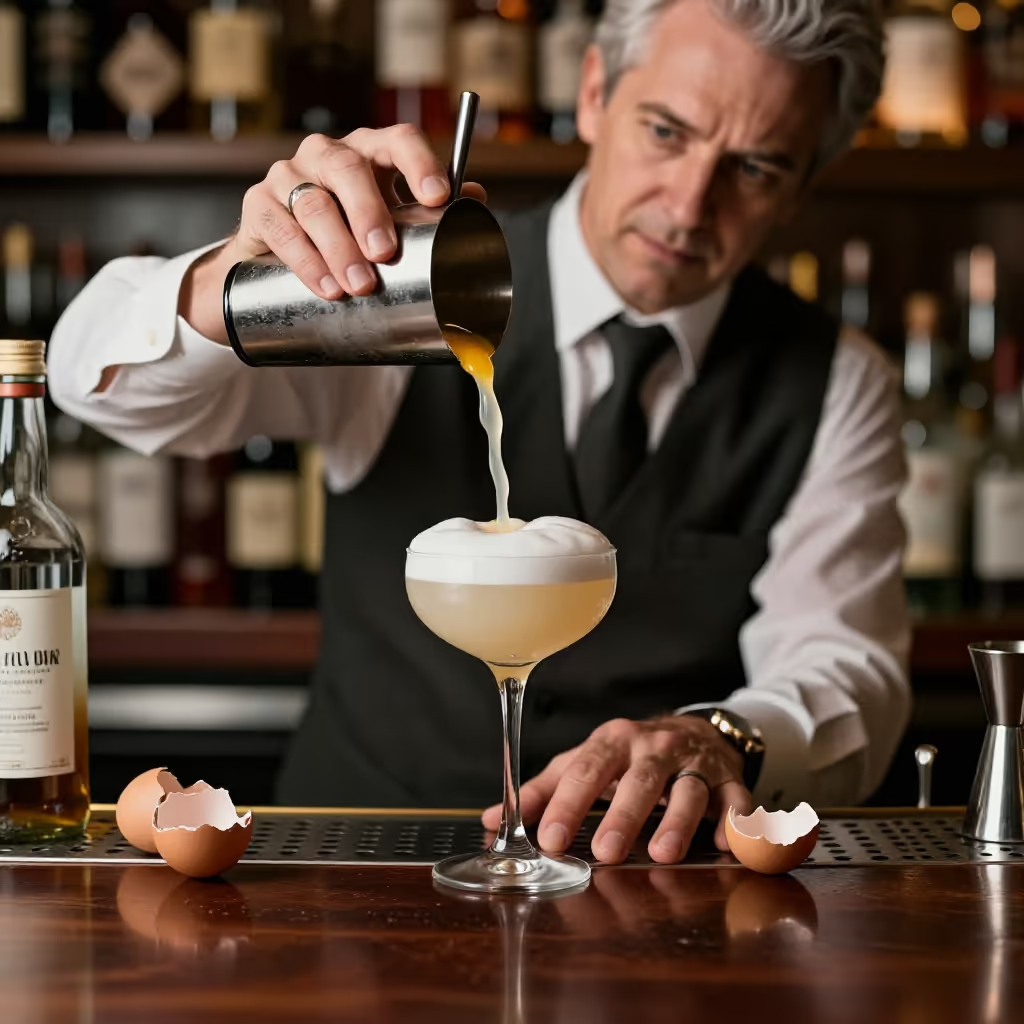
In the meaning as a drink, the compound 'der Eierflip' (egg flip) is especially well known and common. It is a flip prepared with egg liqueur or egg yolk.
EXAMPLE
Zu Weihnachten gibt es bei uns traditionell Eierflip.
At Christmas, we traditionally have egg flip.
Compare with
confusable
Flip vs Spin
spin
'der Spin' and 'der Flip' can both have to do with rotation, especially in sports. The important difference is: 'Spin' usually means the rapid rotation of an object around its own axis, for example with a ball. 'Flip' is more of an acrobatic movement in the air in which a person or a board turns over. Learners may confuse the words because both sound modern and are connected with movement. A practical tip: a ball has spin; a gymnast or skater does a flip.
Flip
Beim Training hat Max zum ersten Mal einen Flip mit dem Skateboard geschafft.
During training, Max landed a flip on his skateboard for the first time.
Spin
Durch den starken Spin sprang der Tennisball zur Seite weg.
Because of the strong spin, the tennis ball bounced off to the side.