A biochemical process in which organic substances are transformed, usually by microorganisms such as yeasts or bacteria. This process is central to the production of alcohol, bread, or sauerkraut.
example
Bei der Herstellung von Wein wird der Zucker der Trauben durch Gärung in Alkohol umgewandelt.
In the production of wine, the sugar in the grapes is converted into alcohol through fermentation.
Usage tips
Word family
'Die Gärung' (fermentation) is the nominalization of the verb 'gären' (to ferment). The ending '-ung' turns the action into a process or state, similar to 'warnen' (to warn) → 'die Warnung' (the warning).
EXAMPLE
Der Teig muss eine Stunde gären, bevor er gebacken wird.
The dough has to ferment for an hour before it is baked.
Typical collocations
In a biochemical context, people often speak of 'alkoholische Gärung' (alcoholic fermentation). Typical verbs are 'einsetzen' (to begin) or 'stoppen' (to stop) when describing the process.
EXAMPLE
Die Gärung setzt ein, sobald die Hefe zum Teig gegeben wird.
Fermentation begins as soon as the yeast is added to the dough.
Metaphorical meaning
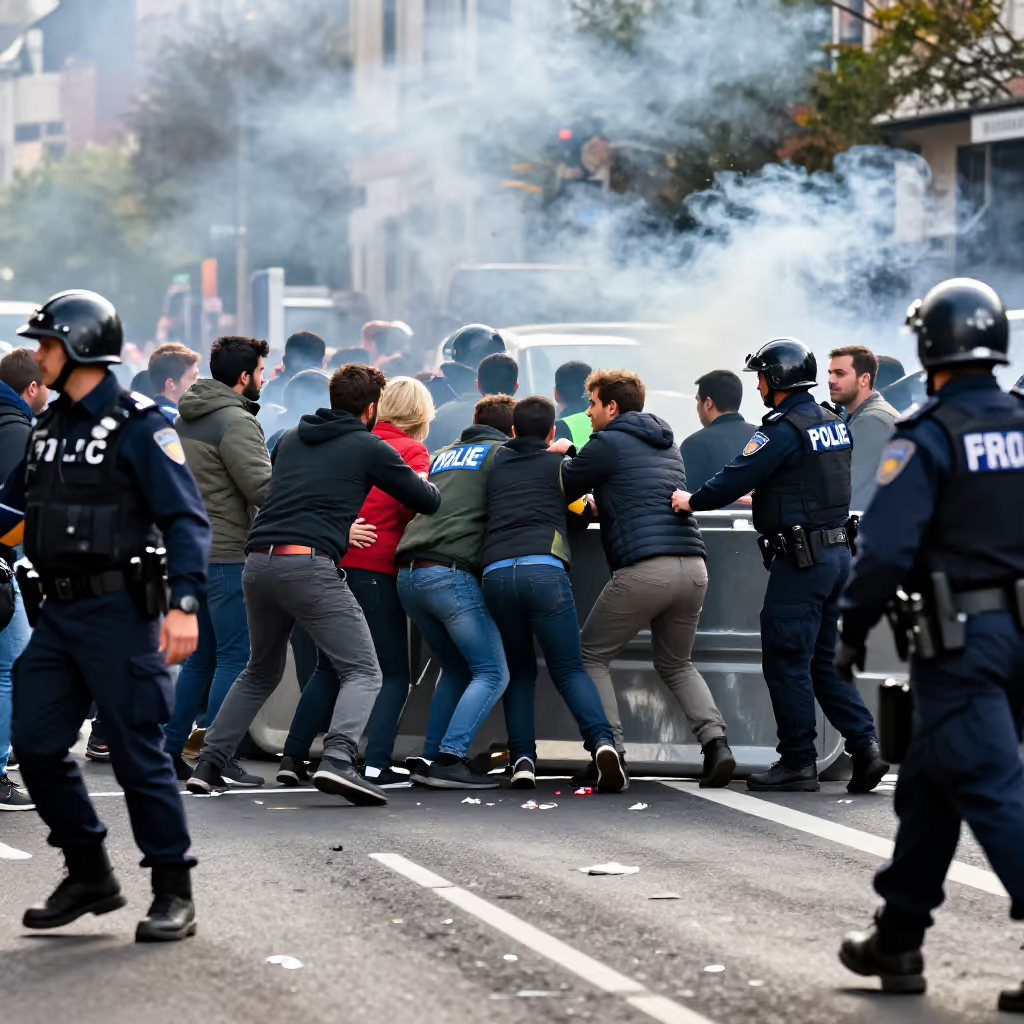
The political meaning is a metaphor. Just as something 'bubbles' and changes during 'Gärung' (fermentation), the word is used to describe a restless, tense social or political mood before a change.
EXAMPLE
In der Bevölkerung herrschte eine spürbare Gärung vor der Wahl.
There was noticeable unrest among the population before the election.
Fixed expressions
In the figurative meaning, 'Gärung' (unrest) is often used with verbs of state. Typical phrases are 'in Gärung sein' (to be in a state of unrest), 'in Gärung geraten' (to fall into unrest), or 'ein Zustand der Gärung' (a state of unrest).
EXAMPLE
Nach dem Skandal befand sich die Regierung in einem Zustand der Gärung.
After the scandal, the government was in a state of unrest.
Compare with
near_synonym · confusable
Gärung vs Spannung
tension / suspense / voltage
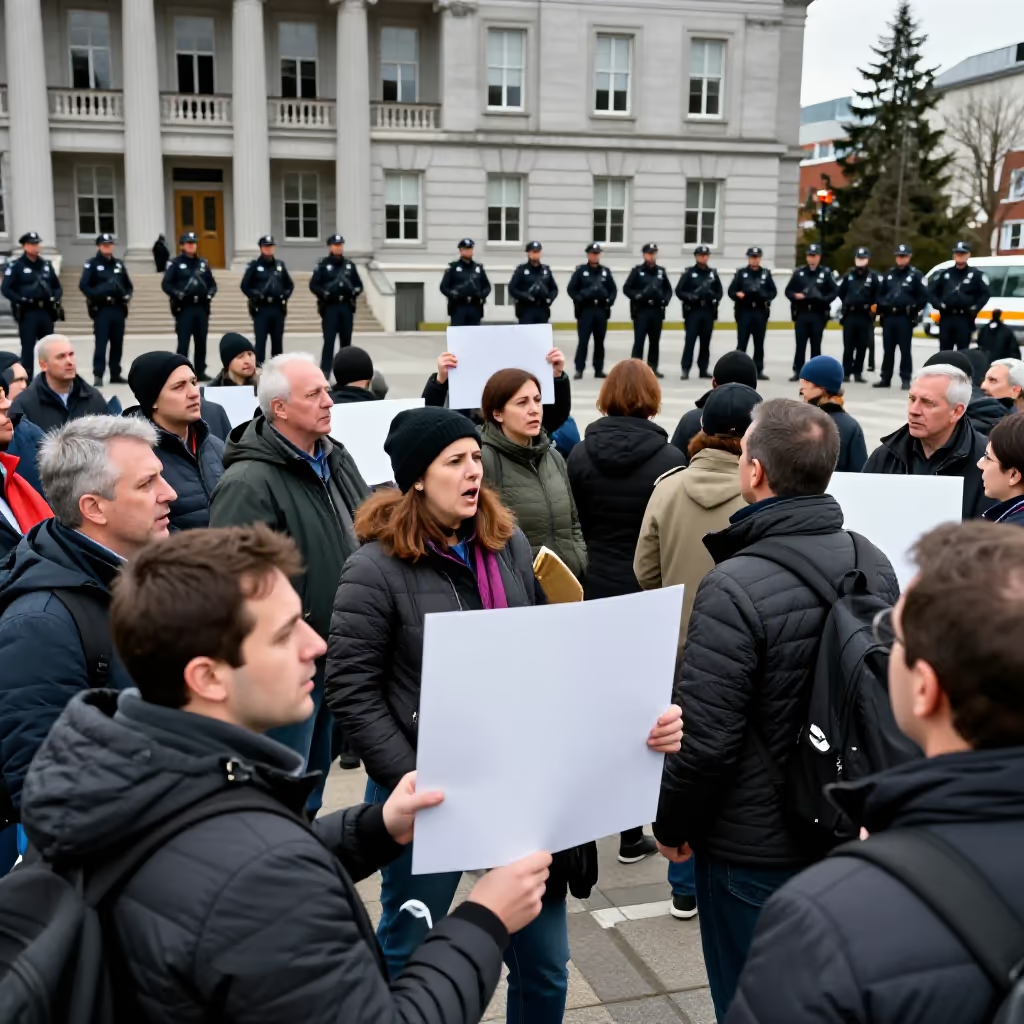
'die Spannung' and 'die Gärung' can both describe a difficult situation between people or groups. 'Spannung' tends to mean an open or noticeable conflict, mistrust, or hostile mood. 'Gärung' is used figuratively when unrest arises in a group or society and something may change. The word sounds more like a process that is not yet fully visible. They can be confused because both have to do with unrest. 'Spannung' is more natural when it is about a clear conflict; 'Gärung' fits better for political or social unrest that is developing slowly.
Gärung
In der Stadt herrschte politische Gärung, weil viele Menschen Veränderungen wollten.
There was political unrest in the city because many people wanted change.
Spannung
Nach dem Streit war die Spannung zwischen den beiden Kollegen deutlich zu spüren.
After the argument, the tension between the two colleagues was clearly noticeable.