

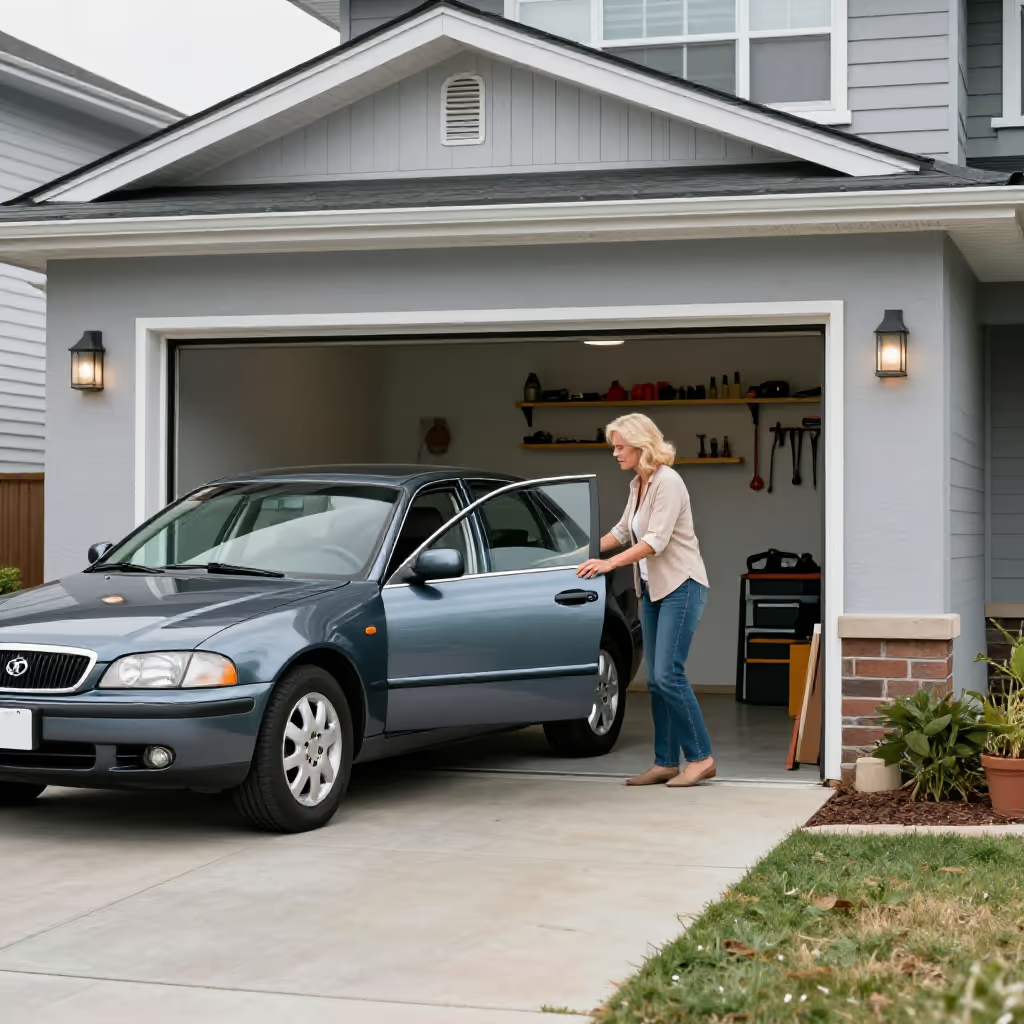
die Garage
garage
A lockable room or small building for parking a vehicle, usually a car.
EXAMPLE
Er fährt sein Auto jeden Abend in die Garage.
He drives his car into the garage every evening.
garage
Loading your saved state.
garage
A lockable room or small building for parking a vehicle, usually a car.
Er fährt sein Auto jeden Abend in die Garage.
He drives his car into the garage every evening.
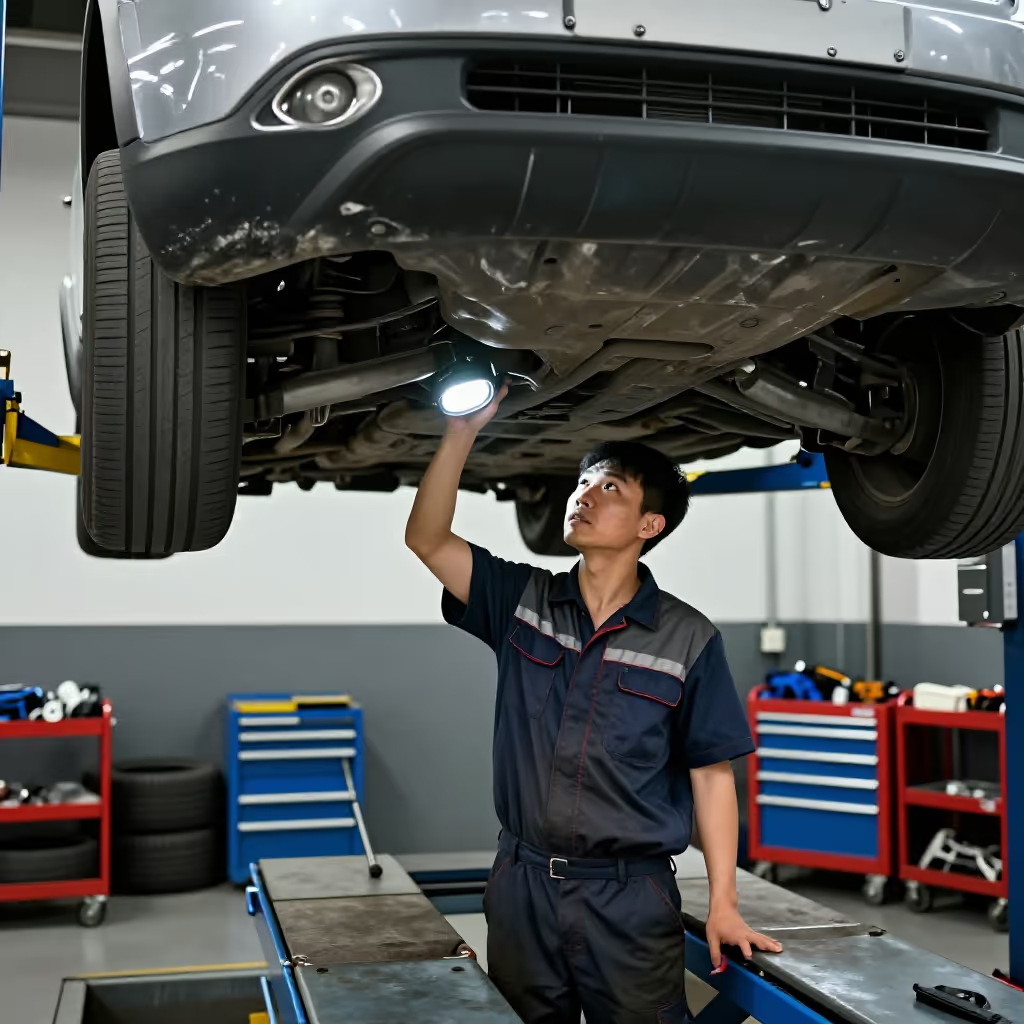
garage / repair shop
A workshop for repairing motor vehicles.
Ich muss das Auto in die Garage bringen, weil der Auspuff kaputt ist.
I have to take the car to the garage because the exhaust is broken.
Pay attention to the case after the preposition 'in'. When you describe movement into the garage, you use the accusative ('in die Garage'). When you describe a state or position, you use the dative ('in der Garage').
Fahr das Auto bitte in die Garage, es fängt an zu regnen.
Please drive the car into the garage; it's starting to rain.
The verb used helps distinguish the two meanings. Verbs like 'parken' (to park), 'fahren' (to drive), or 'stehen' (to stand/be parked) point to the storage space for a vehicle. Verbs like 'bringen' (to bring/take) or 'reparieren lassen' (to have repaired) point to the auto repair shop.
Mein Fahrrad steht neben dem Auto in der Garage.
My bicycle is next to the car in the garage.
'Garage' is a loanword from French. This explains the ending '-age', which is unusual for German words, and the feminine gender assignment ('die').
Zu unserem Haus gehört auch eine Doppelgarage.
Our house also has a two-car garage.
workshop / garage
A Werkstatt and a Garage can both be associated with repairing cars. Werkstatt is the established term for the business that carries out such repairs, while Garage can also simply mean a room for parking a car. When referring to a repair, Werkstatt is therefore usually more precise, although Garage is also possible in the appropriate usage.
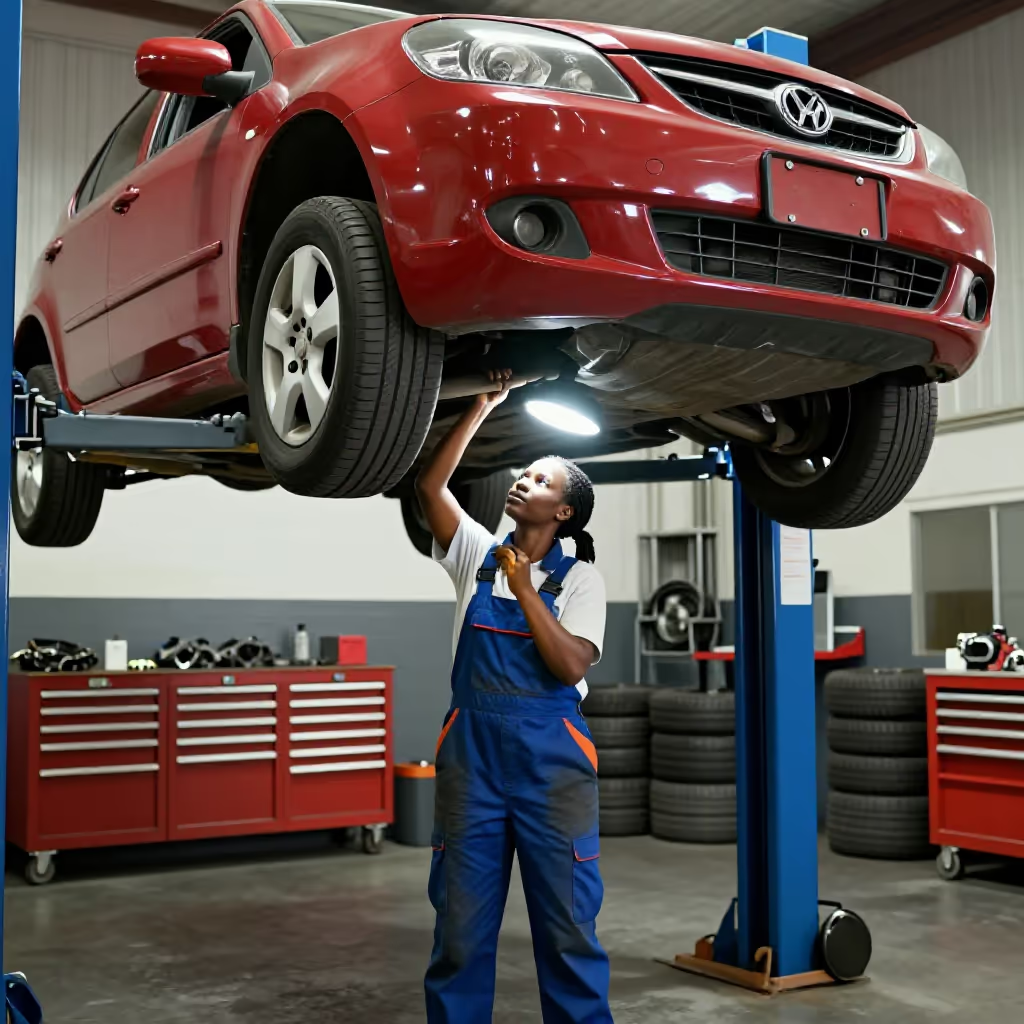
Die kleine Garage repariert mein Auto noch vor dem Wochenende.
The small garage will repair my car before the weekend.
Ich bringe mein Auto morgen zur Reparatur in die Werkstatt.
I’m taking my car to the repair shop tomorrow to have it repaired.