

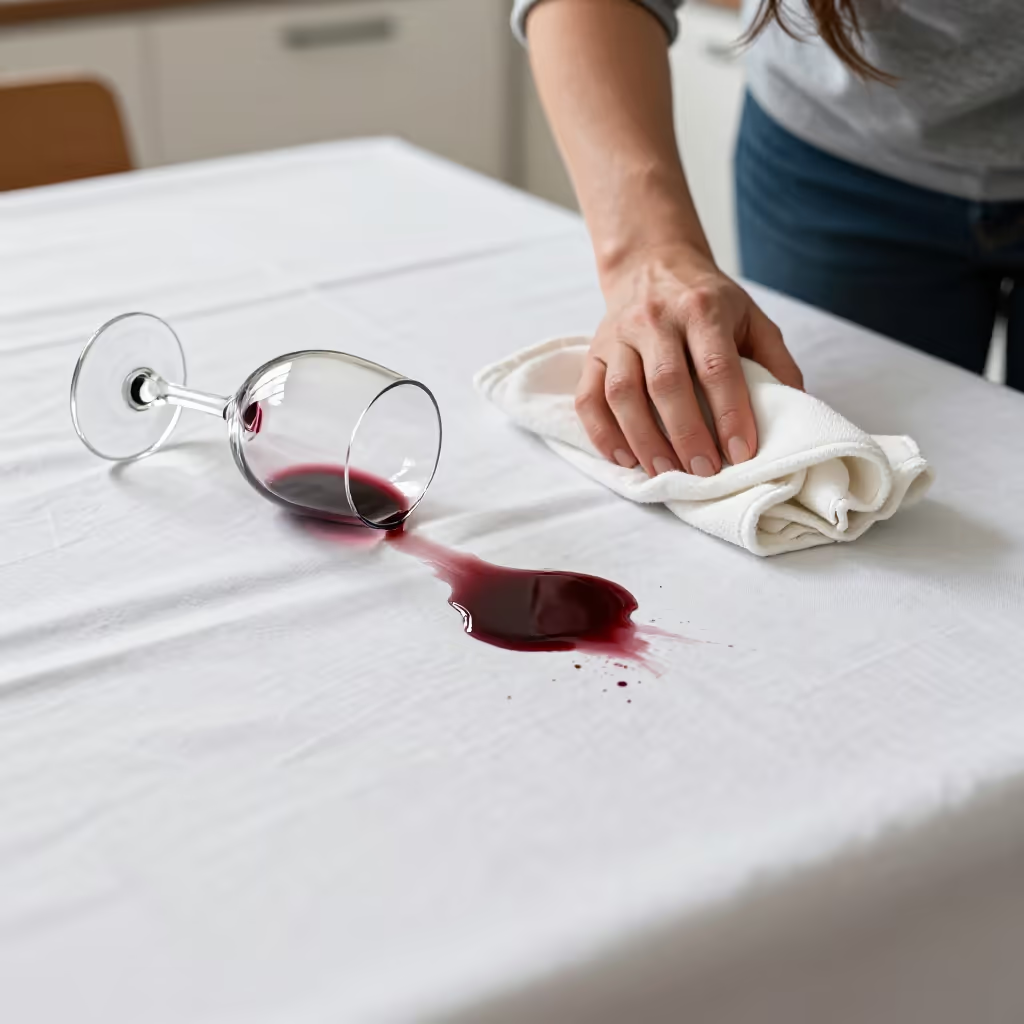
der Fleck
stain
A small dirty or discolored area on a surface.
EXAMPLE
Ich habe einen Kaffeefleck auf meinem neuen Hemd.
I have a coffee stain on my new shirt.
stain / spot
Loading your saved state.
stain
A small dirty or discolored area on a surface.
Ich habe einen Kaffeefleck auf meinem neuen Hemd.
I have a coffee stain on my new shirt.
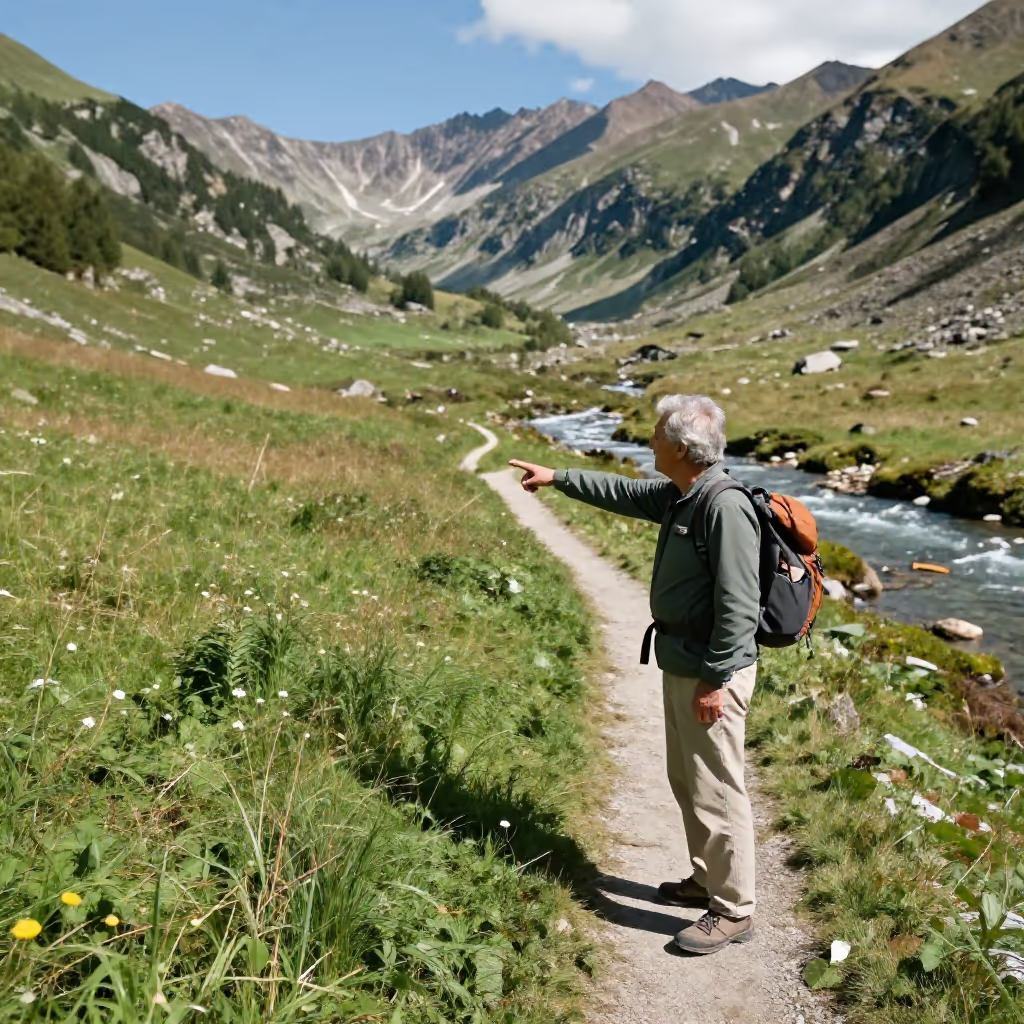
spot / place
A specific place, location, or small area in a landscape.
Hinter dem Hügel liegt ein wunderschöner Fleck unberührter Natur.
Behind the hill lies a beautiful spot of untouched nature.
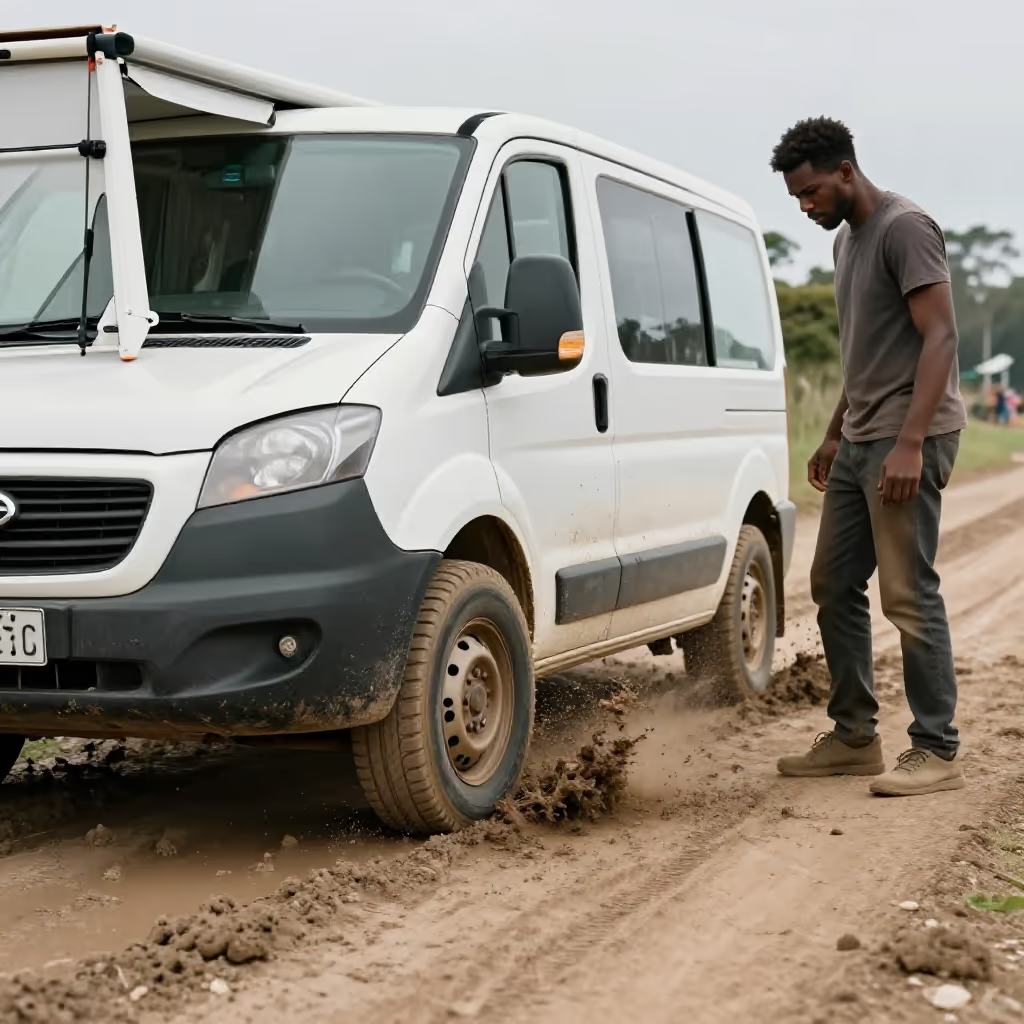
not move an inch
To make no progress; to stay in one place without moving forward.
Wegen des Unfalls bewegt sich der Verkehr auf der Autobahn nicht vom Fleck.
Because of the accident, traffic on the highway isn't moving an inch.
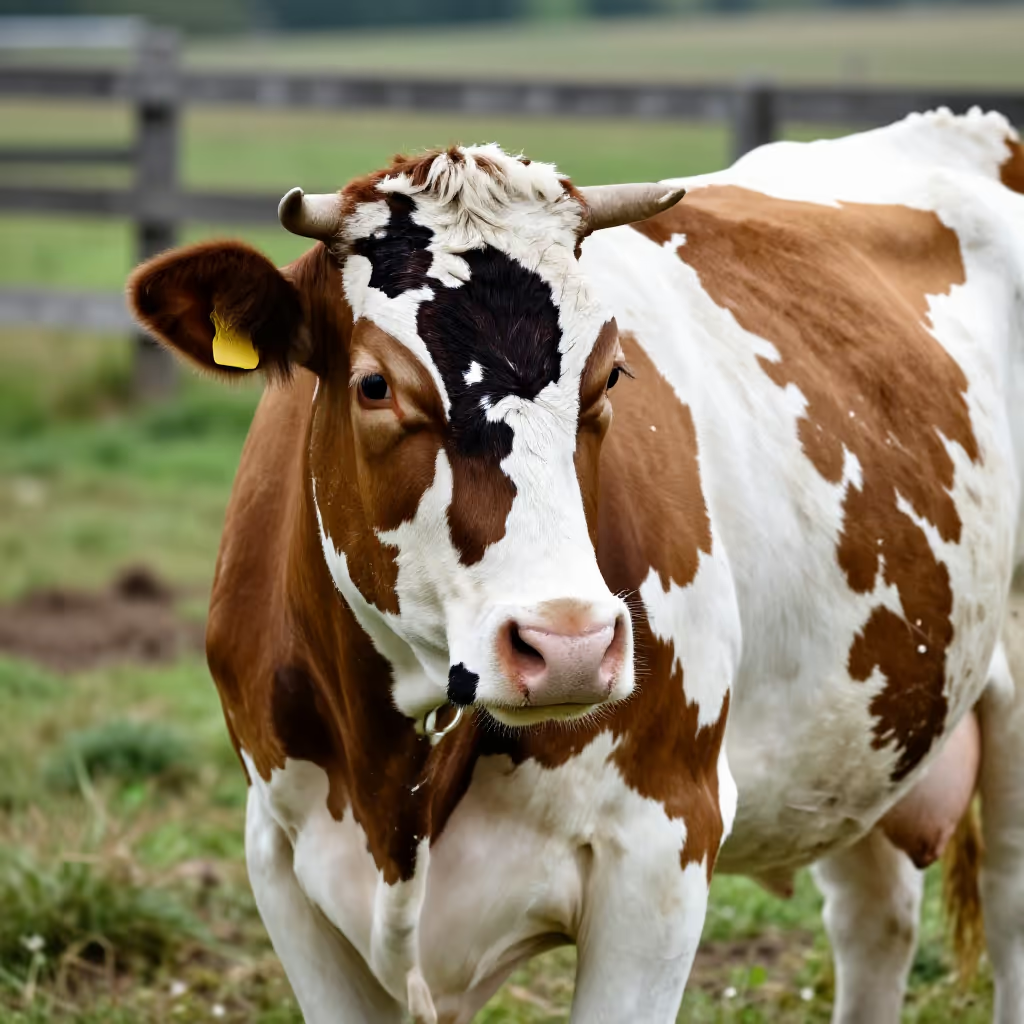
spot / patch
A naturally colored area on the skin or fur of a living creature.
Unser Hund hat einen weißen Fleck auf der Brust.
Our dog has a white patch on his chest.
The two main meanings can be distinguished well from context. A 'Fleck' (stain) on clothing or surfaces is usually unwanted dirt or discoloration. A 'Fleck' (spot) in a landscape, on the other hand, is a place described neutrally or positively.
Ich habe einen Grasfleck auf meiner neuen Hose.
I have a grass stain on my new pants.
When referring to dirt or staining, 'Fleck' (stain) is often combined with verbs like 'machen' (to make), 'entfernen' (to remove), or 'rausbekommen' (to get out). It is also part of many compounds such as 'Kaffeefleck' (coffee stain), 'Grasfleck' (grass stain), or 'Fettfleck' (grease stain).
Wie bekomme ich diesen hartnäckigen Rotweinfleck aus dem Teppich?
How do I get this stubborn red wine stain out of the carpet?
When a place is meant, 'Fleck' (spot) is often used with descriptive adjectives like 'schön' (beautiful), 'ruhig' (quiet), or 'idyllisch' (idyllic). A common phrase is also 'ein schöner Fleck Erde' (a beautiful spot on earth).
Für unser Picknick suchen wir uns einen sonnigen Fleck im Park.
For our picnic, we'll look for a sunny spot in the park.
The idiom 'sich nicht vom Fleck bewegen' or 'nicht vom Fleck kommen' is reflexive. It means that you are making no progress or are literally stuck in one place.
Wegen des vielen Schnees kam das Auto nicht mehr vom Fleck.
Because of all the snow, the car couldn't move anymore.
place / space
Der Platz and der Fleck can both mean a place or small area outdoors. Platz primarily emphasizes available or usable space, while Fleck characterizes the place more strongly, for example as particularly beautiful or peaceful. Platz works for a neutral reference to a place; Fleck can also be used as a descriptive term.
Für unser Picknick suchten wir einen idyllischen Fleck am See.
We looked for an idyllic spot by the lake for our picnic.
Für unser Picknick suchten wir einen freien Platz am See.
We looked for an open spot by the lake for our picnic.