

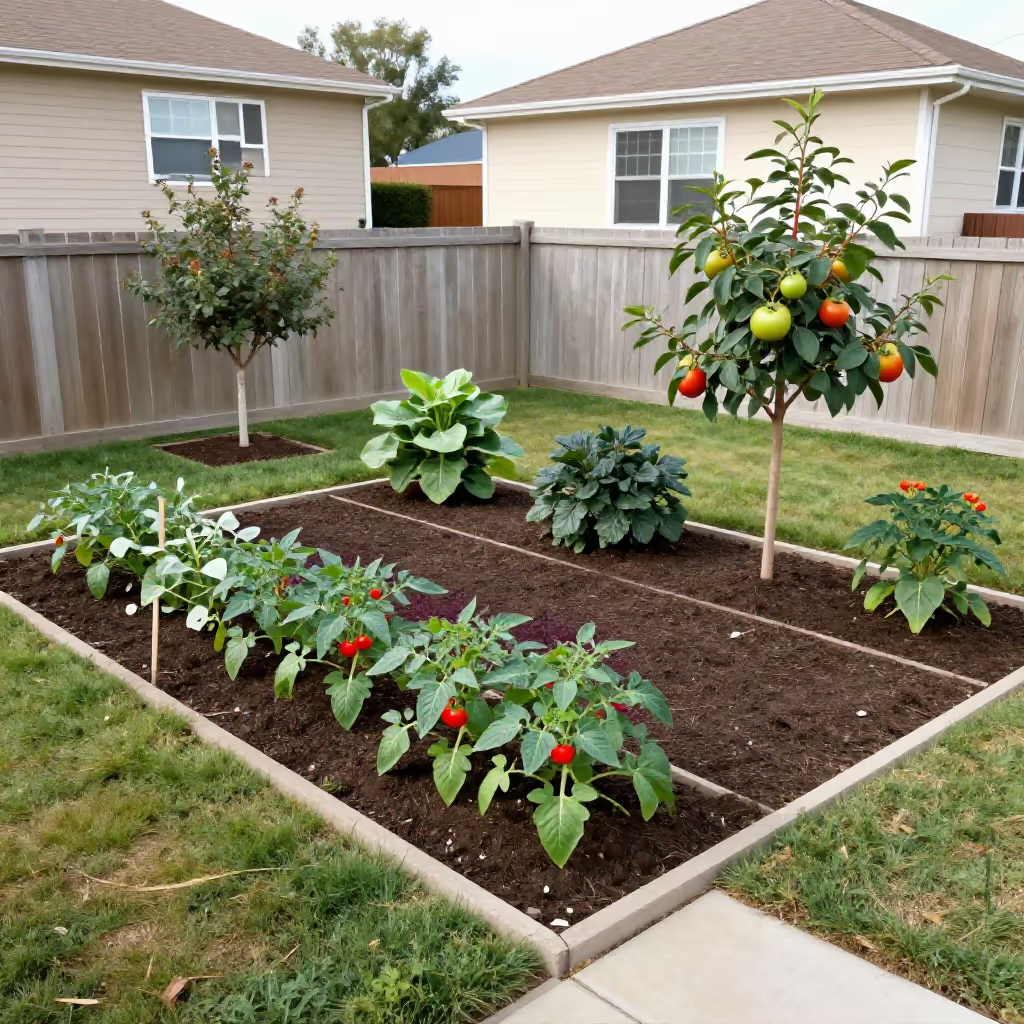
der Garten
garden
A defined piece of land, usually by a house, where plants such as flowers, vegetables, or fruit are grown.
EXAMPLE
Im Sommer sitzen wir oft im Garten und grillen.
In summer, we often sit in the garden and barbecue.
garden
Loading your saved state.
garden
A defined piece of land, usually by a house, where plants such as flowers, vegetables, or fruit are grown.
Im Sommer sitzen wir oft im Garten und grillen.
In summer, we often sit in the garden and barbecue.
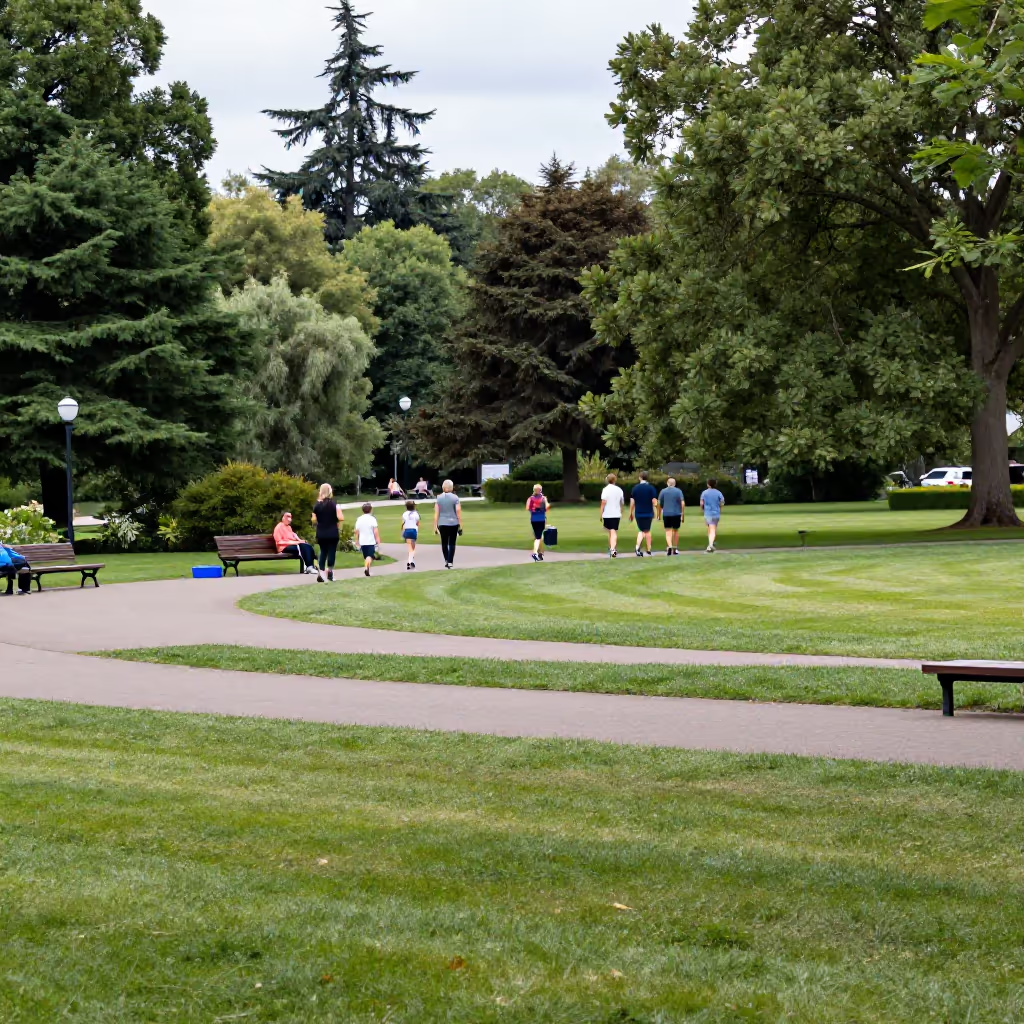
garden / park
A public park. This use is often found in proper names.
Der Botanische Garten ist am Wochenende immer gut besucht.
The Botanical Garden is always busy on weekends.
Pay attention to the preposition 'in' and the case. 'Im Garten' (in the garden, dative) describes a location, while 'in den Garten' (into the garden, accusative) expresses movement or direction.
Die Kinder spielen im Garten.
The children are playing in the garden.
'Garten' (garden) is a very productive word and forms many useful compounds. Examples are 'die Gartenarbeit' (gardening), 'der Gemüsegarten' (vegetable garden), or 'das Gartentor' (garden gate).
Am Wochenende mache ich immer die Gartenarbeit.
I always do the gardening on the weekend.
Common verbs associated with a private garden are 'im Garten arbeiten' (to work in the garden), 'im Garten sitzen' (to sit in the garden), 'im Garten grillen' (to barbecue in the garden), or 'Blumen pflanzen' (to plant flowers).
Mein Nachbar arbeitet jeden Tag in seinem Garten.
My neighbor works in his garden every day.
When 'Garten' (garden) is part of a proper name, as in 'Englischer Garten' (English Garden) or 'Botanischer Garten' (Botanical Garden), it almost always refers to a large public park.
Der Englische Garten in München ist weltberühmt.
The English Garden in Munich is world-famous.
park
Garten and Park can both refer to a public, planted area with paths and benches. Park is the general term for such a public green space, while Garten here refers more to an area designed like a garden or named as one. Use Park generally and Garten especially in names.
Am Nachmittag besuchen wir den Botanischen Garten mit seinen vielen Blumen.
In the afternoon, we visit the Botanical Garden with its many flowers.
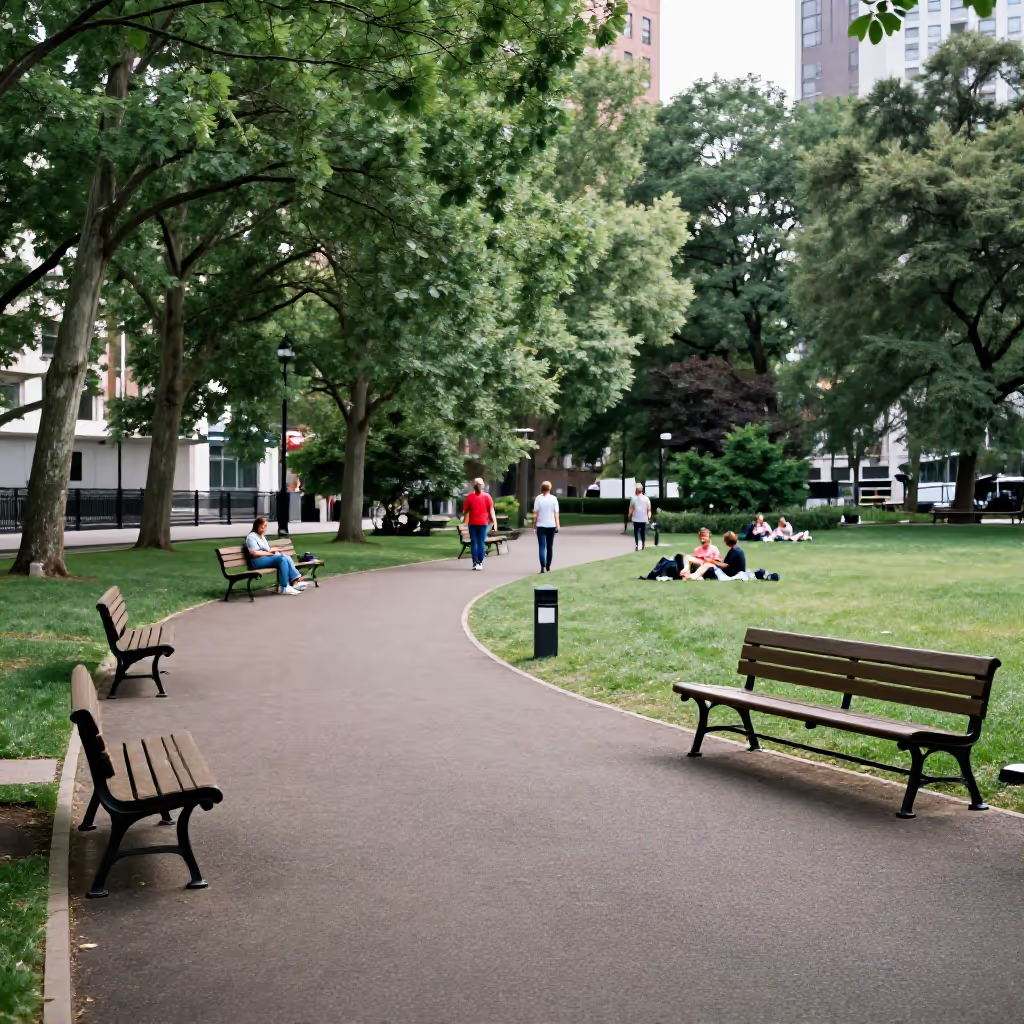
Am Nachmittag besuchen wir den Stadtpark mit seinen vielen Bäumen.
In the afternoon, we visit the city park with its many trees.