

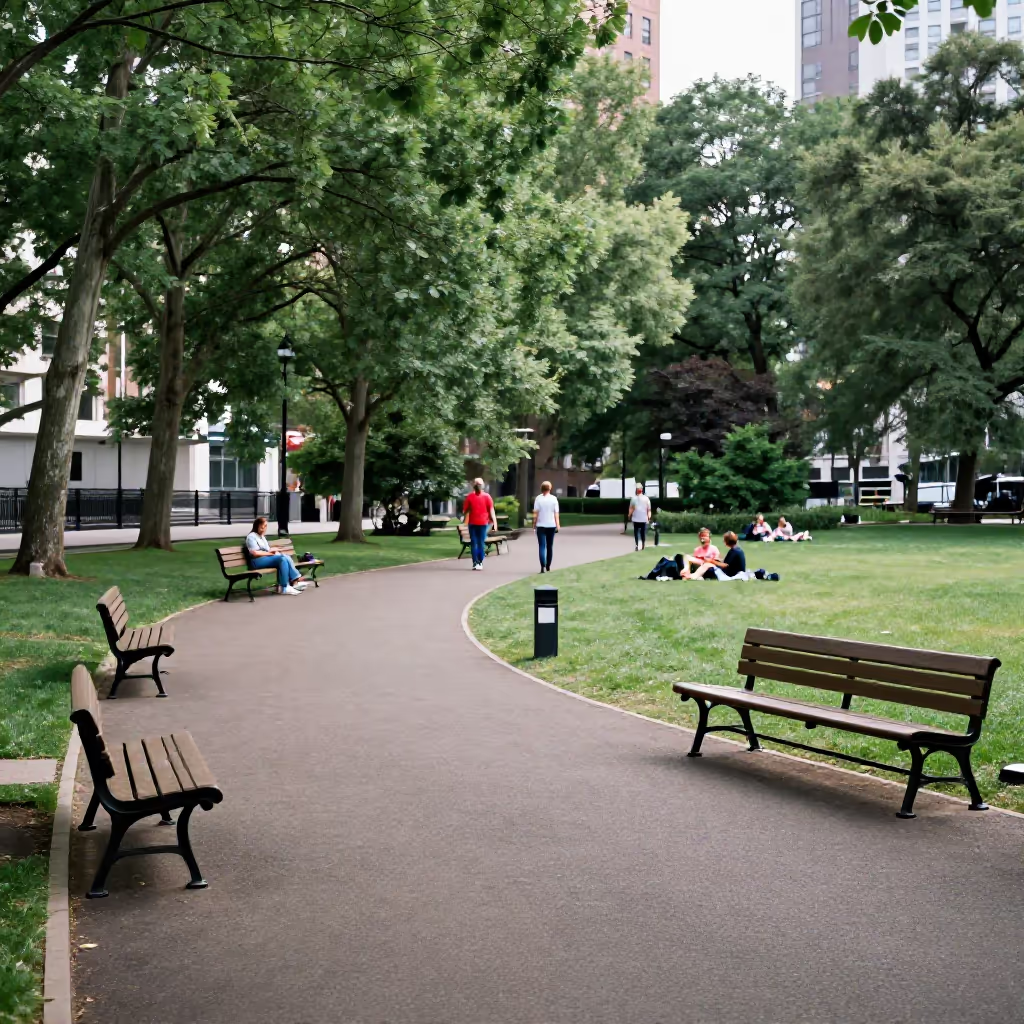
der Park
park
A public green space, usually within a city, with paths, trees, and benches, used for recreation.
EXAMPLE
Am Wochenende gehen wir oft im Park spazieren.
On weekends, we often go for a walk in the park.
park
Loading your saved state.
park
A public green space, usually within a city, with paths, trees, and benches, used for recreation.
Am Wochenende gehen wir oft im Park spazieren.
On weekends, we often go for a walk in the park.
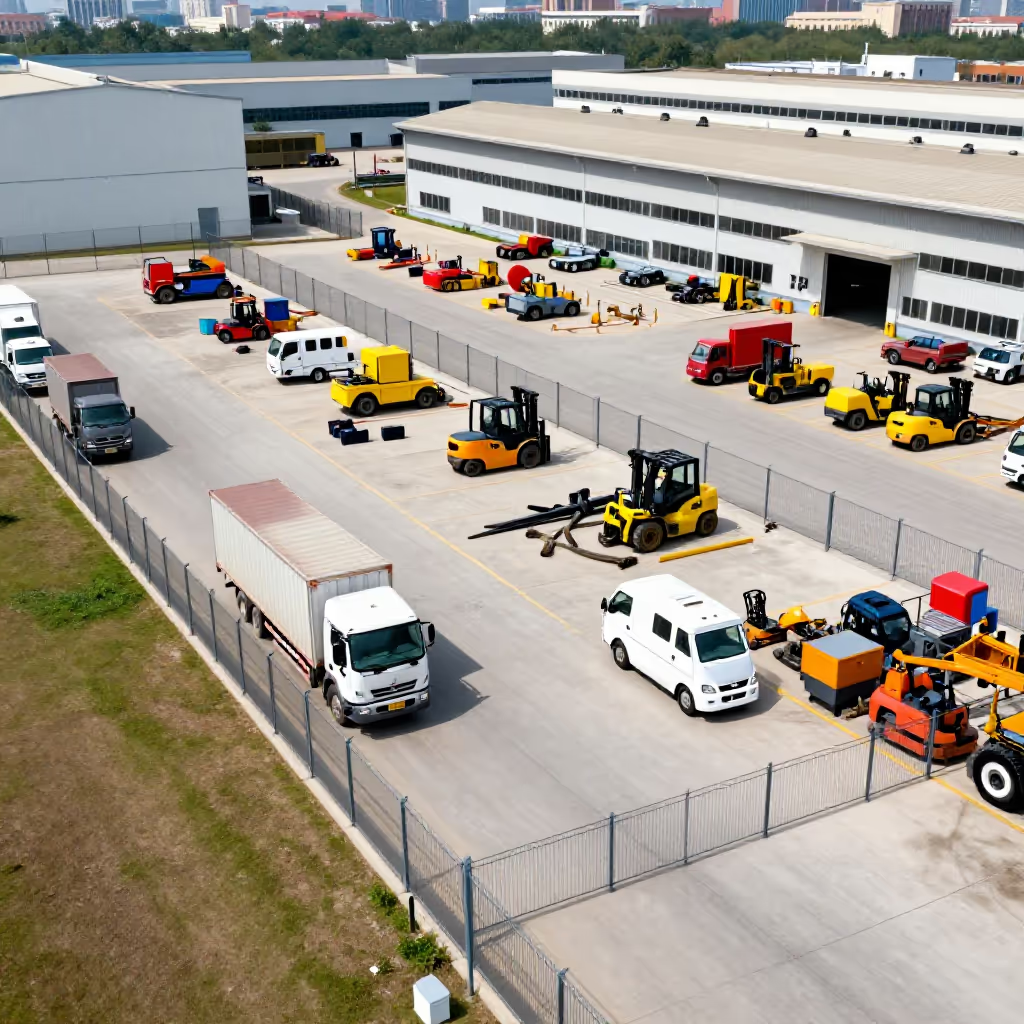
park
A defined area intended for a specific activity or purpose.
Der neue Industriepark hat viele Arbeitsplätze geschaffen.
The new industrial park has created many jobs.
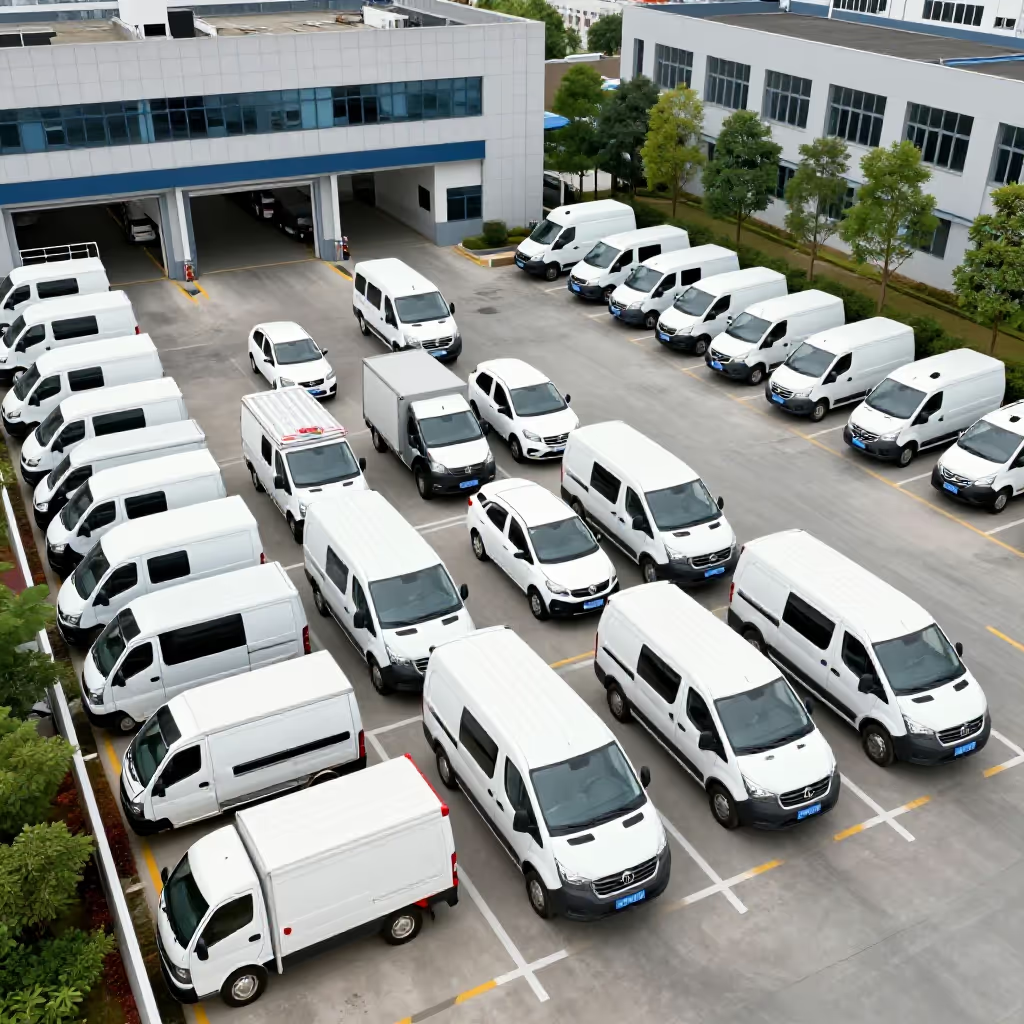
fleet
The entire stock of vehicles or larger pieces of equipment belonging to a company or organization.
Die Spedition hat ihren Park um zehn neue Lastwagen erweitert.
The freight company expanded its fleet by ten new trucks.
The German noun 'der Park' (park) refers to a place. It is not the verb for the action of leaving a car somewhere. The corresponding German verb is 'parken' (to park).
Ich parke mein Auto immer in der Nähe vom Stadtpark.
I always park my car near the city park.
When indicating location, the case is crucial: You go 'in den Park' (into the park; direction, accusative), but you are already 'im Park' (in the park; location, dative).
Lass uns am Nachmittag in den Park gehen.
Let's go to the park in the afternoon.
In the meaning 'defined area', 'Park' (park) is almost always used as part of a compound word. These words describe the purpose of the area.
Am Wochenende fahren wir in einen Freizeitpark.
We're going to an amusement park on the weekend.
The meaning 'stock of vehicles' is used almost exclusively in the word 'der Fuhrpark' (vehicle fleet). This word refers to all the vehicles belonging to a company.
Die Firma modernisiert ihren Fuhrpark und kauft Elektroautos.
The company is modernizing its fleet and buying electric cars.
garden
Garten and Park can both refer to a public, planted area with paths and benches. Park is the general term for such a public green space, while Garten here refers more to an area designed like a garden or named as one. Use Park generally and Garten especially in names.
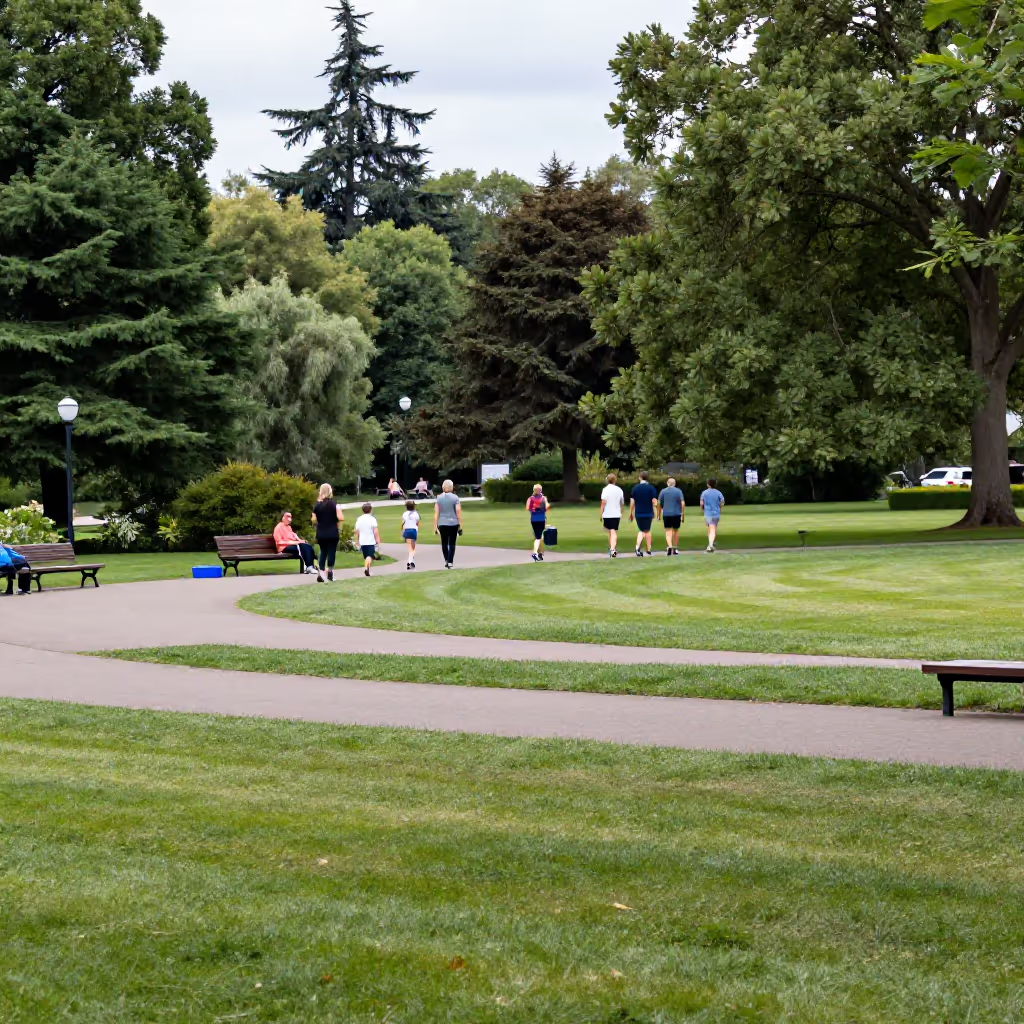
Am Nachmittag besuchen wir den Stadtpark mit seinen vielen Bäumen.
In the afternoon, we visit the city park with its many trees.
Am Nachmittag besuchen wir den Botanischen Garten mit seinen vielen Blumen.
In the afternoon, we visit the Botanical Garden with its many flowers.