Colloquial, often derogatory term for a horse, especially an old, worn-out, or poor workhorse. However, the term can also be used neutrally or jokingly.
example
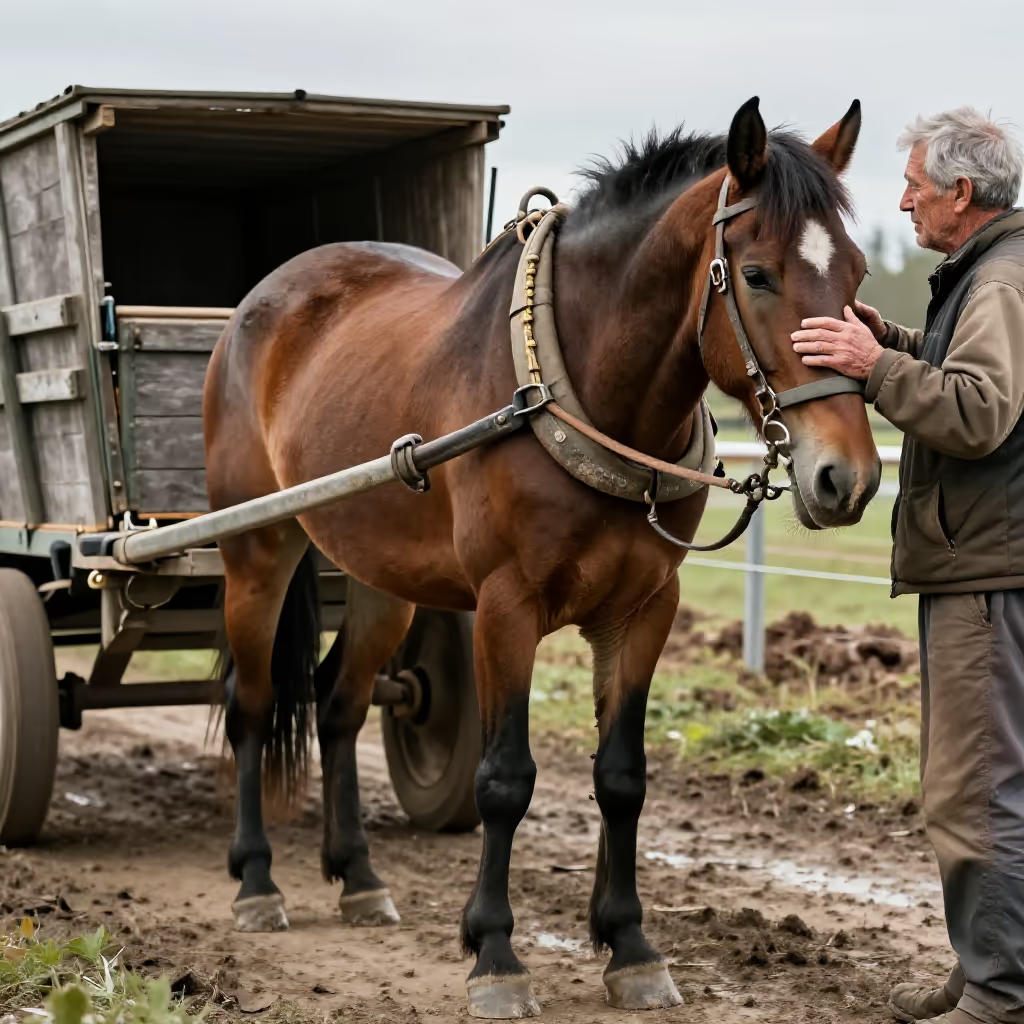
Der alte Bauer spannte seinen Gaul vor den Karren.
The old farmer hitched his nag to the cart.

Usage tips
Register and style
'Gaul' (nag) is a colloquial word for horse and often has a derogatory meaning for an old or weak animal. However, it can also be meant jokingly or affectionately.
EXAMPLE
Der alte Bauer nannte sein Pferd liebevoll „meinen treuen Gaul“.
The old farmer affectionately called his horse 'my faithful nag'.
Fixed expression
The word is part of the well-known proverb 'Einem geschenkten Gaul schaut man nicht ins Maul' (Don't look a gift horse in the mouth). It means you should not criticize a gift.
EXAMPLE
Die Jacke ist nicht perfekt, aber einem geschenkten Gaul schaut man nicht ins Maul.
The jacket isn't perfect, but you shouldn't look a gift horse in the mouth.
Context clue
When 'Gaul' (knight) is used in the context of chess, it means the knight piece. Words like 'Schachbrett' (chessboard), 'Zug' (move), or 'Figur' (piece) make the meaning clear.
EXAMPLE
Er hat seinen Gaul geopfert, um die Dame zu schlagen.
He sacrificed his knight in order to capture the queen.
Compare with
near_synonym
Gaul vs Pferd
horse
'das Pferd' and 'der Gaul' can both refer to the same animal. 'Pferd' is neutral and fits in almost all situations. 'Gaul' is colloquial and often sounds derogatory, especially when the animal seems old, sluggish, or poorly cared for. Sometimes 'Gaul' is also used jokingly. In chess, 'Gaul' can also be a colloquial term for the piece otherwise called 'Pferd' or 'Springer'. In normal or polite situations, 'Pferd' is the safe choice.
Gaul
Der alte Gaul zog den Wagen langsam über den Feldweg.
The old nag slowly pulled the cart along the field path.
Pferd
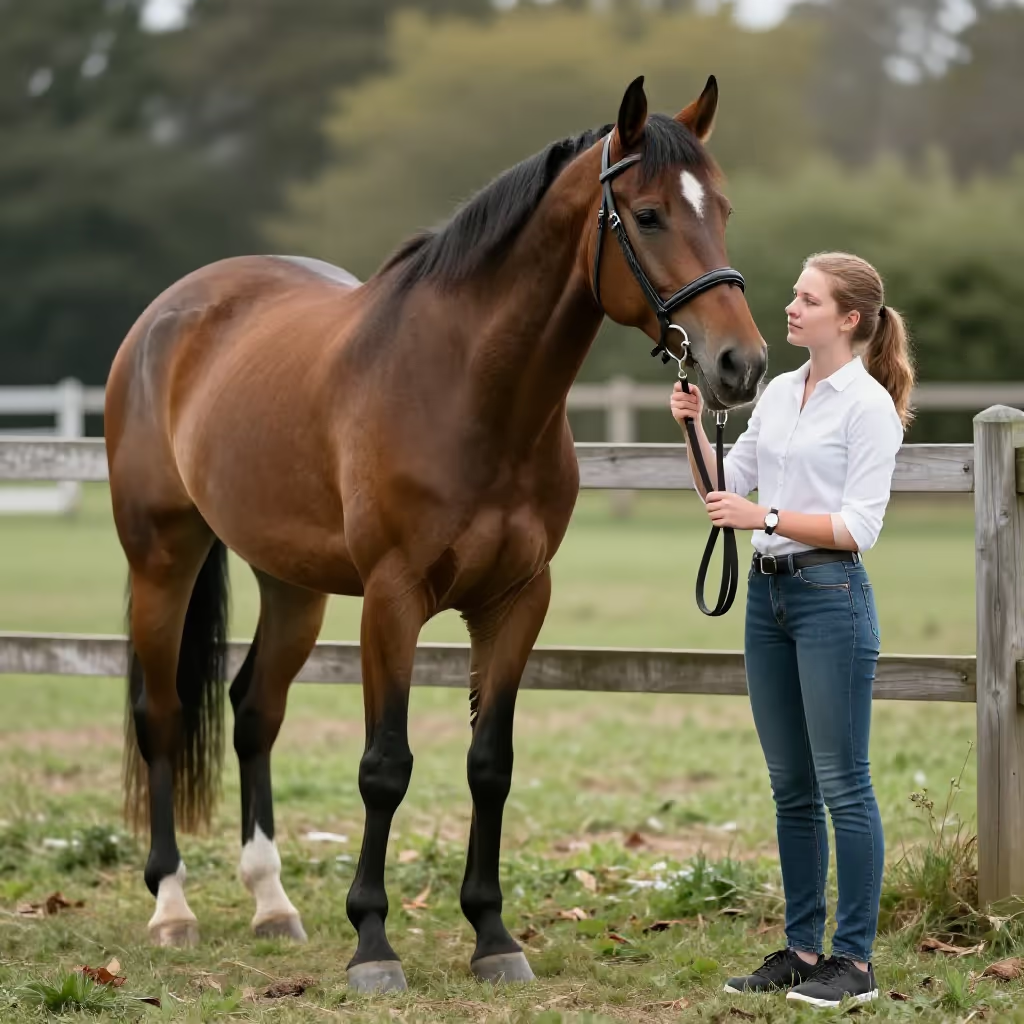
Für den Reitkurs hat Lisa ein ruhiges Pferd bekommen.
For the riding course, Lisa was given a calm horse.