

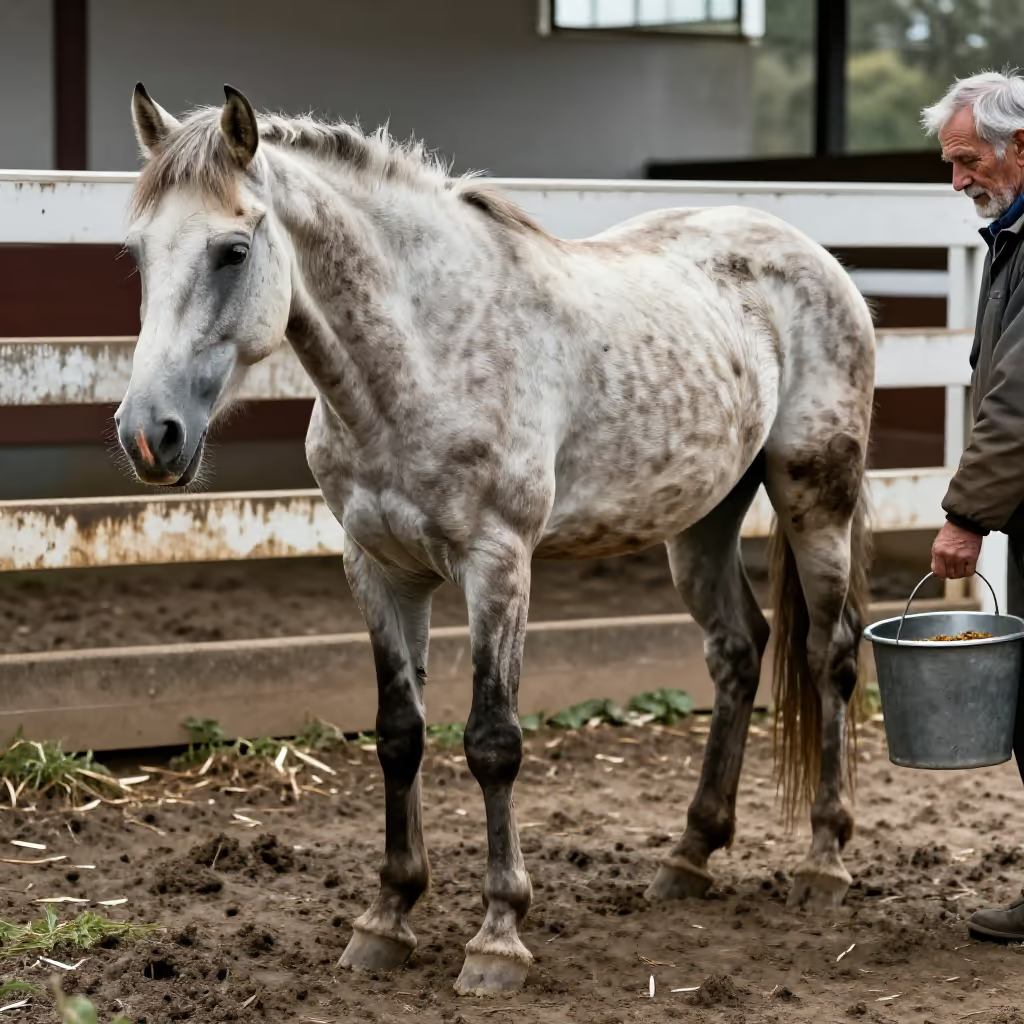
die Mähre
nag
An old, emaciated, or weak horse.
EXAMPLE
Der Bauer spannte die alte Mähre vor den Pflug.
The farmer hitched the old nag to the plow.
nag / hag
Loading your saved state.
nag
An old, emaciated, or weak horse.
Der Bauer spannte die alte Mähre vor den Pflug.
The farmer hitched the old nag to the plow.

hag
An outdated, derogatory term for a quarrelsome, unpleasant woman.
Er beschimpfte seine Nachbarin als streitsüchtige Mähre.
He insulted his neighbor by calling her a quarrelsome hag.
'Mähre' (nag/hag) is an outdated word in both meanings. It is hardly used in modern everyday language and sounds archaic or literary.
In dem alten Roman ritt der Held auf einer müden Mähre.
In the old novel, the hero rode on a tired nag.
When the word refers to a woman, it is a very derogatory and strong insult. It should under no circumstances be used as a joke.
Er war so wütend, dass er sie eine böse Mähre nannte.
He was so angry that he called her an evil hag.
The meaning becomes clear from the context. If it is about animals, farms, or historical stories, it refers to the old horse. If the word appears as an insult in an argument, it has the insulting meaning for a woman.
Der alte Gaul war nur noch eine knochige Mähre.
The old horse was nothing but a bony nag.
nag / knight
Both words can refer derogatorily to a bad or old horse. “Der Gaul” is a general colloquial term for a horse and can also be meant jokingly; “die Mähre” specifically refers to an old, emaciated, or weak animal. When there is clear physical weakness, “Mähre” is more precise.
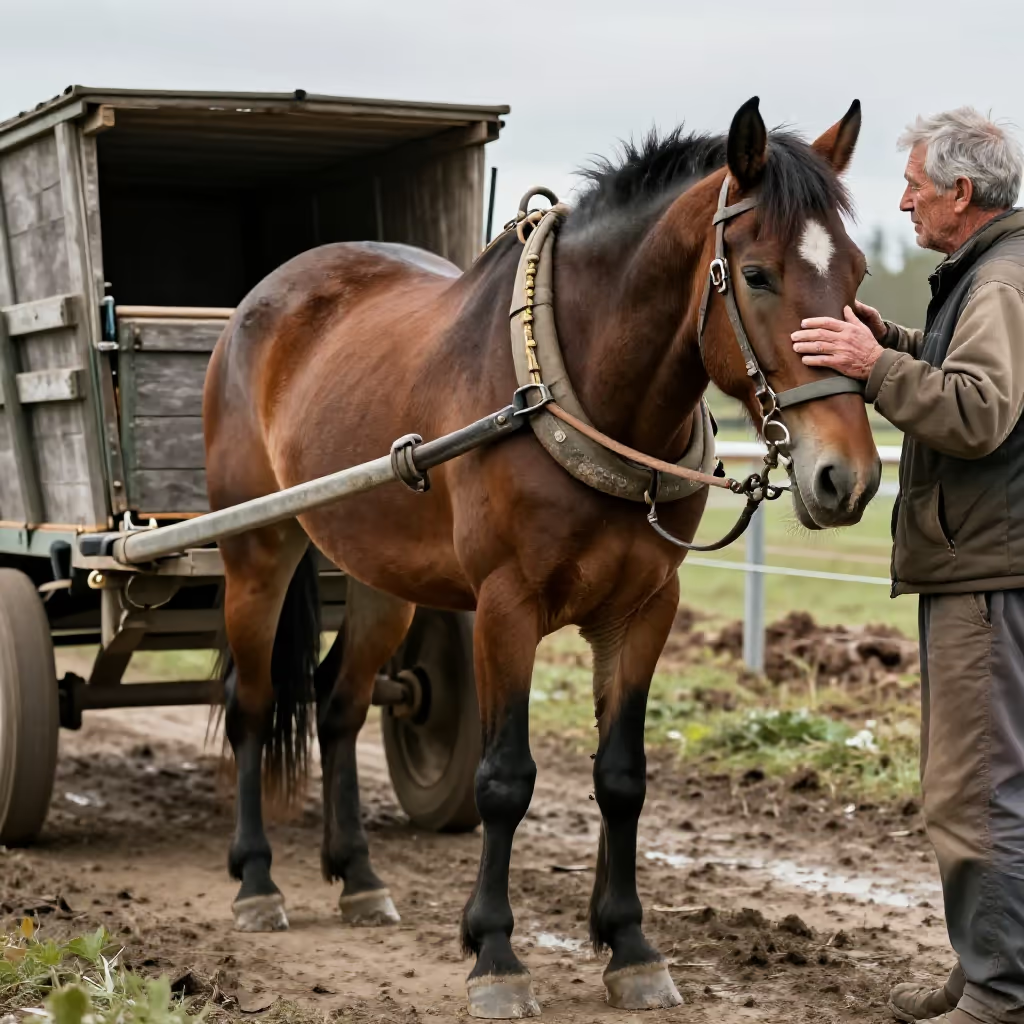
Die alte, abgemagerte Mähre konnte den schweren Wagen kaum noch ziehen.
The old, emaciated nag could barely pull the heavy cart anymore.
Der alte Gaul zog den Wagen langsam über den Hof.
The old nag slowly pulled the cart across the yard.