


geehrt
dear
Used as a form of address in formal letters or speeches to express respect.
EXAMPLE
Sehr geehrte Frau Schmidt, anbei sende ich Ihnen die gewünschten Unterlagen.
Dear Ms. Schmidt, attached I am sending you the requested documents.
honored
Loading your saved state.
dear
Used as a form of address in formal letters or speeches to express respect.
Sehr geehrte Frau Schmidt, anbei sende ich Ihnen die gewünschten Unterlagen.
Dear Ms. Schmidt, attached I am sending you the requested documents.
to feel honored
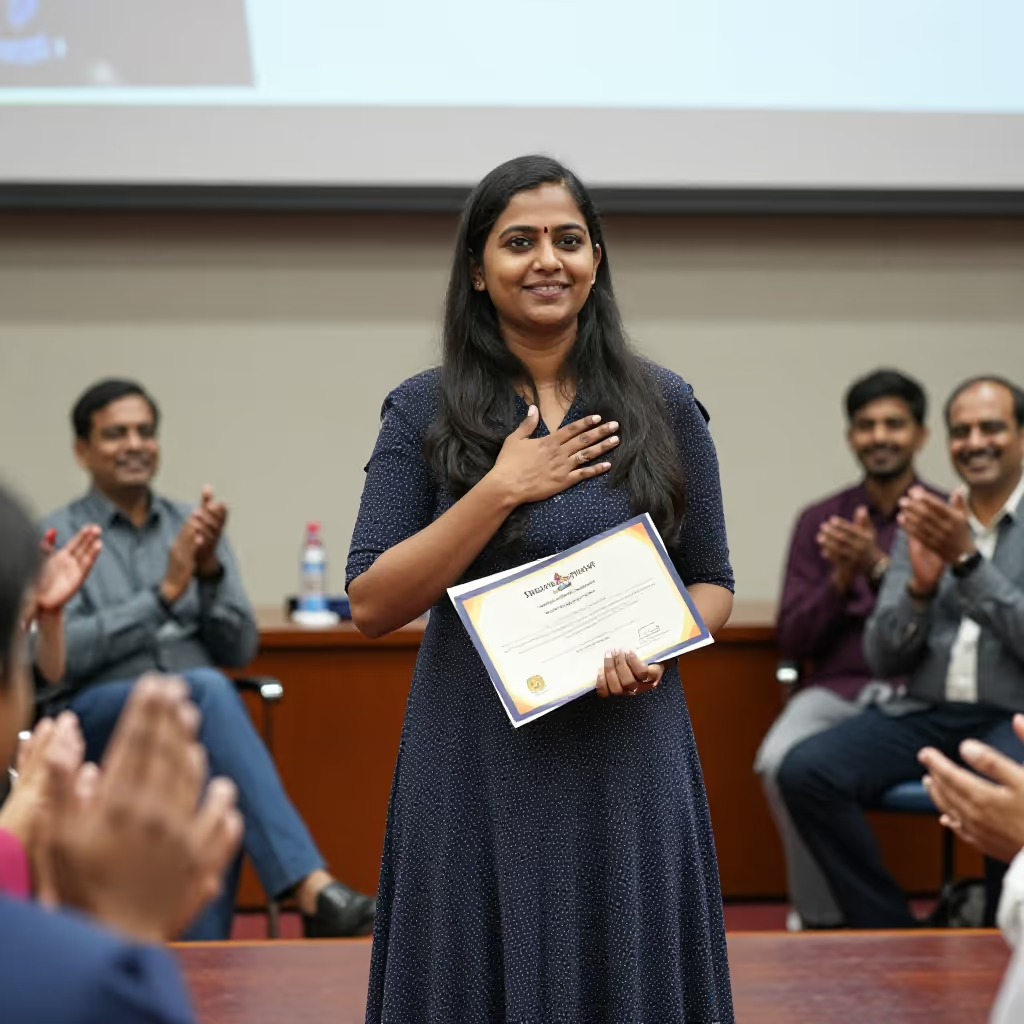
To express that one feels appreciated and pleased by an action, an award, or an invitation.
Ich fühle mich sehr geehrt, bei Ihrer Hochzeit eine Rede halten zu dürfen.
I feel very honored to be allowed to give a speech at your wedding.
honored
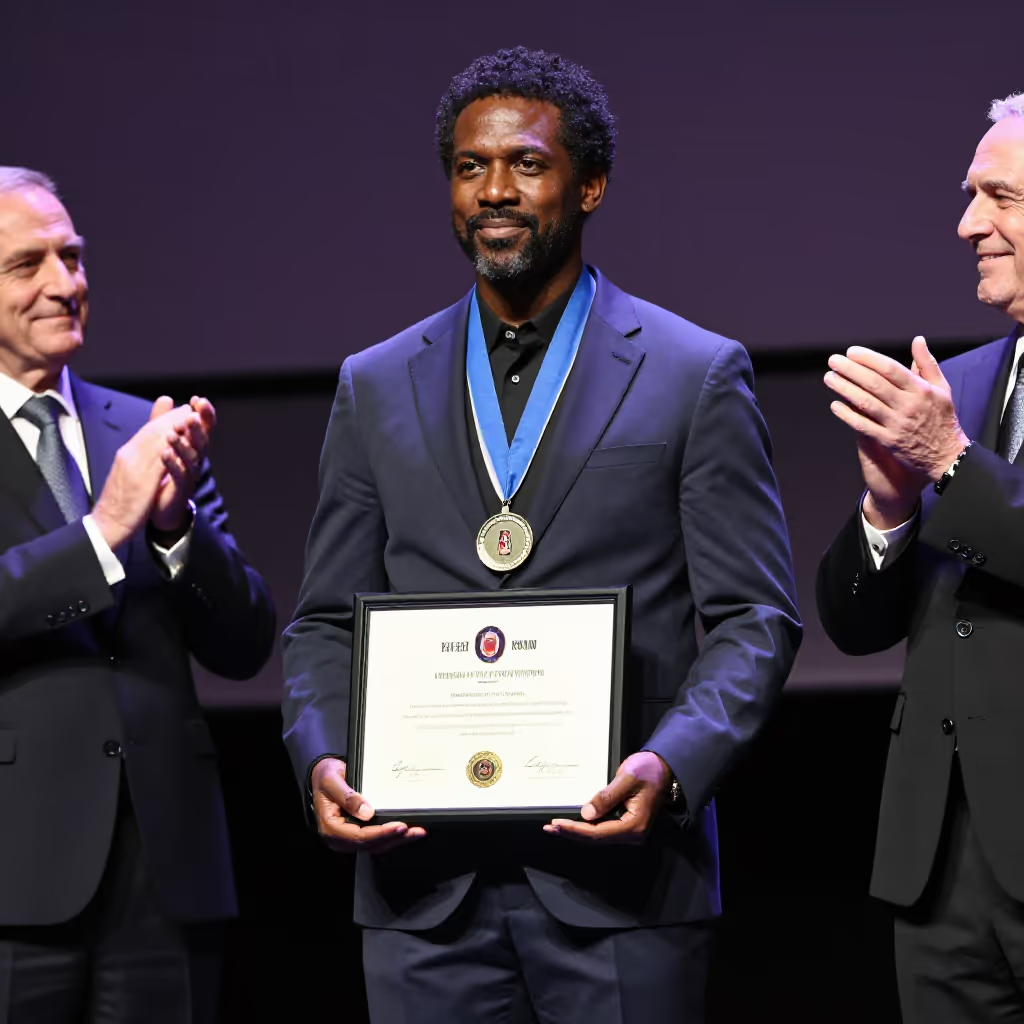
Describes a person who has received an official honor or award.
Der geehrte Autor las aus seinem preisgekrönten Roman.
The honored author read from his award-winning novel.
'Geehrt' (honored) is the past participle of the verb 'ehren' (to honor). All meanings of the adjective derive from the basic idea of showing someone honor or respect.
Die Soldatin wurde für ihren Mut geehrt.
The female soldier was honored for her courage.
The phrase 'Sehr geehrte...' (Dear...) is a fixed formula for the salutation in formal letters and emails. The adjective ending adapts to the gender and number of the people being addressed.
Sehr geehrter Herr Professor, ...
Dear Professor, ...
The expression 'sich geehrt fühlen' (to feel honored) is a fixed reflexive phrase. It expresses that one experiences a gesture or invitation as a sign of great appreciation.
Ich fühle mich geehrt, dass Sie mich um meine Meinung fragen.
I feel honored that you are asking me for my opinion.
excellent / awarded
Both words can describe a person after official recognition. „Ausgezeichnet“ more strongly suggests that a prize, medal, or similar award was given. „Geehrt“ is broader and also fits an official tribute without a specific prize.

Der langjährige Lehrer wurde bei der Feier für seinen Einsatz geehrt.
The longtime teacher was honored at the ceremony for his dedication.
Die Sportlerin wurde für ihren Sieg mit einer Goldmedaille ausgezeichnet.
The athlete was awarded a gold medal for her victory.