

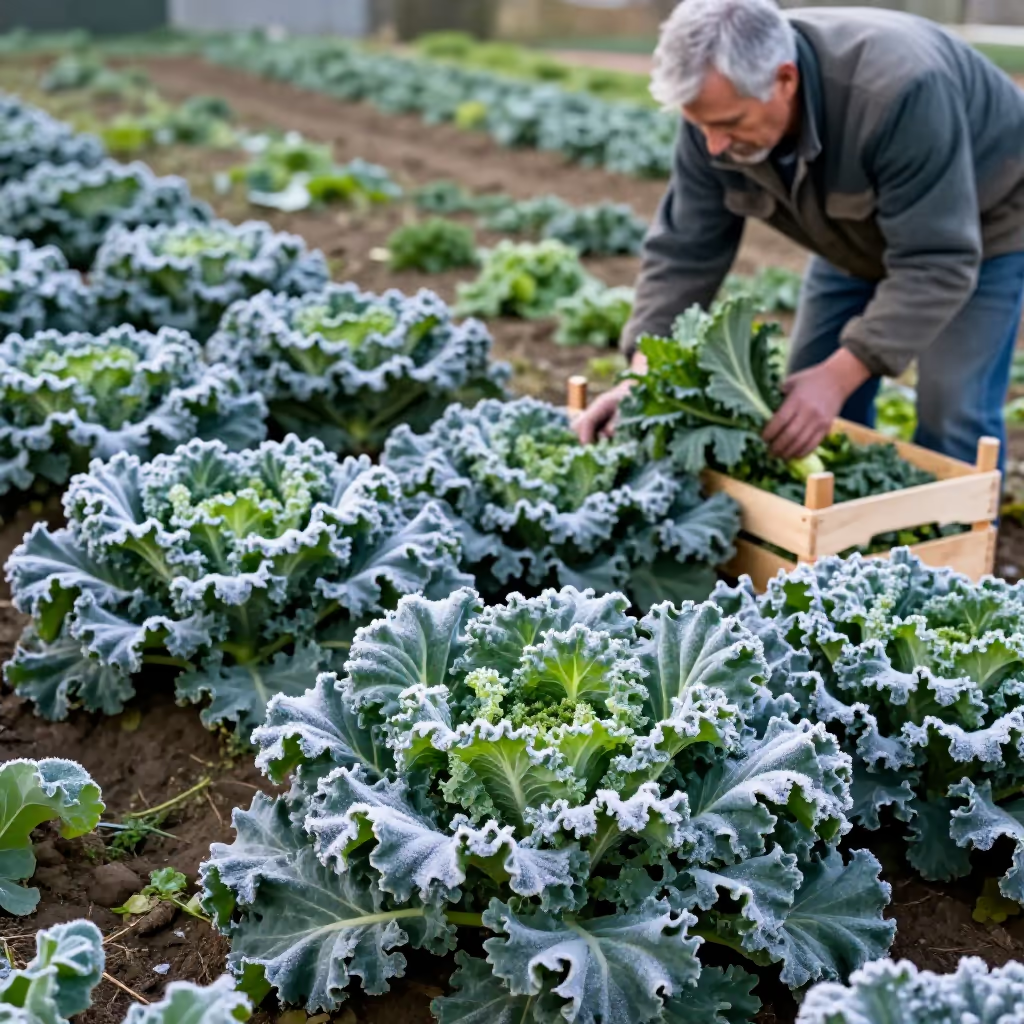
der Grünkohl
kale
A type of cabbage with curly green leaves that is harvested mainly in winter.
EXAMPLE
Im Garten bauen wir unseren eigenen Grünkohl an.
We grow our own kale in the garden.
kale
Loading your saved state.
kale
A type of cabbage with curly green leaves that is harvested mainly in winter.
Im Garten bauen wir unseren eigenen Grünkohl an.
We grow our own kale in the garden.
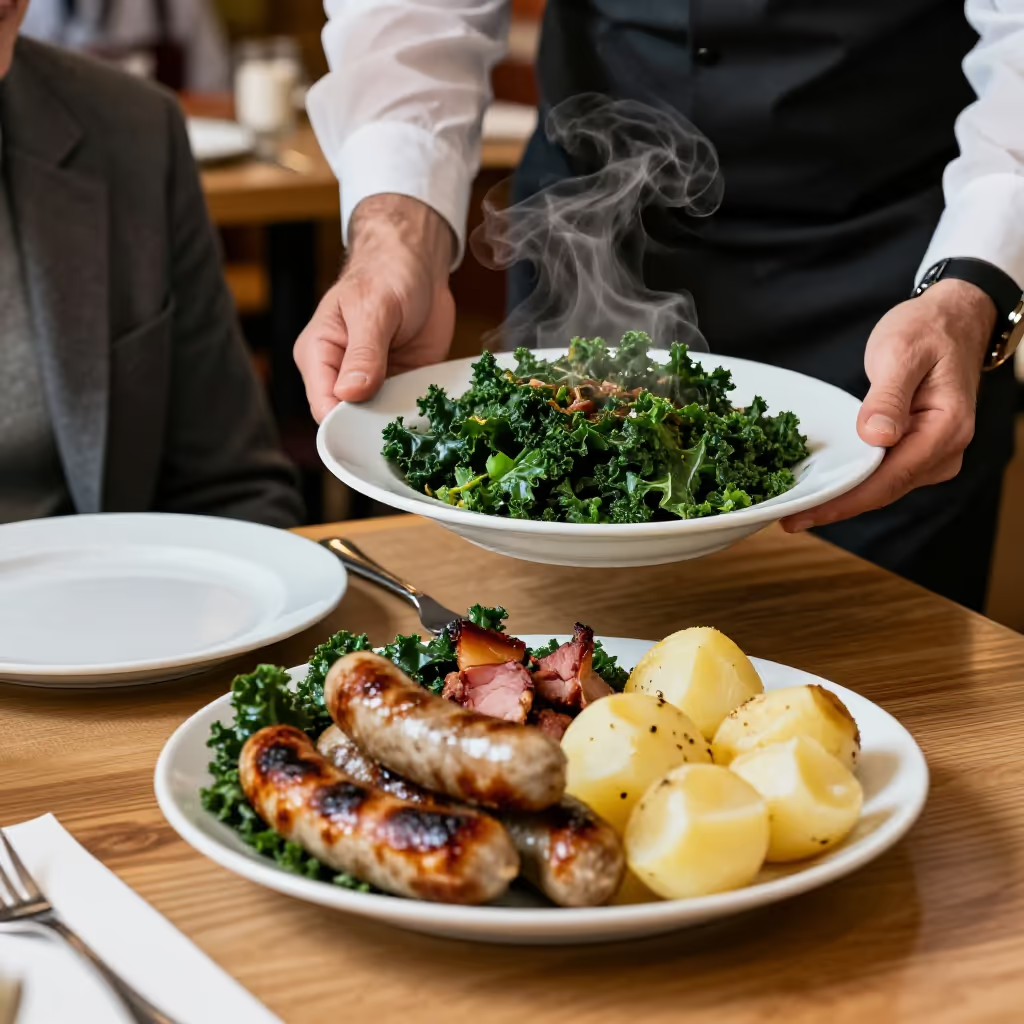
kale dish
A hearty dish cooked from the vegetable of the same name. It is a specialty in northern Germany and is often served with sausage or meat.
Im Winter essen wir traditionell Grünkohl mit Pinkel.
In winter, we traditionally eat kale with Pinkel sausage.
'Grünkohl' (kale) is a compound word made up of the adjective 'grün' (green) and the noun 'der Kohl' (cabbage). So it literally describes a green type of cabbage.
Für das Rezept benötigst du frischen Grünkohl vom Markt.
For the recipe, you need fresh kale from the market.
The word has two meanings: the vegetable and the dish. The context makes the difference clear: verbs like 'anbauen' (to grow) or 'ernten' (to harvest) refer to the vegetable, while verbs like 'essen' (to eat) or 'kochen' (to cook) point to the dish.
Im Herbst ernten wir den Grünkohl im Garten.
In autumn, we harvest the kale in the garden.
The dish 'Grünkohl' (kale) is a well-known northern German specialty that is traditionally eaten in winter. It is often served as a hearty meal with sausage or smoked meat.
Eine „Grünkohlfahrt“ ist in Norddeutschland ein beliebter Winterbrauch.
A 'Grünkohlfahrt' (kale outing) is a popular winter tradition in northern Germany.
When 'Grünkohl' (kale) refers to the dish, it is often used without an article, like other foods. You say 'Ich esse Grünkohl' (I'm eating kale) and not 'Ich esse den Grünkohl' (I'm eating the kale), unless you mean a specific portion.
Möchtest du auch Grünkohl probieren?
Would you like to try some kale too?