

die Hacke
hoe
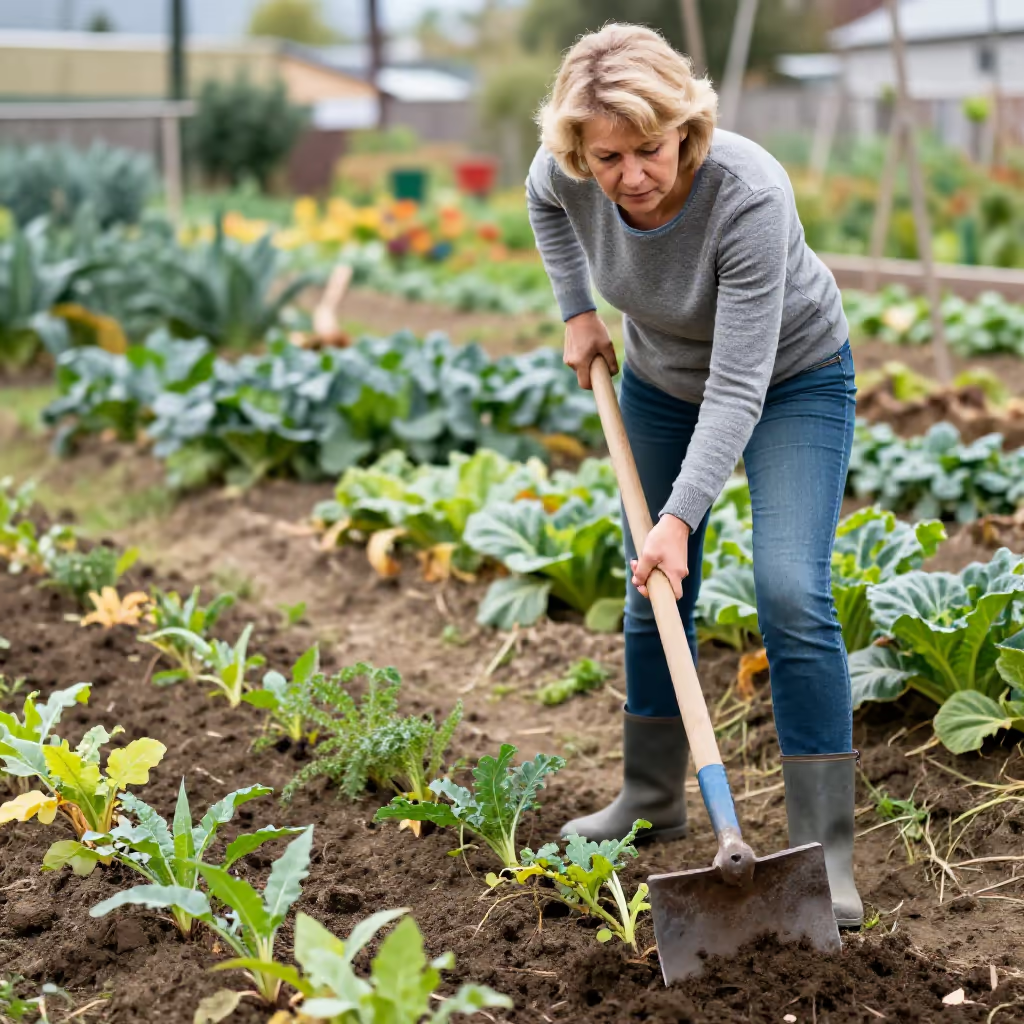
A gardening tool with a metal blade attached at a right angle to a long handle, used for loosening soil and removing weeds.
Mit der Hacke lockerte er die Erde im Gemüsebeet auf.
He loosened the soil in the vegetable bed with the hoe.
hoe / heel
Loading your saved state.
hoe
A gardening tool with a metal blade attached at a right angle to a long handle, used for loosening soil and removing weeds.
Mit der Hacke lockerte er die Erde im Gemüsebeet auf.
He loosened the soil in the vegetable bed with the hoe.

The two meanings are easy to distinguish by context. If people are talking about gardening, tools, or the ground, the gardening tool is meant. If it is about the body, the foot, or pain, the body part is meant.
Ich brauche eine neue Hacke für das Unkraut im Garten.
I need a new hoe for the weeds in the garden.
The noun 'die Hacke' (hoe/tool) is directly connected with the verb 'hacken' (to hoe/chop). 'Hacken' means to strike the ground with a hoe or a similar tool.
Im Frühling müssen wir den ganzen Garten umgraben und hacken.
In spring we have to dig up and hoe the whole garden.
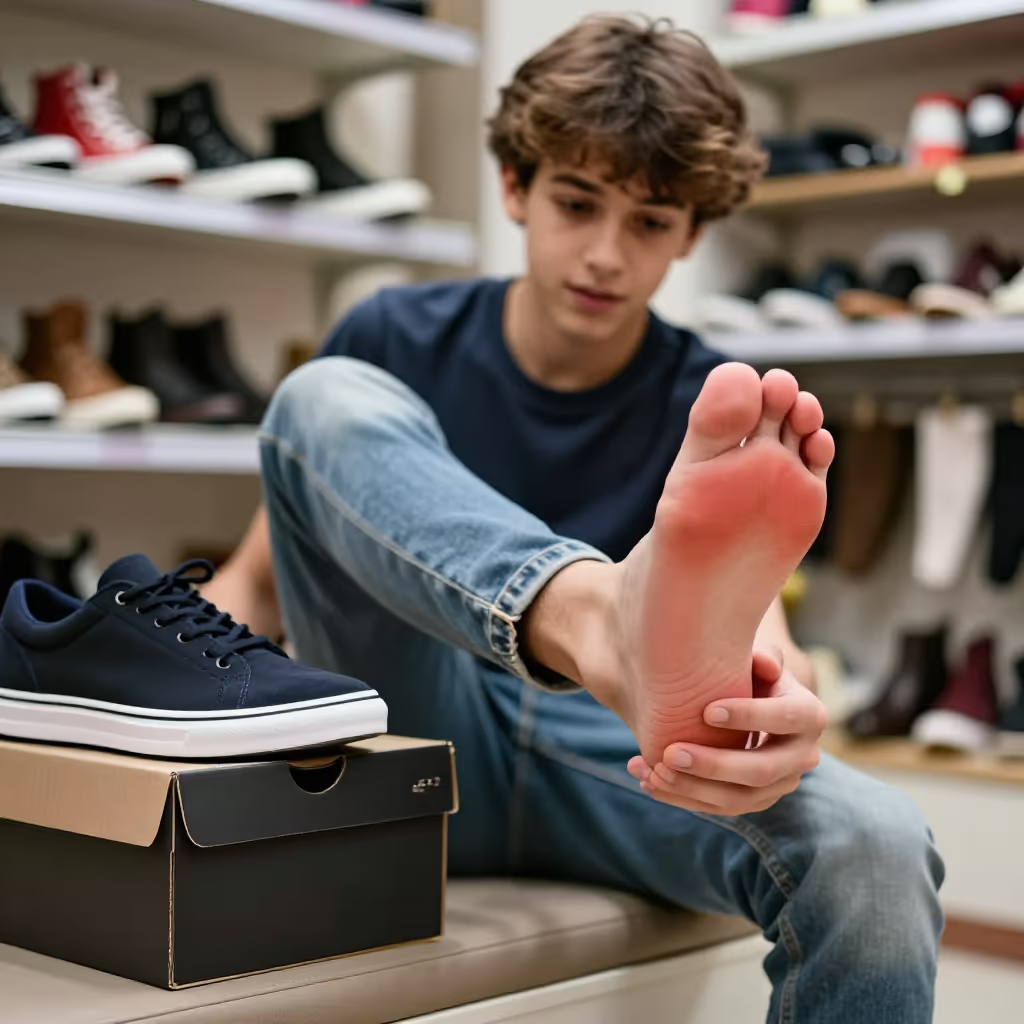
Using 'Hacke' for the back part of the foot is colloquial. In standard language, and especially in medical contexts, this body part is called 'die Ferse' (heel).
Autsch, ich habe mir die Hacke am Stuhl gestoßen!
Ouch, I bumped my heel on the chair!
heel
'Ferse' and 'Hacke' can both mean the back part of the foot. 'Ferse' is the normal word and is understood everywhere, especially in neutral or medical language. 'Hacke' is used in this meaning more colloquially or regionally. Learners may confuse the words because in some situations they refer to the same body part. 'Ferse' is usually the safer choice. 'Hacke' fits better in everyday speech when people in that region say it that way.

Meine neuen Schuhe drücken hinten an der Hacke.
My new shoes pinch at the back of my heel.
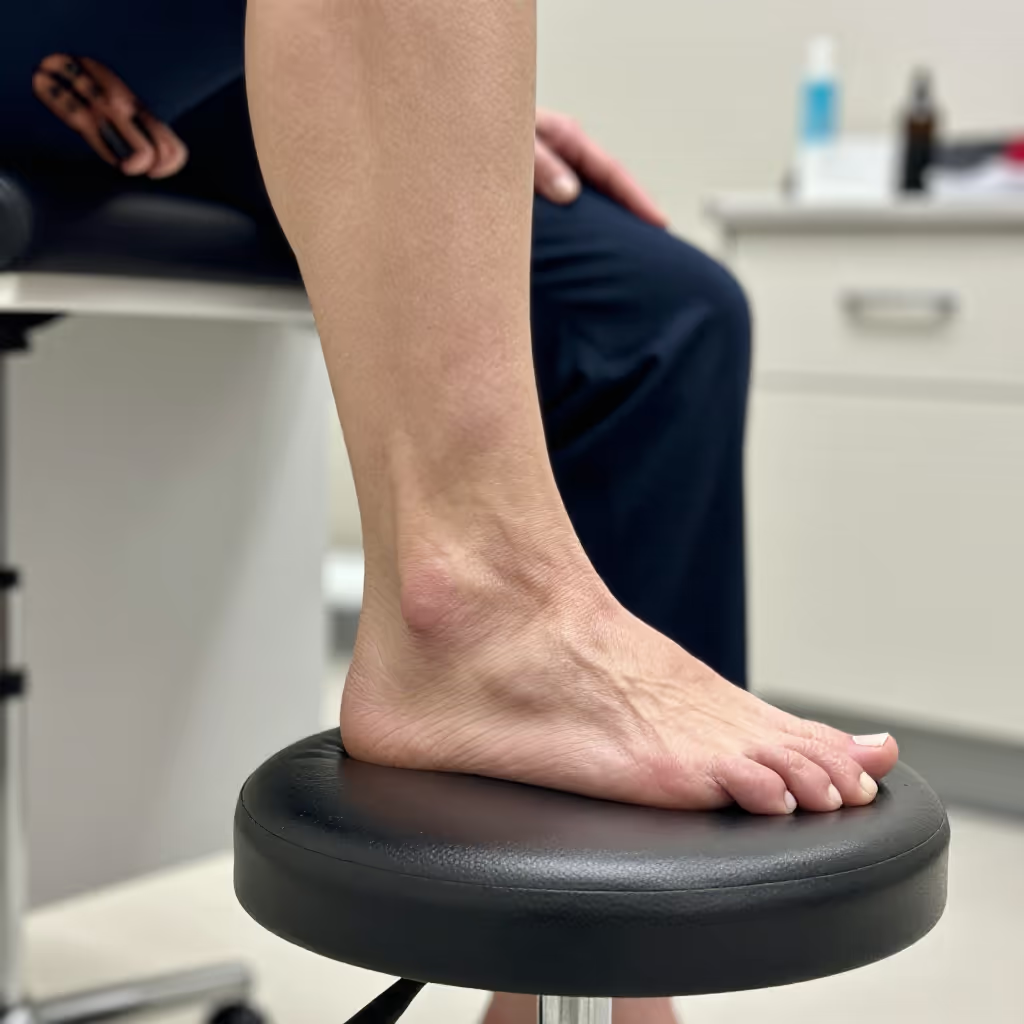
Die Ärztin untersucht die Ferse, weil sie seit Tagen beim Gehen schmerzt.
The doctor examines the heel because it has been hurting when walking for days.