das Gras
grass
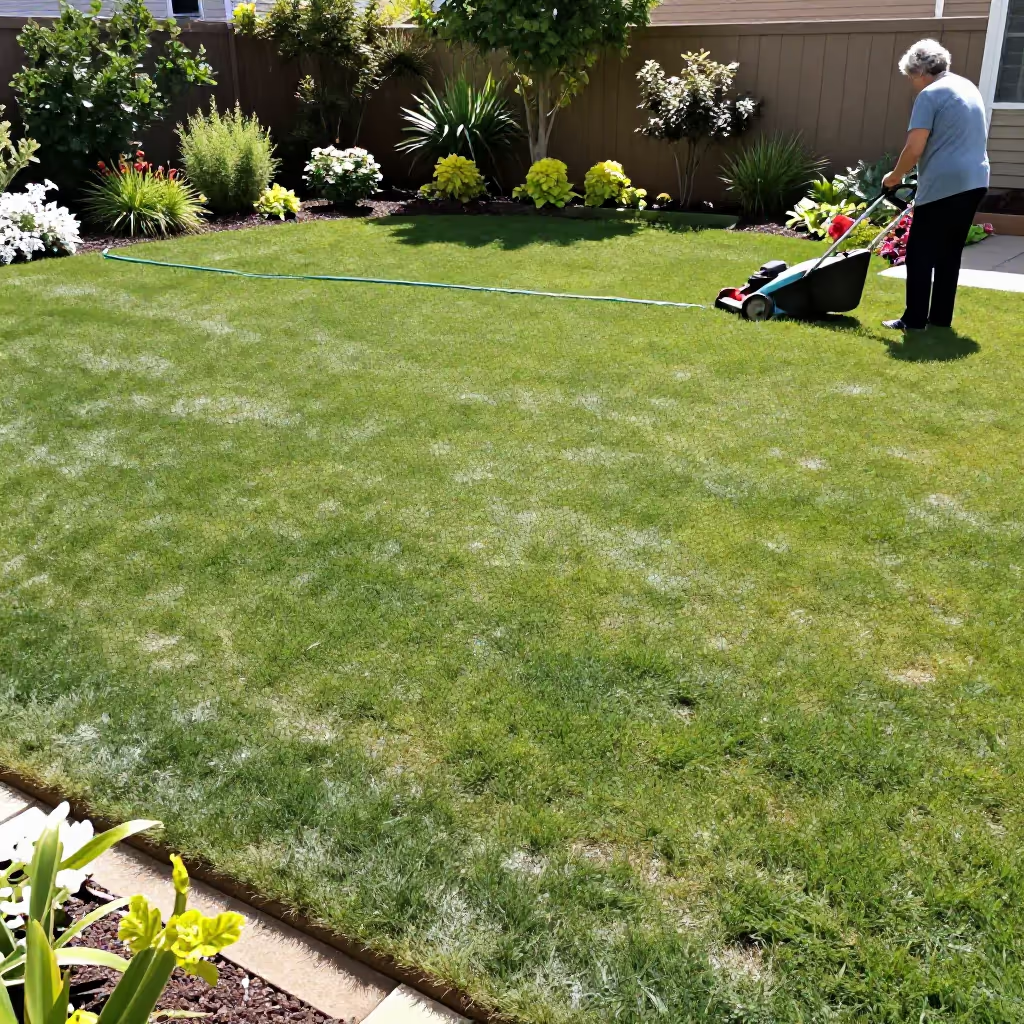
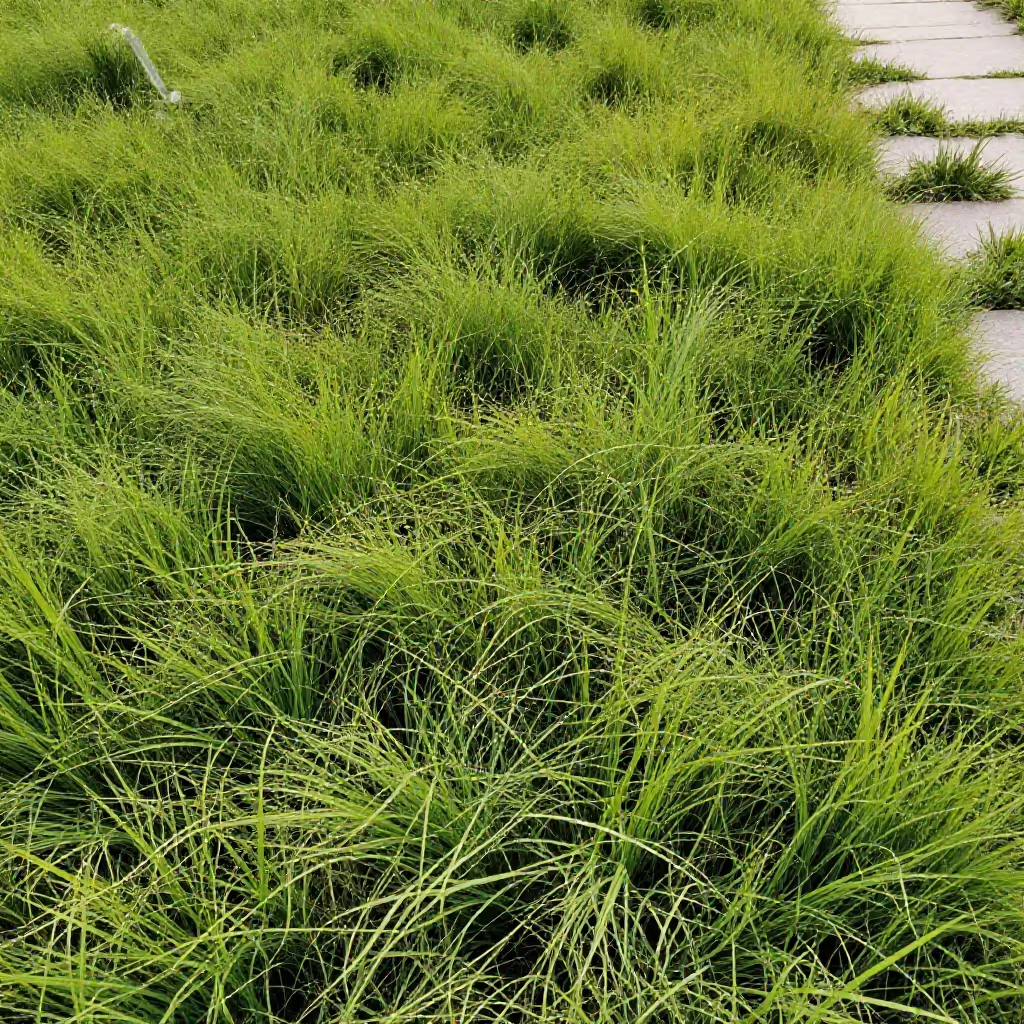
Refers to a group of plants with long, narrow green leaves that typically grow in meadows, in gardens, and as feed for animals.
Die Kinder spielen auf dem frisch gemähten Gras.
The children are playing on the freshly mown grass.

grass
Loading your saved state.
grass
Refers to a group of plants with long, narrow green leaves that typically grow in meadows, in gardens, and as feed for animals.
Die Kinder spielen auf dem frisch gemähten Gras.
The children are playing on the freshly mown grass.

In its main meaning, 'Gras' (grass) is usually an uncountable noun. When speaking generally about the plant, it is used in the singular and often without an article.
Im Frühling wächst das Gras besonders schnell.
In spring, the grass grows especially quickly.
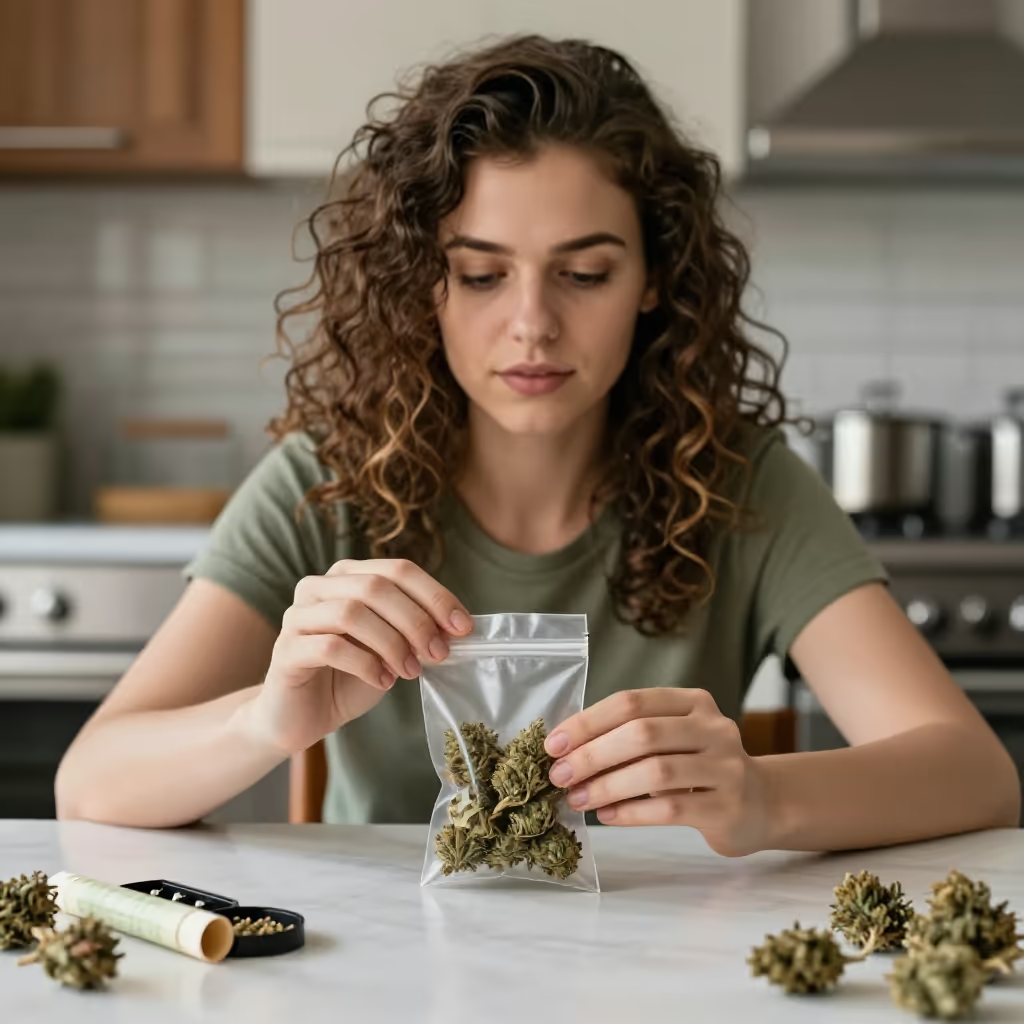
The meaning 'Marihuana' (marijuana) is colloquial. You can recognize it from context, for example through verbs like 'rauchen' (to smoke), 'kaufen' (to buy), or in connection with police and laws.
Er wurde von der Polizei erwischt, weil er Gras verkaufte.
He was caught by the police because he was selling weed.
The idiom 'ins Gras beißen' (to bite the dust) means 'sterben' (to die). It is a fixed unit and cannot be changed. It is often used in an informal or figurative context.
Der Held der Geschichte lässt viele seiner Gegner ins Gras beißen.
The hero of the story makes many of his opponents bite the dust.
'Das Gras wachsen hören' (to hear the grass grow) is a fixed idiom. It describes someone who believes they know or notice things that have not happened yet or are not visible to others. It is often used somewhat ironically.
Sei nicht so pessimistisch, du hörst schon wieder das Gras wachsen!
Don't be so pessimistic; you're hearing the grass grow again!
meadow
'das Gras' and 'die Wiese' both belong to the area of nature and green spaces. 'Gras' means the plant itself: the green blades that grow on the ground. 'Wiese' means the whole area where grass, and often herbs or flowers too, grow. Learners may confuse the words because you usually see grass in a meadow. As a practical rule: you mow Gras, but you walk across eine Wiese.

Nach dem Regen ist das Gras im Garten sehr schnell gewachsen.
After the rain, the grass in the garden grew very quickly.
Die Kinder spielen am Nachmittag auf der Wiese hinter dem Haus.
The children play in the meadow behind the house in the afternoon.