

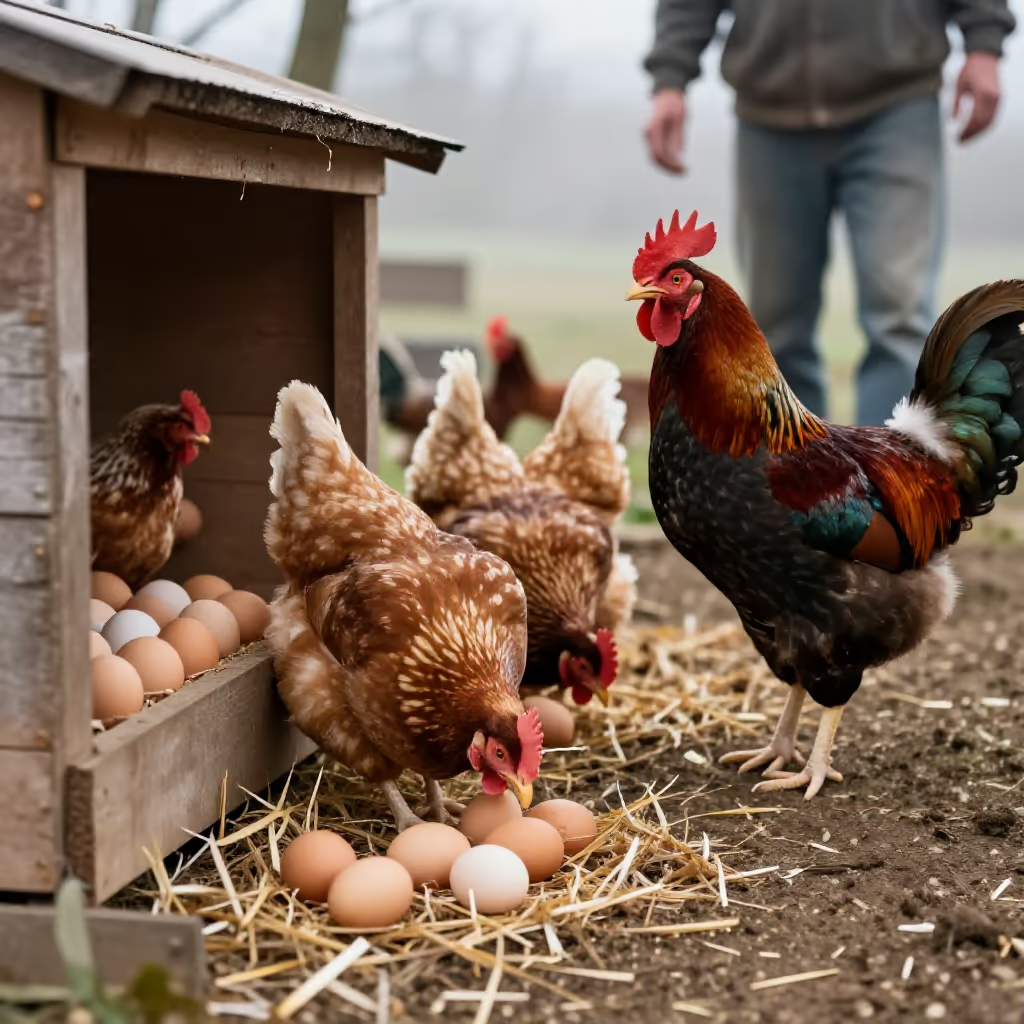
das Huhn
chicken
A domesticated bird kept for its eggs and meat. Female animals are called hens, male ones roosters.
EXAMPLE
Die Hühner im Garten scharren nach Würmern.
The chickens in the garden are scratching for worms.
chicken
Loading your saved state.
chicken
A domesticated bird kept for its eggs and meat. Female animals are called hens, male ones roosters.
Die Hühner im Garten scharren nach Würmern.
The chickens in the garden are scratching for worms.
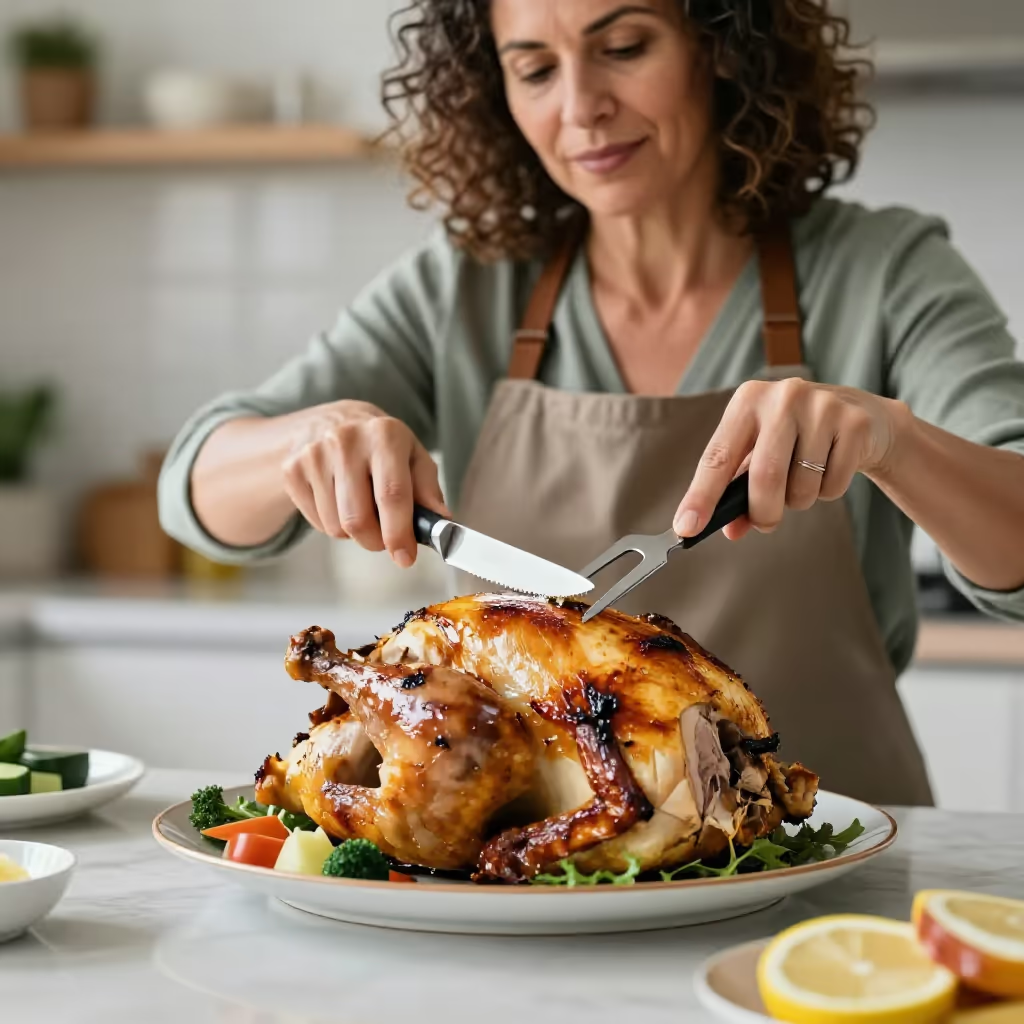
chicken
The meat of the chicken as food.
Zum Mittagessen gibt es heute gebratenes Huhn mit Reis.
For lunch today, there is roast chicken with rice.
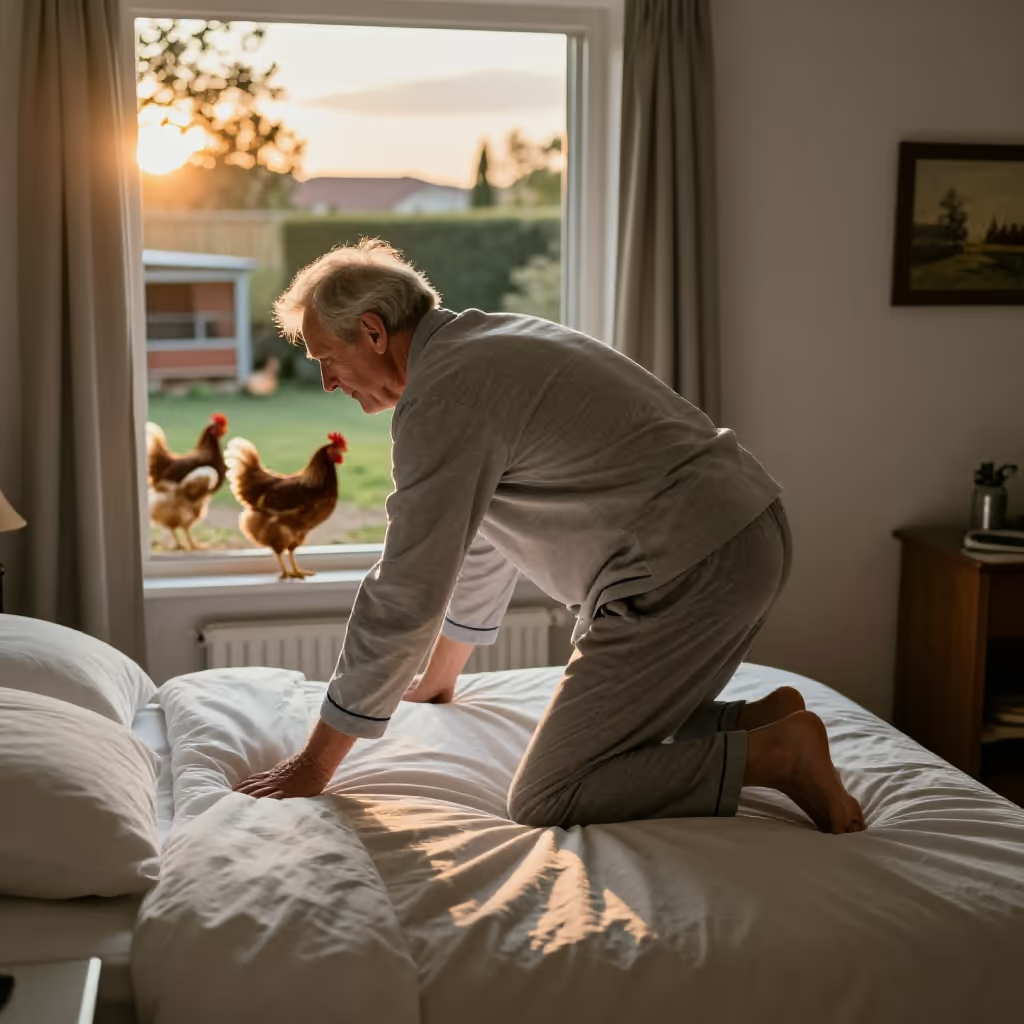
to go to bed early
An idiom that means to go to bed very early in the evening.
Nach der langen Wanderung sind wir alle mit den Hühnern schlafen gegangen.
After the long hike, we all went to bed early.

even a blind squirrel finds a nut
An idiom saying that even a clumsy or ignorant person can succeed by chance once in a while.
Ich habe die Antwort nur geraten und sie war richtig – ein blindes Huhn findet eben auch mal ein Korn.
I only guessed the answer, and it was right—even a blind squirrel finds a nut sometimes.
Context tells you whether the animal or the food is meant. Verbs like 'kochen' (to cook) or 'braten' (to roast/fry) point to the meat. Verbs like 'gackern' (to cluck) or 'Eier legen' (to lay eggs) refer to the living animal.
Für die Suppe brauchen wir ein frisches Huhn vom Markt.
For the soup, we need a fresh chicken from the market.
When 'Huhn' (chicken) refers generally to a dish or type of meat, it is often used without an article like an uncountable noun. When a whole animal carcass is meant, it is used countably.
Möchtest du lieber Fisch oder Huhn essen?
Would you rather eat fish or chicken?
The idiom 'mit den Hühnern schlafen gehen' (to go to bed with the chickens) is a fixed unit. The person who goes to bed early is the subject of the sentence.
Morgen ist ein wichtiger Tag, deshalb gehe ich heute mit den Hühnern schlafen.
Tomorrow is an important day, so I'm going to bed early today.
The proverb 'Ein blindes Huhn findet auch mal ein Korn' (even a blind chicken finds a grain sometimes) is often used as a standalone sentence to comment on a situation in which someone unexpectedly succeeded by chance.
Ich habe die Antwort nicht gewusst und nur geraten. Aber es war richtig! Ein blindes Huhn findet auch mal ein Korn.
I didn't know the answer and only guessed. But it was right! Even a blind squirrel finds a nut sometimes.
chicken
Both Huhn and Hähnchen can refer to poultry meat as food. Huhn is the more general term for the meat, while Hähnchen usually refers to a young animal or a dish prepared from one. Use Huhn in general and Hähnchen for the typical specific meal.
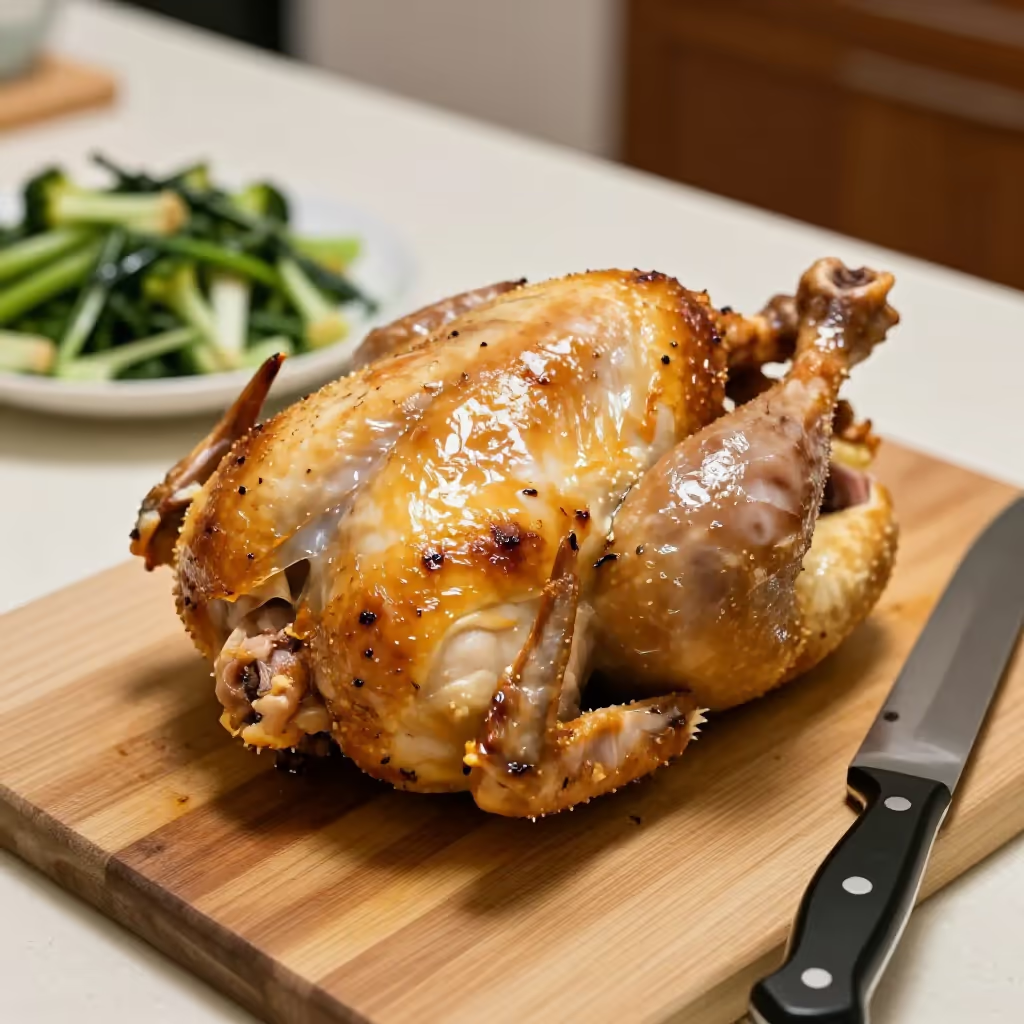
Für die Suppe kaufe ich frisches Huhn beim Metzger.
I’m buying fresh chicken from the butcher for the soup.
Zum Abendessen bestelle ich ein gebratenes Hähnchen mit Reis.
I’m ordering roast chicken with rice for dinner.