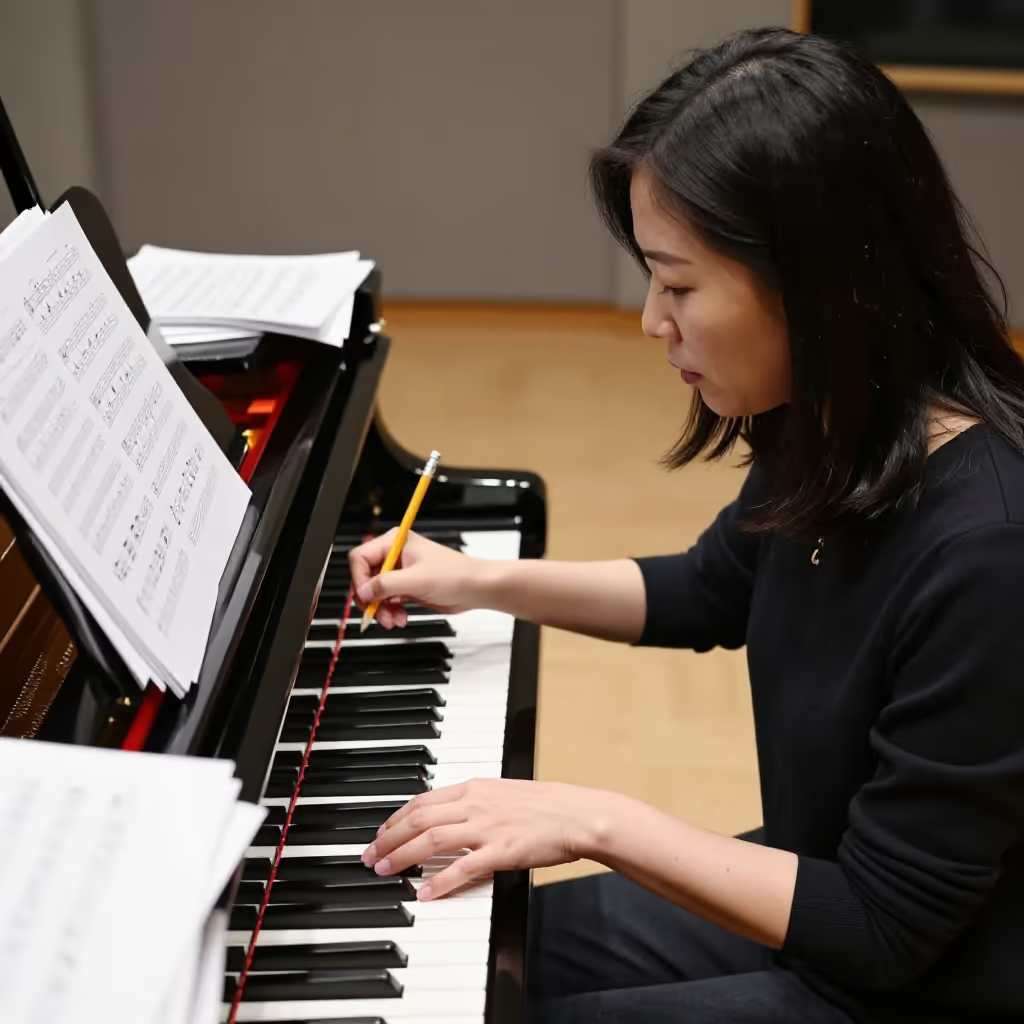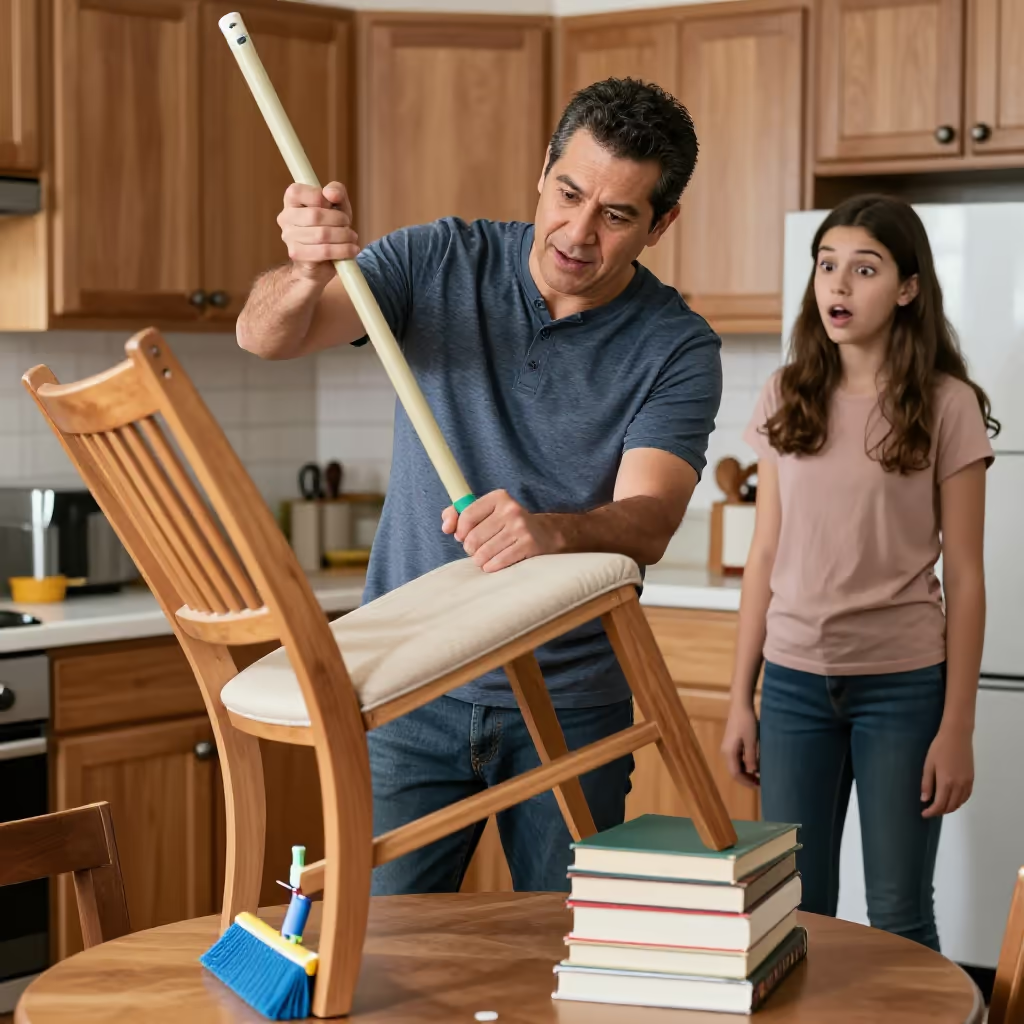
To do something spontaneously and without prior planning or preparation by creatively using the means and possibilities currently available.
example
Da wir die Hauptzutat vergessen hatten, mussten wir beim Kochen etwas improvisieren.
Since we had forgotten the main ingredient, we had to improvise a bit while cooking.
Usage tips
Sentence structure
'Improvisieren' (to improvise) can be used with or without a direct object in the accusative. You can simply 'improvisieren' (improvise) or 'etwas improvisieren' (improvise something).
EXAMPLE
Der Strom ist ausgefallen, also müssen wir heute Abend improvisieren.
The power has gone out, so we'll have to improvise tonight.
Art context clue
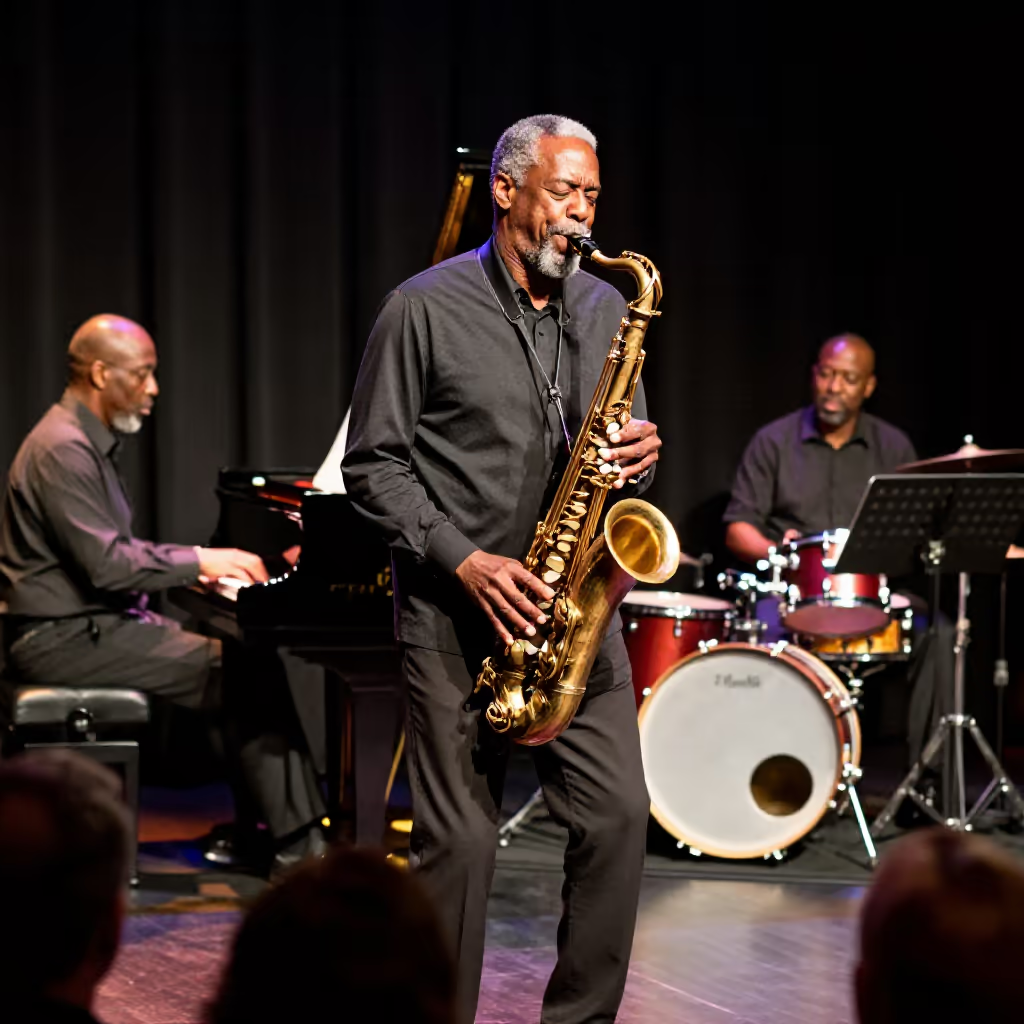
In an artistic context, especially in music, 'improvisieren' (to improvise) is often used with the preposition 'über' + accusative. This describes the basis on which the improvisation takes place.
EXAMPLE
Der Saxofonist improvisierte gekonnt über eine bekannte Melodie.
The saxophonist skillfully improvised over a well-known melody.
Typical collocations
In everyday life, people often improvise when there is no plan or when resources are not available. Typical situations are: while cooking, during a speech, during a repair, or when organizing something.
EXAMPLE
Als der Beamer ausfiel, musste der Redner seinen Vortrag improvisieren.
When the projector stopped working, the speaker had to improvise his talk.
Compare with
antonym
improvisieren vs planen
to plan
'planen' and 'improvisieren' are clear opposites. When you plan something, you think it through and prepare it in advance. When you improvise, you act spontaneously and use whatever is available at the moment. 'planen' fits when time and preparation are important. 'improvisieren' fits when something unexpected happens or when there is no fixed plan. Both can be successful, but the approach is different: prepared or spontaneous.
improvisieren
Als der Bus ausfiel, mussten wir improvisieren und ein Taxi teilen.
When the bus was canceled, we had to improvise and share a taxi.
planen
Er plant den Kurs sorgfältig, weil die Teilnehmer viele Fragen haben.
He plans the course carefully because the participants have many questions.