

das Inferno
inferno
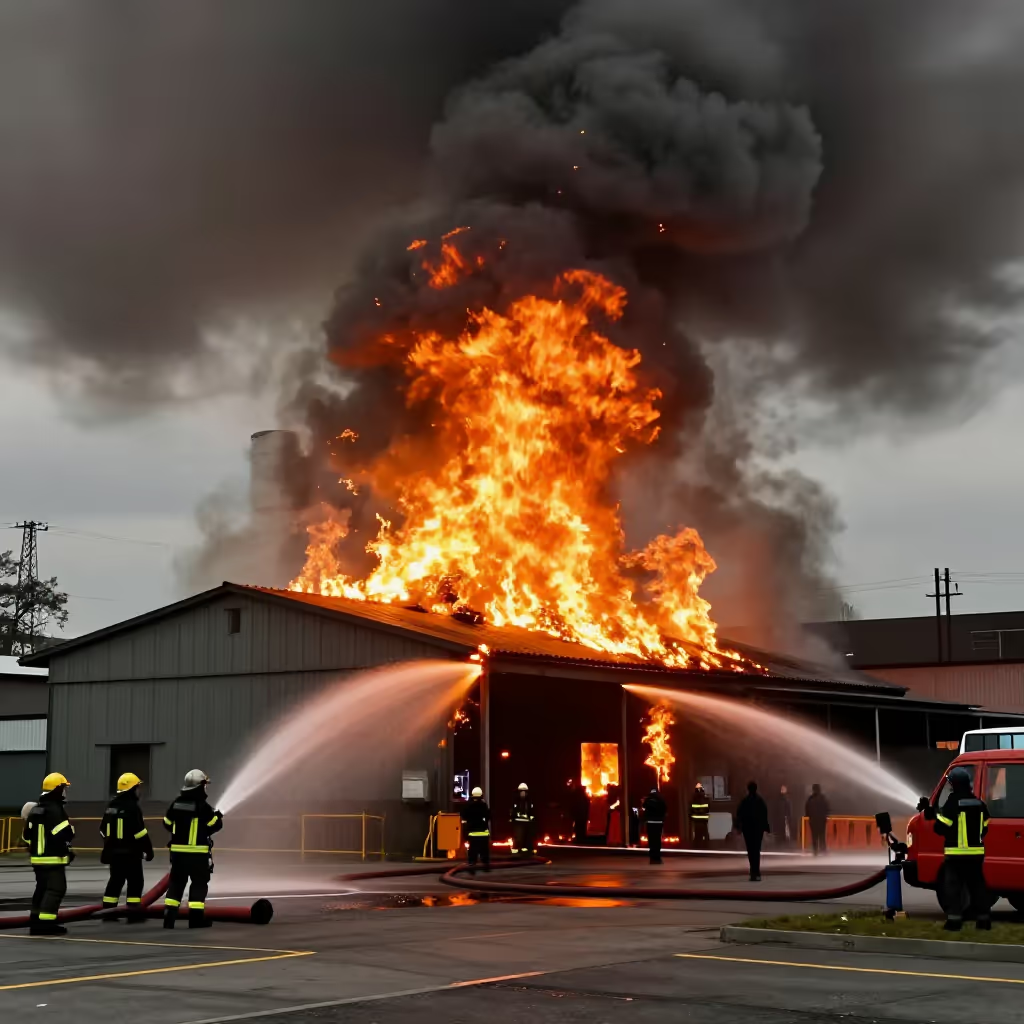
A very large, destructive fire that is out of control.
EXAMPLE
Die Feuerwehrleute kämpften tagelang gegen das Inferno im Wald.
The firefighters battled the inferno in the forest for days.
inferno
Loading your saved state.
inferno
A very large, destructive fire that is out of control.
Die Feuerwehrleute kämpften tagelang gegen das Inferno im Wald.
The firefighters battled the inferno in the forest for days.
inferno
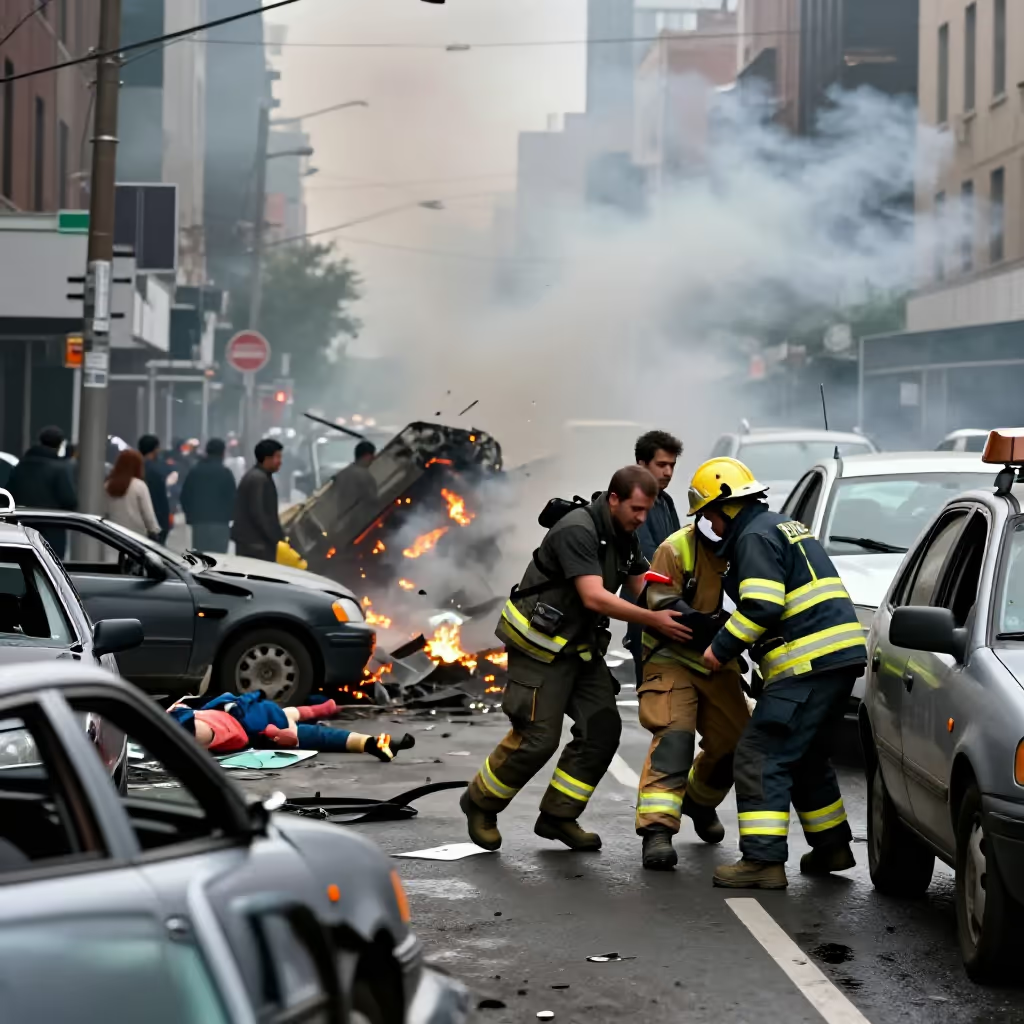
A situation marked by extreme chaos, suffering, or destruction and reminiscent of hell.
Der Lärm und die Panik verwandelten den überfüllten Bahnhof in ein Inferno.
The noise and panic turned the overcrowded train station into an inferno.

inferno
In literature, especially in Dante's 'Divine Comedy', the term for hell.
In Dantes Inferno durchwandert der Protagonist die neun Kreise der Hölle.
In Dante's Inferno, the protagonist travels through the nine circles of hell.
'Inferno' is a very strong and dramatic word. It is used only for extreme, catastrophic events, not for everyday problems or small fires.
Die Explosion verwandelte die Fabrikhalle in ein Flammeninferno.
The explosion turned the factory hall into an inferno of flames.
The word comes from Italian and means 'hell'. This origin explains its intense meaning, which is used both for a huge fire and for a terrible, chaotic situation.
Der Lärm der Sirenen und die Schreie der Menschen schufen ein wahres Inferno.
The sound of the sirens and the screams of the people created a true inferno.
When 'Inferno' (inferno) describes a fire, words such as 'Flammen' (flames), 'Rauch' (smoke), 'Hitze' (heat), or verbs like 'brennen' (to burn) and 'löschen' (to extinguish) are often found in the context.
Ein Funke genügte, um in der trockenen Landschaft ein Inferno zu entfachen.
A single spark was enough to ignite an inferno in the dry landscape.
In its figurative meaning, 'Inferno' (inferno) refers to chaotic situations. Signal words here are often 'Lärm' (noise), 'Panik' (panic), 'Chaos' (chaos), or strong emotional descriptions.
Während des Konzerts brach unter den Zuschauern ein Inferno der Begeisterung aus.
During the concert, an inferno of enthusiasm broke out among the audience.
The meaning 'Hölle' (hell) is used almost exclusively in a literary or theological context. A clear clue is the mention of 'Dante' or his work 'Die Göttliche Komödie' (The Divine Comedy).
Im Literaturkurs analysierten wir die verschiedenen Strafen in Dantes Inferno.
In the literature course, we analyzed the various punishments in Dante's Inferno.
hell
Hölle and Inferno can both figuratively describe an extremely painful or destructive situation. Hölle focuses more strongly on a state or place of great suffering, whereas Inferno usually refers to a chaotic event involving destruction and often evokes a large fire. So use Hölle for suffering and Inferno for a destructive scenario.

Nach dem Vulkanausbruch bot die Stadt ein Inferno aus Feuer und Zerstörung.
After the volcanic eruption, the city was an inferno of fire and destruction.
Nach dem Unfall war die lange Behandlung für ihn die Hölle.
After the accident, the long treatment was hell for him.