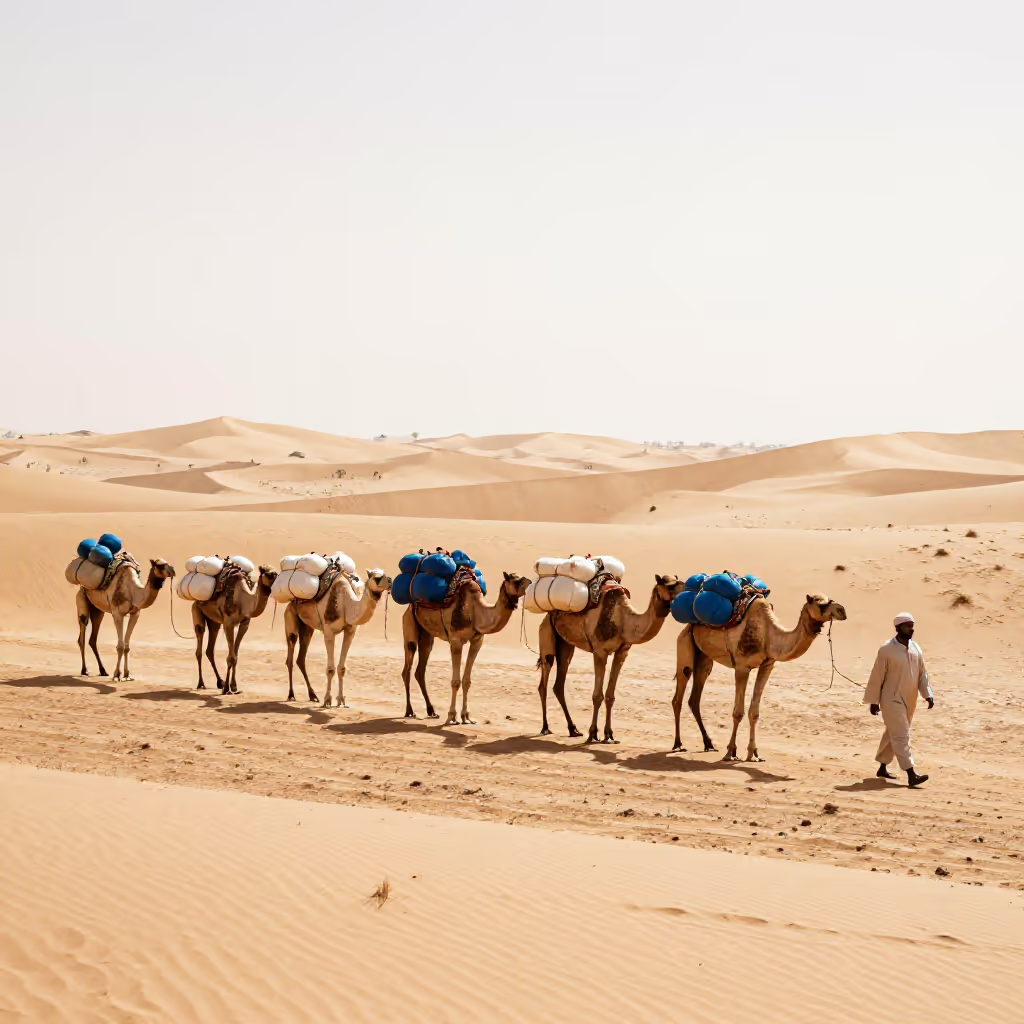
A group of people and pack animals, especially camels, traveling together through a desert or another difficult-to-cross area.
example
Die Karawane zog langsam durch die endlosen Sanddünen der Sahara.
The caravan moved slowly through the endless sand dunes of the Sahara.
Usage tips
Typical verb
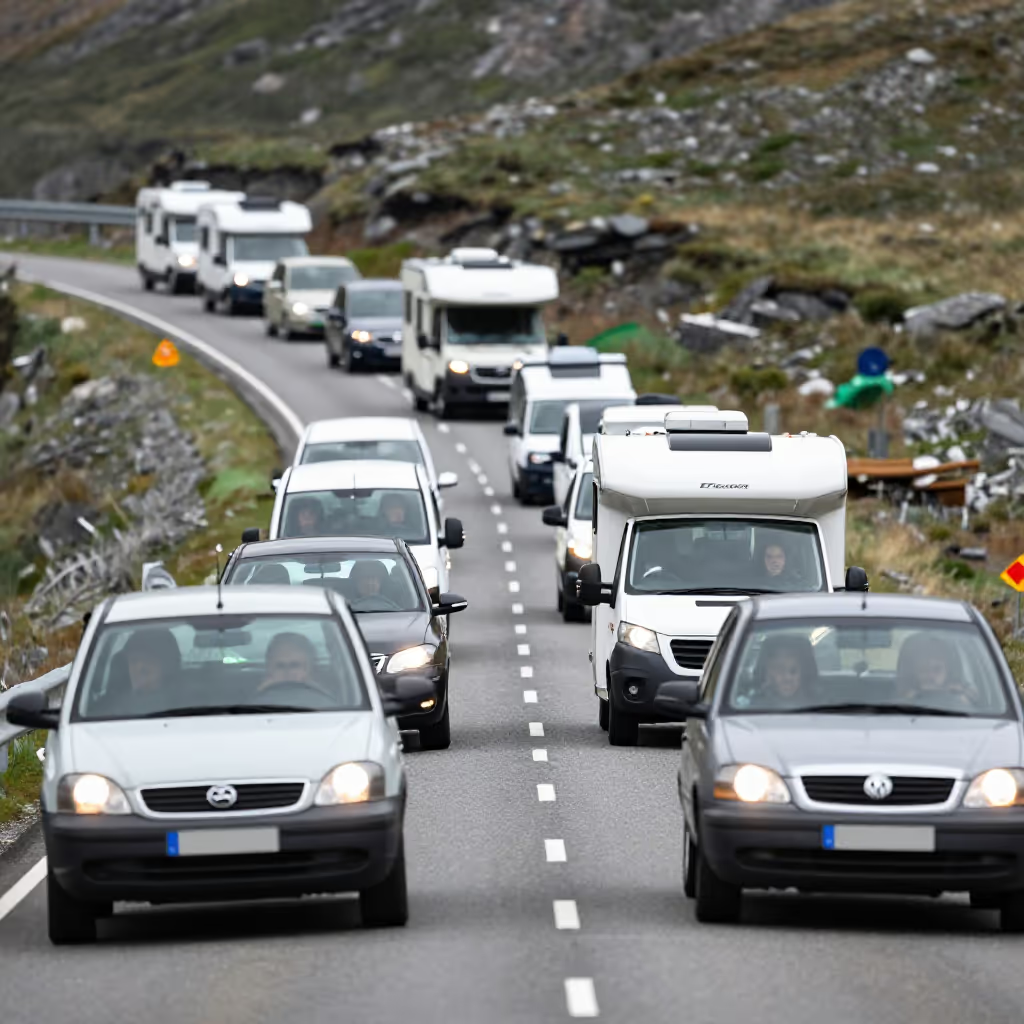
The verb 'ziehen' (to move / to travel) is used very often with 'Karawane' (caravan) to describe slow, continuous movement. This applies both to traveling through the desert and to a long line of vehicles.
EXAMPLE
Eine endlose Karawane von Lastwagen zog über die Landstraße.
An endless convoy of trucks moved along the country road.
Historical context
The original meaning is closely connected with images of deserts, camels, and historical trade routes such as the Silk Road. The word often creates an exotic or adventurous atmosphere.
EXAMPLE
Die Händler schlossen sich zu einer Karawane zusammen, um sich vor Überfällen zu schützen.
The merchants joined together in a caravan to protect themselves from raids.
Context clue: vehicles
When 'Karawane' (caravan) is used in connection with cars, trucks, or traffic, it always has the figurative meaning of a long, slow-moving line. A common, vivid term for a traffic jam is 'Blechkarawane' (literally: metal caravan).
EXAMPLE
Im morgendlichen Berufsverkehr bildet sich täglich eine Blechkarawane in Richtung Innenstadt.
In the morning rush hour, a metal caravan forms daily toward the city center.
Compare with
near_synonym · confusable
Karawane vs Zug
train / move / draft
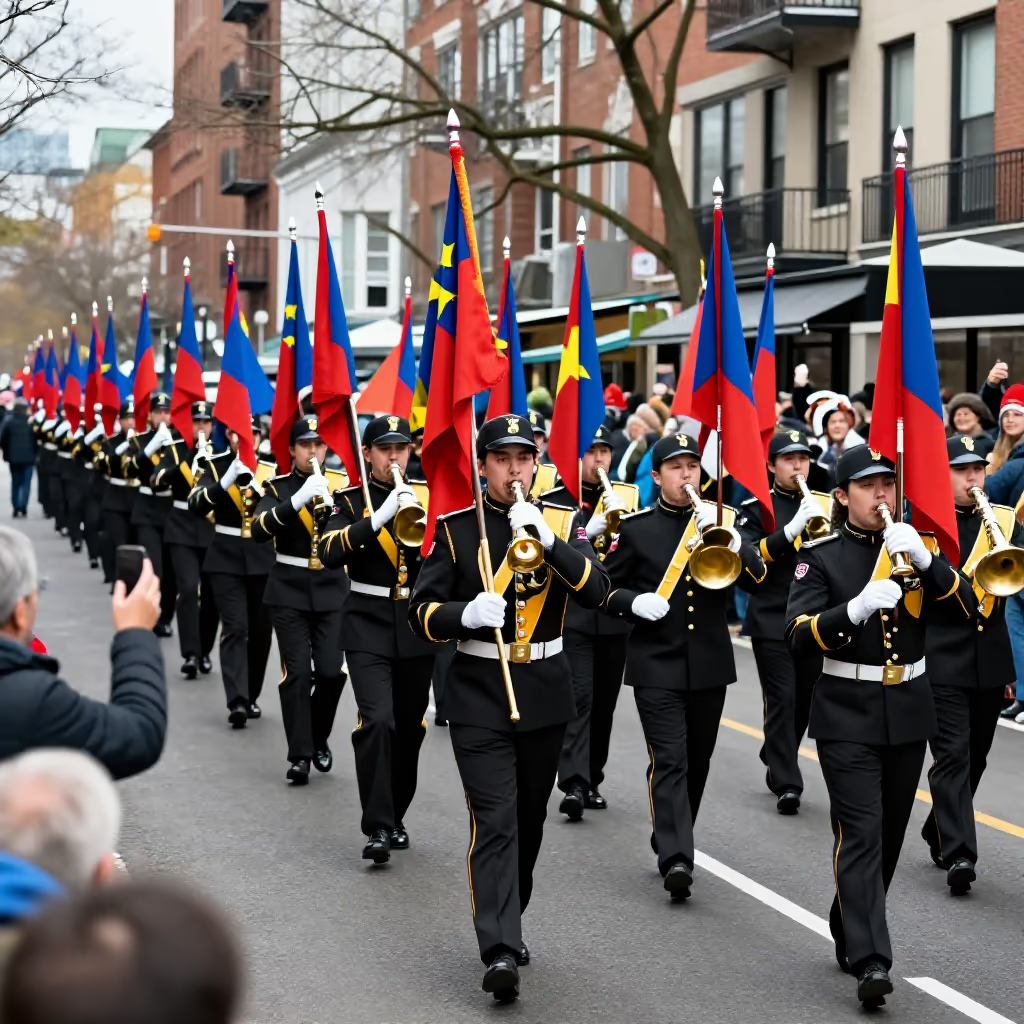
'der Zug' and 'die Karawane' can both describe a group moving together. 'Zug' is more general and fits well for a festive procession, parade, or demonstration. 'Karawane' first makes you think traditionally of people and pack animals in the desert; in everyday language, it can also mean a long, slowly moving line of vehicles or people. Learners may confuse the words because both describe a moving line. However, 'Karawane' sounds more specific and often more figurative, while 'Zug' is more neutral for organized processions.
Karawane
Auf der Wüstenreise folgt die Karawane jeden Morgen derselben Route.
On the desert journey, the caravan follows the same route every morning.
Zug
Am Nachmittag läuft der Zug mit Musik und Fahnen durch die Stadt.
In the afternoon, the procession with music and flags moves through the city.