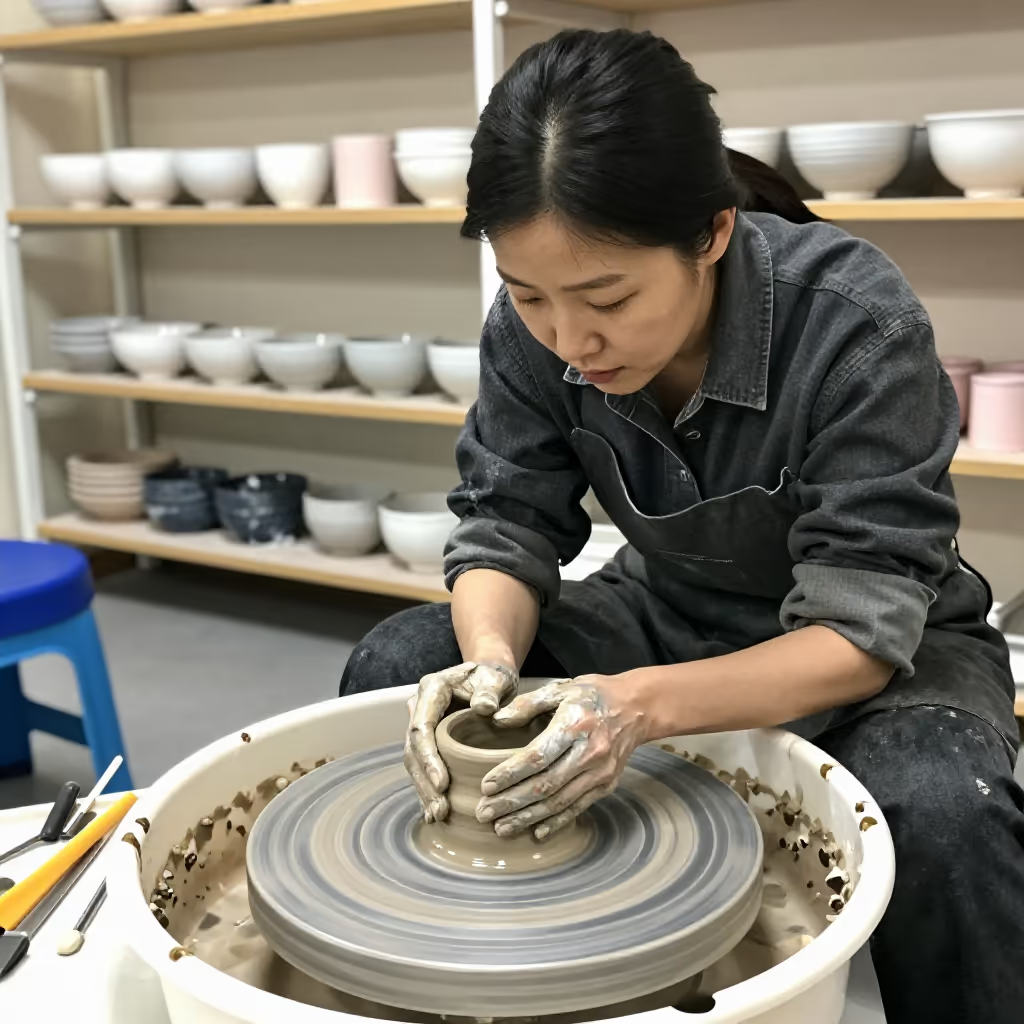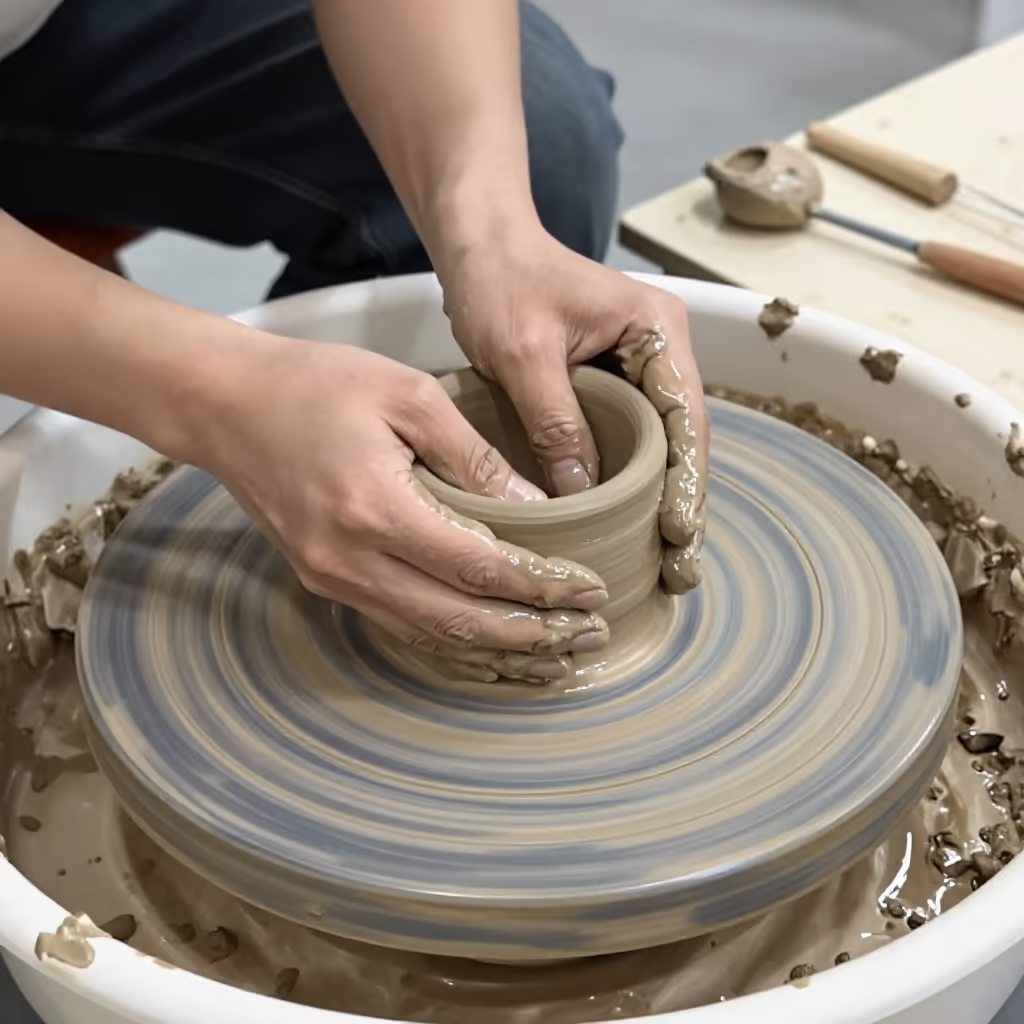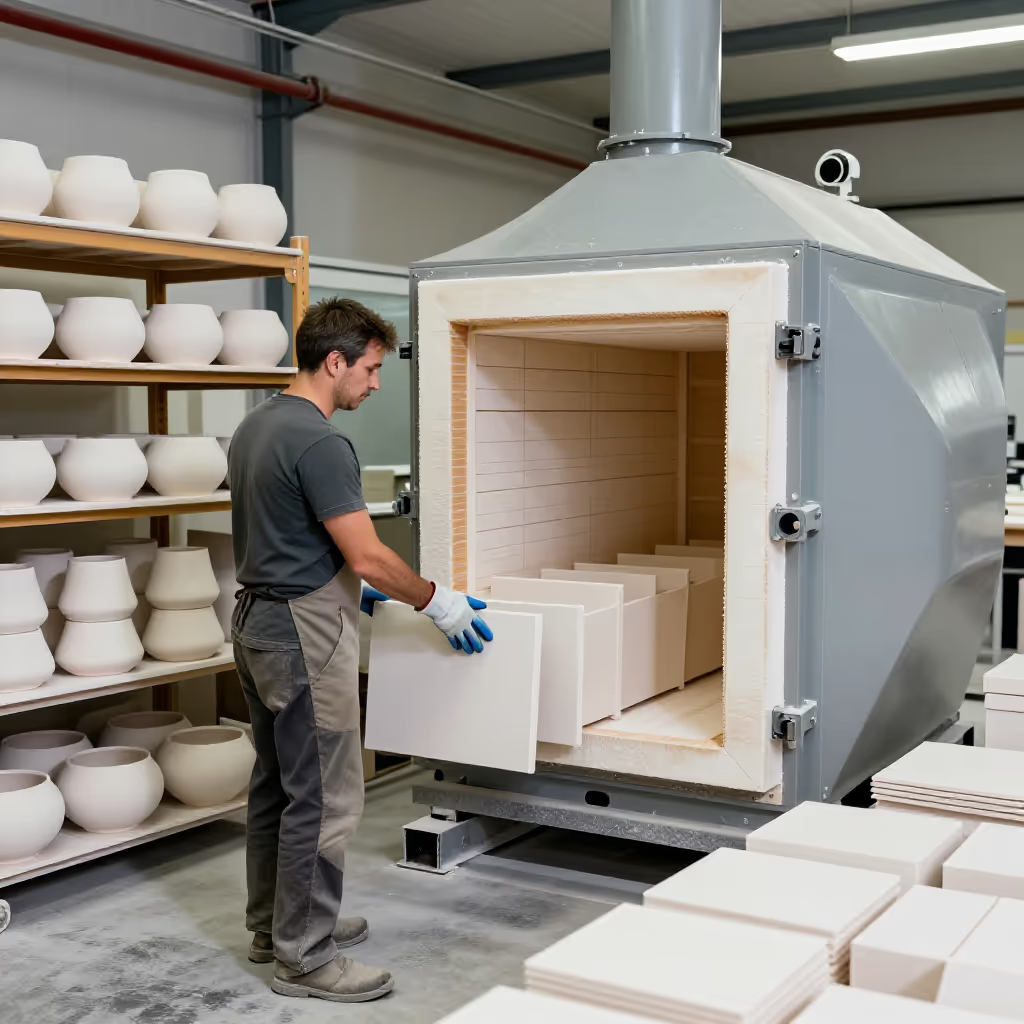
A material made from inorganic, non-metallic raw materials (usually clay) by shaping and then firing at a high temperature.
example
Die Bremsbeläge dieses Sportwagens sind aus Keramik gefertigt, weil sie sehr hitzebeständig ist.
The brake pads of this sports car are made of ceramic because it is very heat-resistant.
Usage tips
Countable vs. uncountable
The word 'Keramik' (ceramic/ceramics) is used in different ways. When it refers to the material or the craft, it is uncountable and appears in the singular. When an individual object is meant, it is countable and can also appear in the plural ('die Keramiken'—ceramic pieces).
EXAMPLE
Für diesen Bodenbelag wird spezielle Keramik verwendet.
Special ceramic is used for this flooring.
Typical collocations
When 'Keramik' (ceramic) describes the material, you often find it in technical or material contexts. Typical combinations are 'aus Keramik bestehen' (to be made of ceramic), 'etwas aus Keramik fertigen' (to make something from ceramic), or in compounds such as 'Zahnkeramik' (dental ceramic) or 'Keramikmesser' (ceramic knife).
EXAMPLE
Moderne Zahnkronen werden oft aus Keramik hergestellt.
Modern dental crowns are often made of ceramic.
Typical collocations
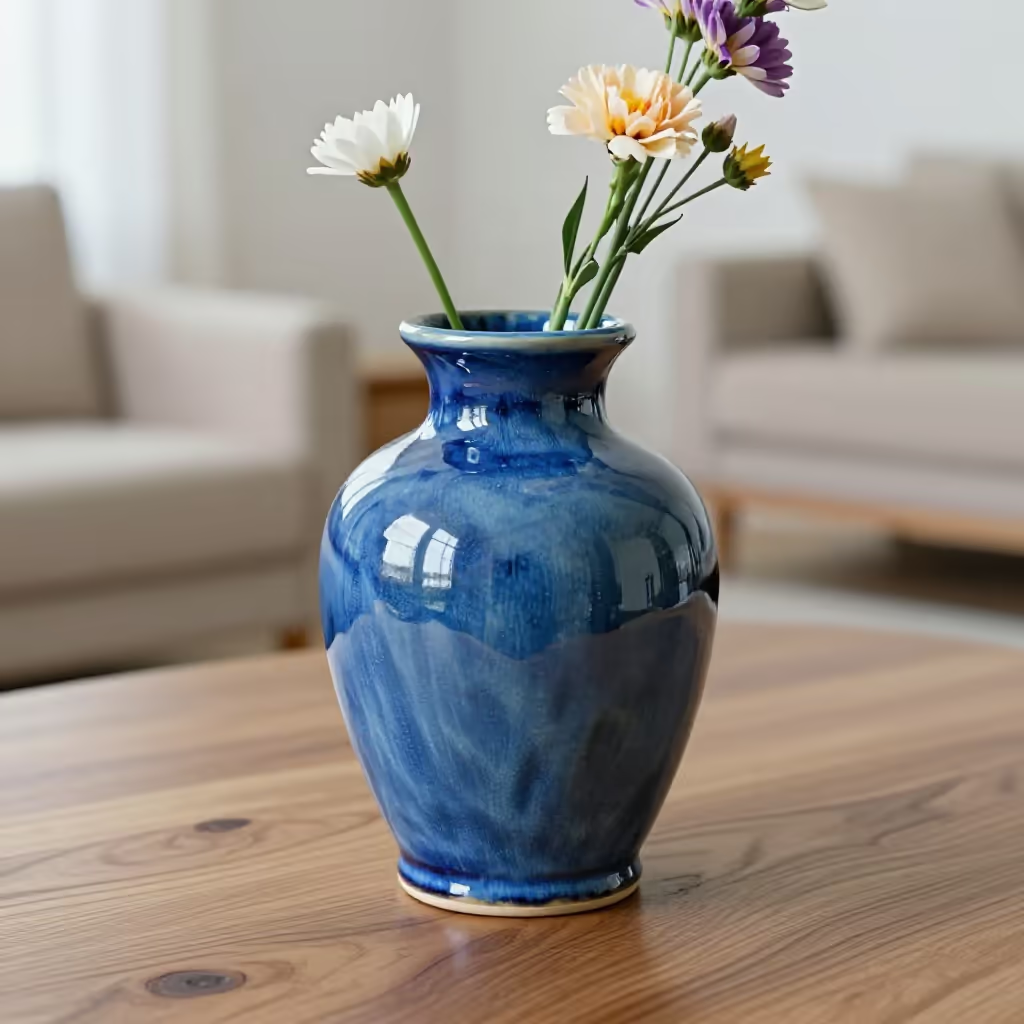
When an art object is meant, 'Keramik' (ceramic piece) is often used with verbs of collecting, buying, or exhibiting. Common adjectives are 'antike' (antique), 'moderne' (modern), or 'bemalte' (painted) ceramic.
EXAMPLE
Auf dem Flohmarkt hat er eine handbemalte Keramik entdeckt.
At the flea market, he discovered a hand-painted ceramic piece.
Context: craft & art
In the meaning of 'Handwerk' (craft) or 'Kunst' (art), 'Keramik' (ceramics) often appears together with words like 'Kurs' (course), 'lernen' (to learn), 'Werkstatt' (workshop), or 'Kunst' (art). Here it describes the activity of pottery.
EXAMPLE
Sie hat einen Kurs für Keramik an der Volkshochschule belegt.
She took a ceramics course at the adult education center.
Compare with
confusable
Keramik vs Ton
tone / clay
'der Ton' and 'die Keramik' can appear together in the context of pottery, but they do not mean the same thing. 'Ton' is the soft, moldable material that you can shape into something. 'Keramik' is the material or object after the clay has been shaped and fired. In addition, 'Keramik' can also mean the craft or art form. The words are easy to confuse because many ceramics are made from clay. Remember: before firing, people often say 'Ton'; after firing, they are more likely to say 'Keramik'.
Keramik
Auf dem Markt kauft Paul eine schöne Keramik für die Küche.
At the market, Paul buys a beautiful ceramic piece for the kitchen.
Ton
Im Kurs formt Anna aus Ton eine kleine Schale.
In the course, Anna shapes a small bowl out of clay.