

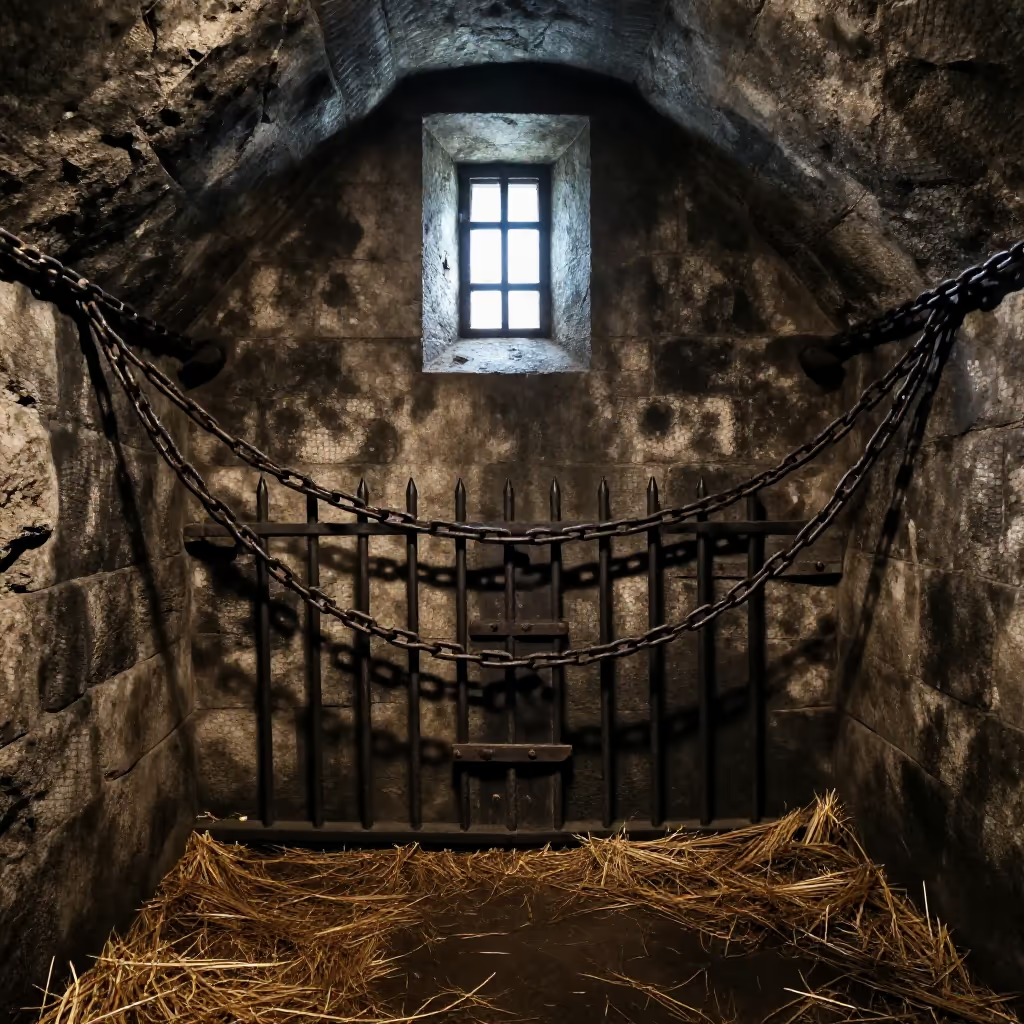
der Kerker
dungeon
A dark, usually underground prison, especially in a castle or fortress.
EXAMPLE
Im Mittelalter wurden Gefangene oft in den feuchten Kerker geworfen.
In the Middle Ages, prisoners were often thrown into the damp dungeon.
dungeon
Loading your saved state.
dungeon
A dark, usually underground prison, especially in a castle or fortress.
Im Mittelalter wurden Gefangene oft in den feuchten Kerker geworfen.
In the Middle Ages, prisoners were often thrown into the damp dungeon.
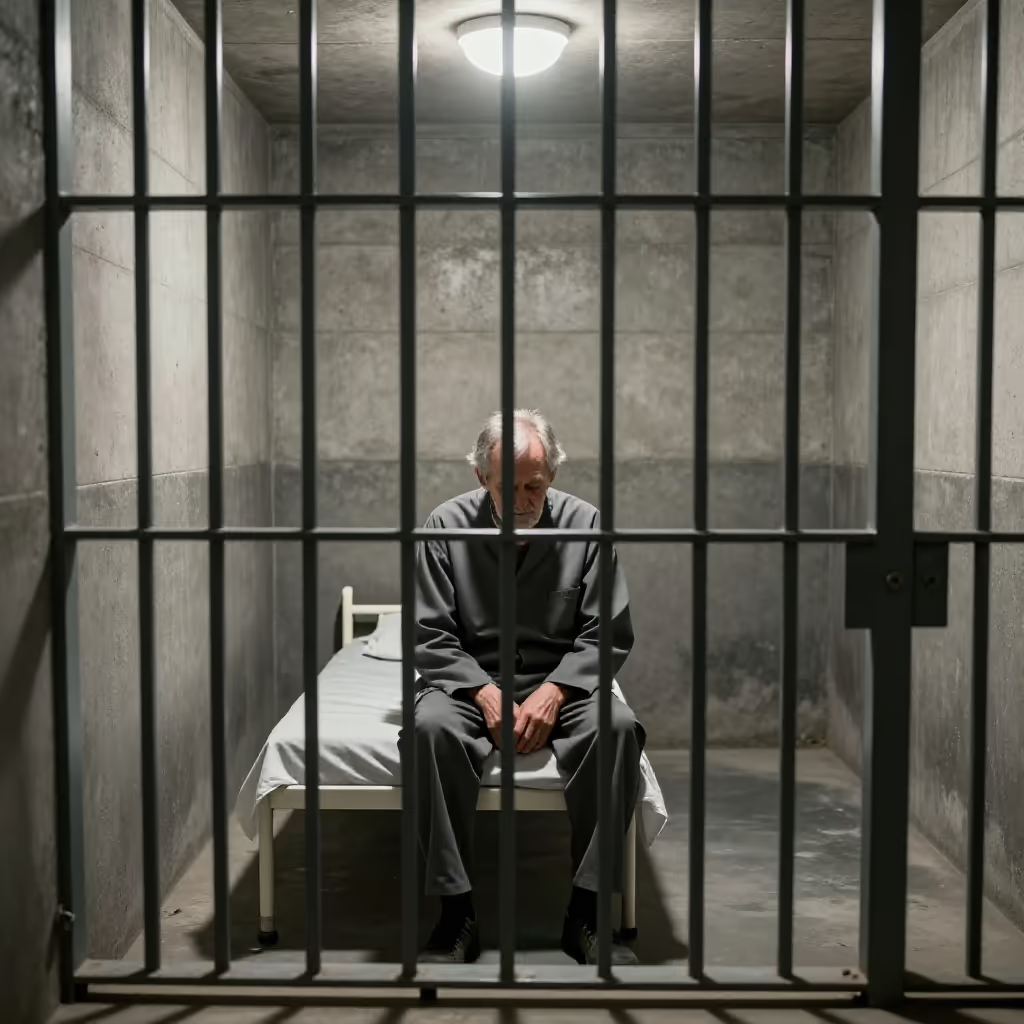
prison
Literary or elevated language for a prison in general, often emphasizing captivity and suffering.
Nach zwanzig Jahren im Kerker wurde er endlich freigelassen.
After twenty years in prison, he was finally released.
The word 'Kerker' (dungeon) is not used in modern everyday language for a normal prison. It sounds historical or literary and is used to describe especially gloomy and inhumane imprisonment.
In Romanen über das Mittelalter werden Helden oft in einen Kerker gesperrt.
In novels about the Middle Ages, heroes are often locked in a dungeon.
The verb 'einkerkern' is derived from the noun 'der Kerker' (the dungeon). It means to lock someone in a dungeon or prison and also has an elevated or historical tone.
Der Diktator ließ alle seine politischen Gegner einkerkern.
The dictator had all his political opponents imprisoned.
There are fixed expressions that fit the dramatic style of the word. Very common are 'jemanden in den Kerker werfen' (to throw someone into the dungeon) and 'im Kerker schmachten' (to languish in a dungeon).
Der König ließ seine Feinde ohne Prozess in den Kerker werfen.
The king had his enemies thrown into the dungeon without a trial.
You can recognize the literal meaning 'underground prison' from signal words like 'Burg' (castle), 'Schloss' (palace/castle), 'Mittelalter' (Middle Ages), or 'Verlies' (dungeon). The dungeon is often described as dark, damp, and windowless.
Bei der Burgführung besichtigten wir auch die alten Kerker.
During the castle tour, we also visited the old dungeons.
prison
Gefängnis is the neutral modern term for a prison or detention facility. Kerker is a literary or elevated term for a prison and often emphasizes oppressive captivity or suffering. Gefängnis is appropriate in an ordinary news report, while Kerker can fit a figurative or vivid depiction.
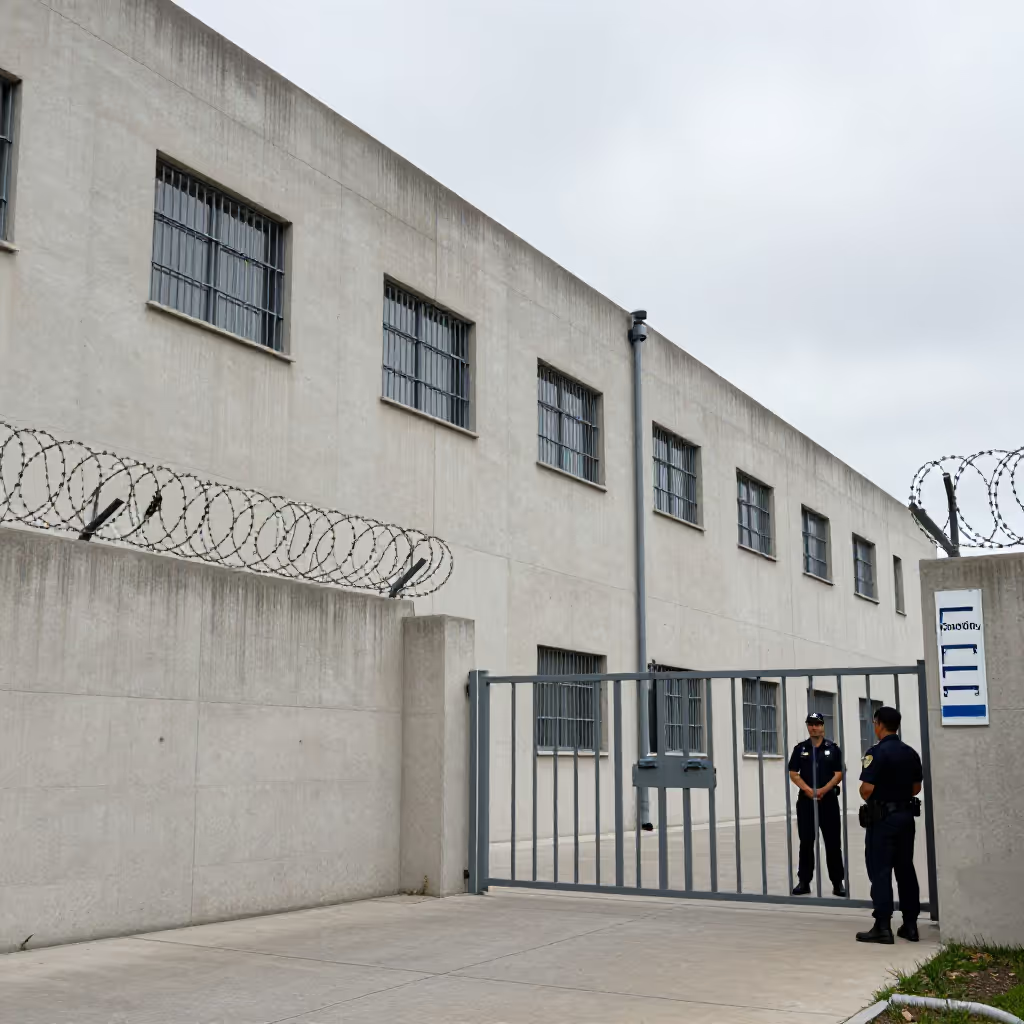
Im Roman verbrachte der gefangene Ritter viele Jahre in einem dunklen Kerker.
In the novel, the captured knight spent many years in a dark dungeon.
Der Bericht beschreibt, wie die Polizei den Gefangenen ins Gefängnis brachte.
The report describes how the police took the prisoner to prison.