der Kessel
kettle
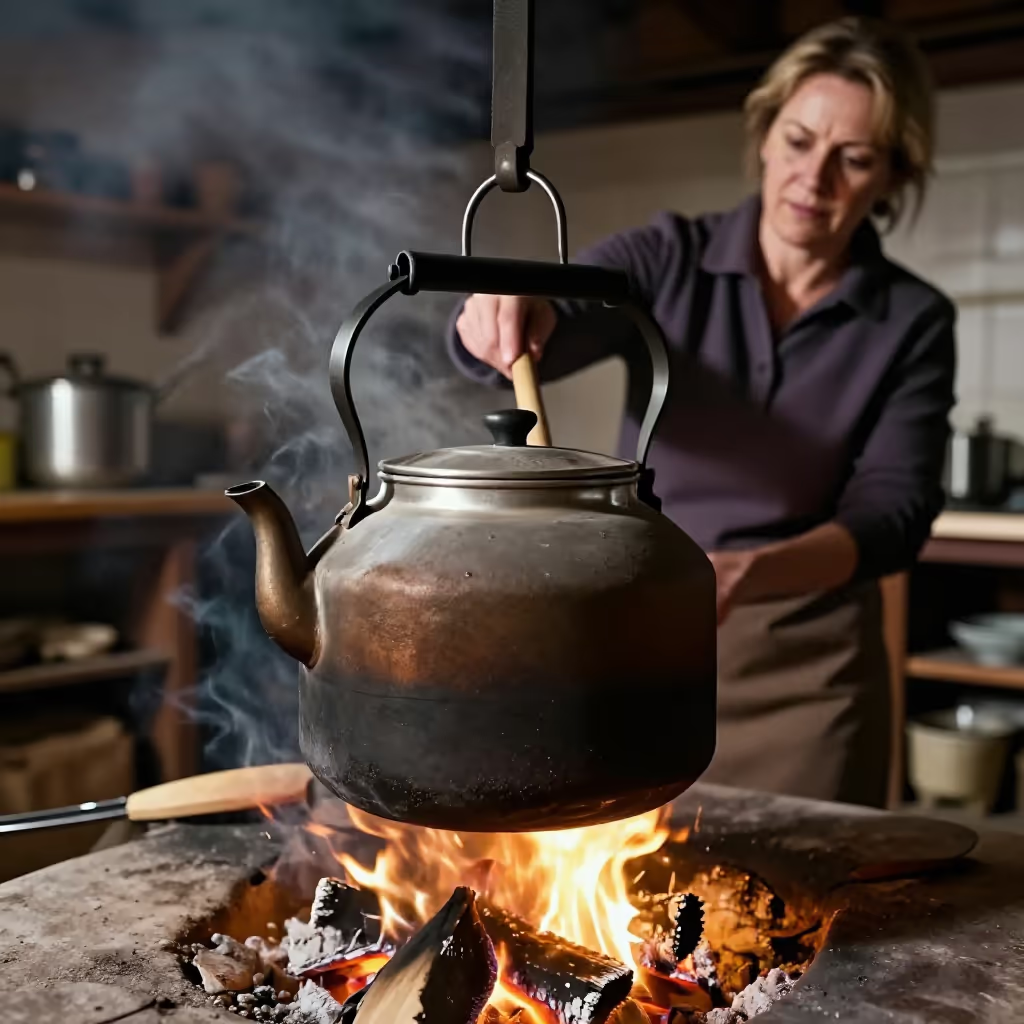
A large, rounded metal pot used for cooking or heating liquids over an open fire or on a stovetop.
Über dem Lagerfeuer hing ein großer Kessel mit Gulaschsuppe.
A large kettle with goulash soup was hanging over the campfire.
kettle / boiler
Loading your saved state.
kettle
A large, rounded metal pot used for cooking or heating liquids over an open fire or on a stovetop.
Über dem Lagerfeuer hing ein großer Kessel mit Gulaschsuppe.
A large kettle with goulash soup was hanging over the campfire.
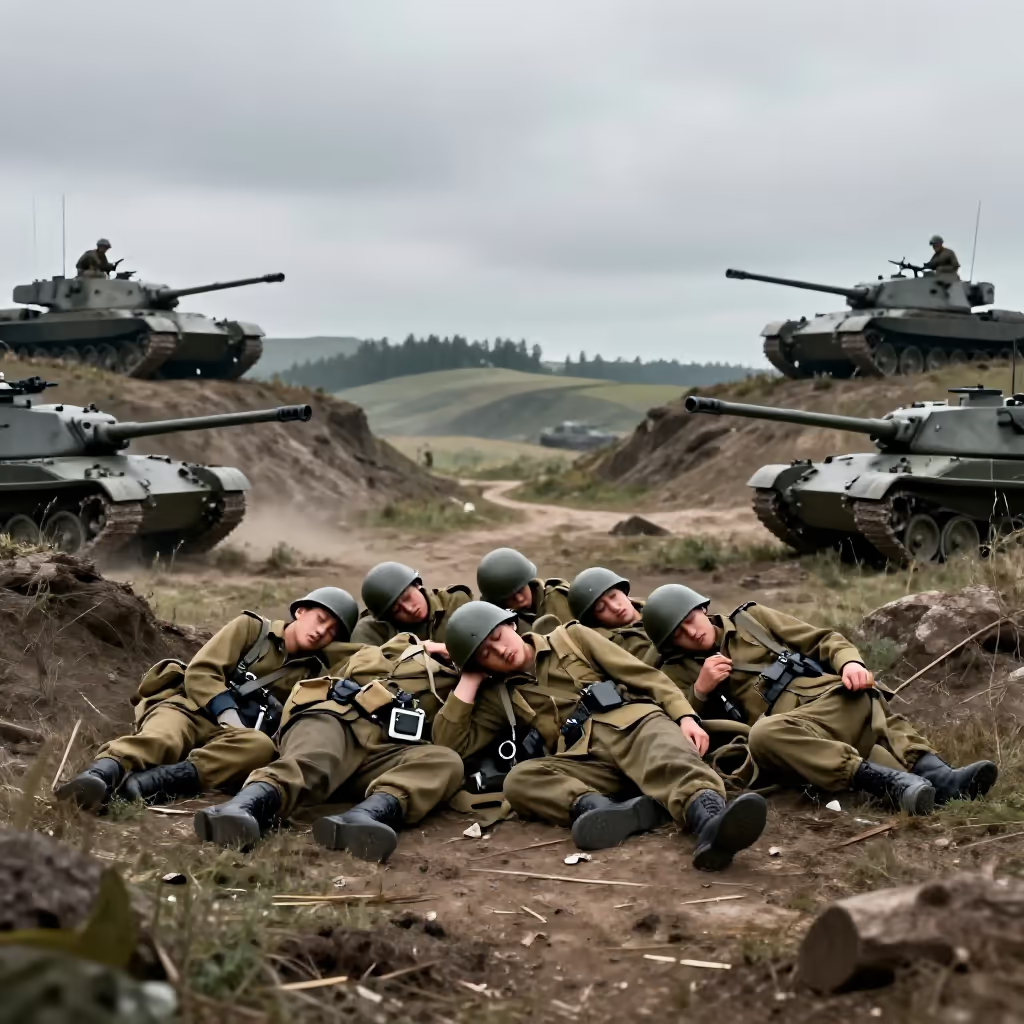
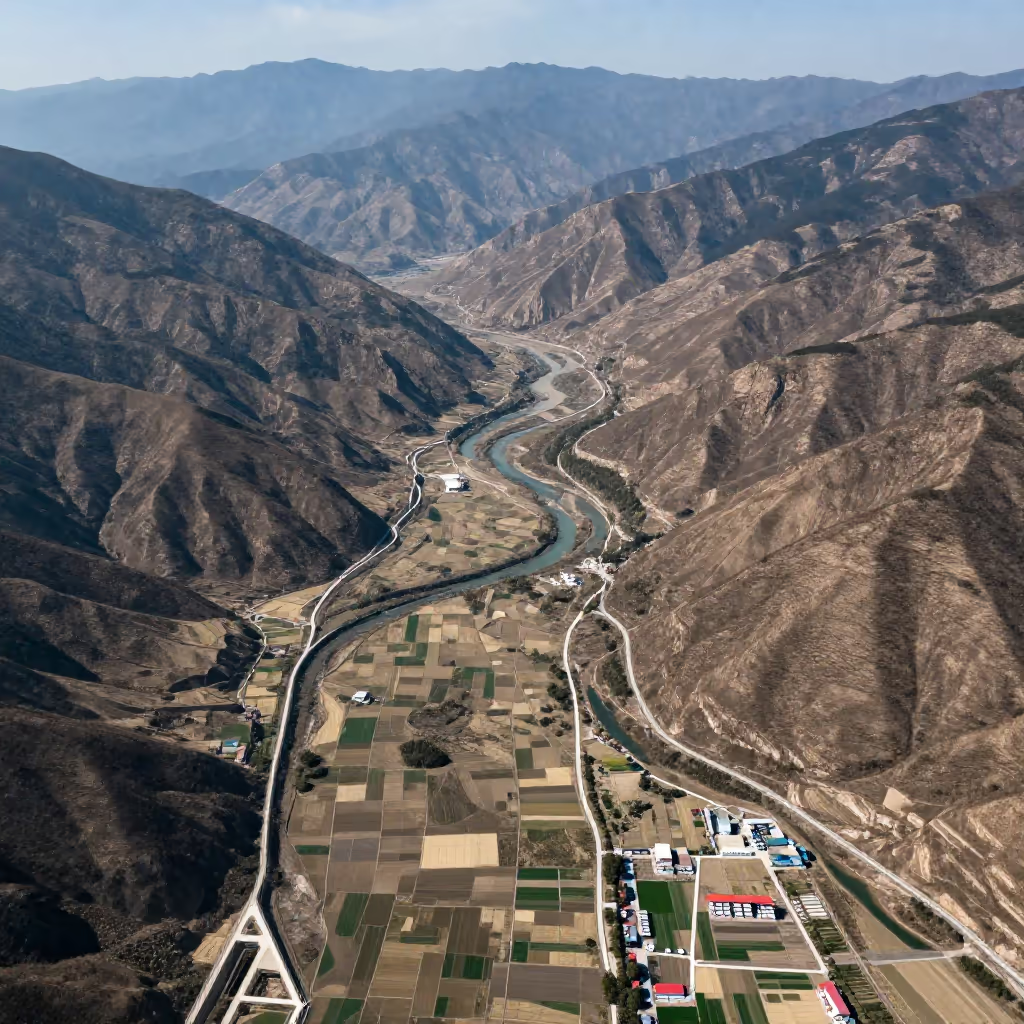
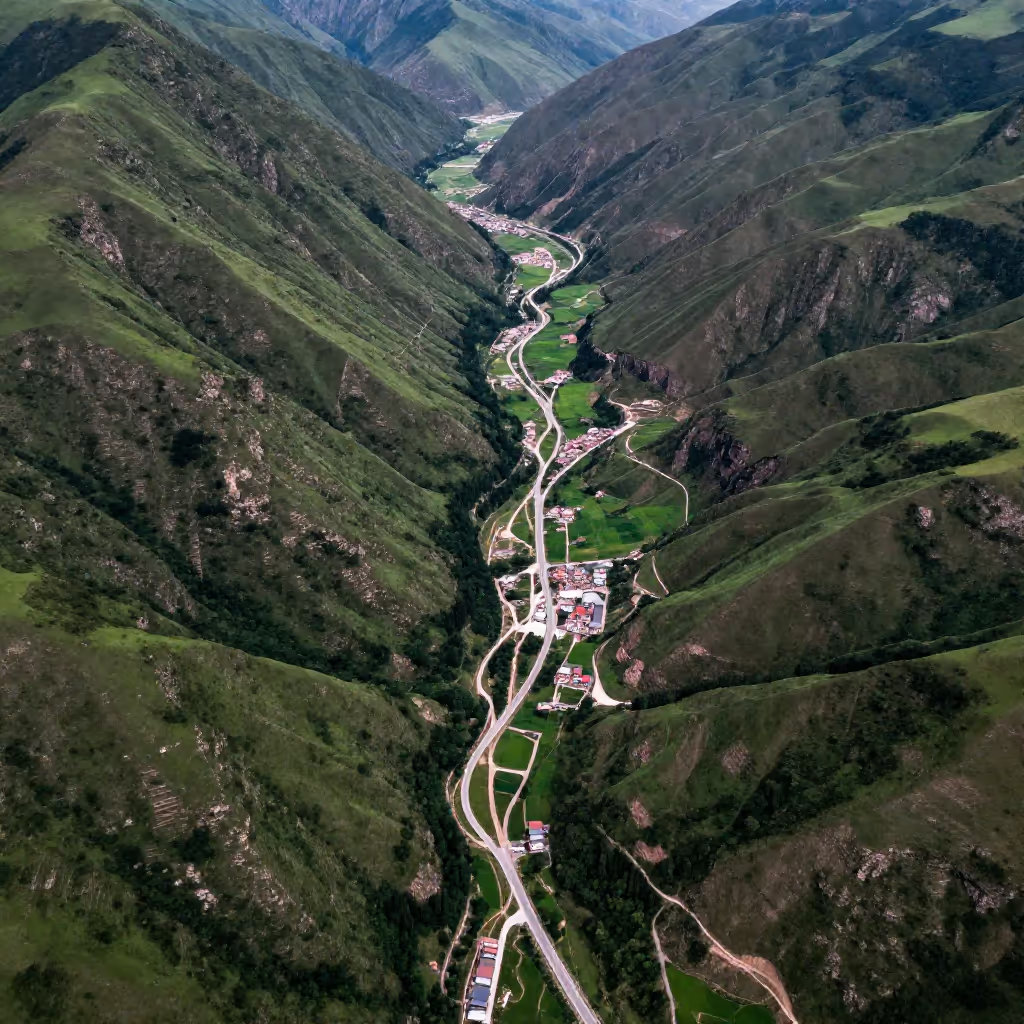
All meanings of 'Kessel' describe an enclosed, hollow shape. This basic idea connects the cooking pot, the heating container, the valley surrounded by mountains, and the military encirclement.
Die Stadt liegt in einem tiefen Kessel, umgeben von hohen Bergen.
The city lies in a deep basin, surrounded by high mountains.
In the meaning 'cooking pot', the word is often associated with campfires, soup, or old stories, such as 'Hexenkessel' (witches' cauldron). Typical verbs are 'kochen' (to cook/boil) or 'hängen' (to hang).
Im Kessel brodelte eine kräftige Gemüsesuppe.
A hearty vegetable soup was bubbling in the kettle.
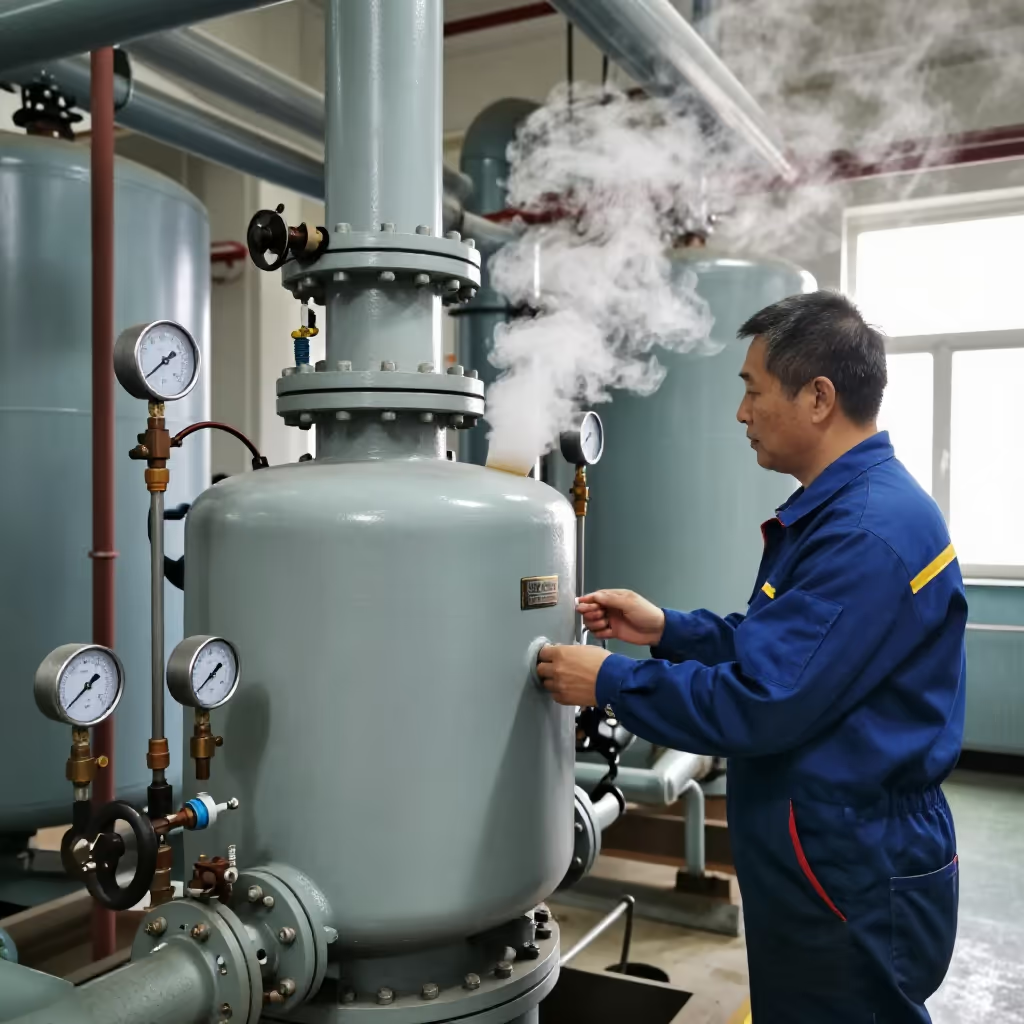
You can recognize the technical meaning from words like 'Heizung' (heating), 'Dampf' (steam), 'Druck' (pressure), or 'Anlage' (system). Here it always refers to the container of a machine.
Der Druck im Kessel steigt langsam an.
The pressure in the boiler is slowly rising.
This meaning is a technical term from the military. You usually find it in historical texts or news about wars, often with verbs like 'einschließen' (to surround) or 'ausbrechen' (to break out).
Die Soldaten waren seit drei Tagen im Kessel eingeschlossen.
The soldiers had been trapped in the pocket for three days.
basin / pelvis / cymbal
'das Becken' and 'der Kessel' can both mean something that feels like a hollow or a container. For objects, a 'Becken' is usually open and often serves to hold water, like a 'Waschbecken' (washbasin). A 'Kessel' is more like a large metal pot or a part of a heating system in which water is heated. In landscapes, both words can describe a lower-lying shape. Here, 'Becken' sounds more general and larger, while 'Kessel' emphasizes more strongly that something is enclosed all around. The words can be confused because both describe a kind of 'deep shape'. Pay attention to whether it is about collecting, heating, or a landscape.

Über dem Feuer hängt ein alter Kessel mit heißer Suppe.
An old kettle with hot soup hangs over the fire.
Das Wasser sammelt sich nach dem Regen in einem flachen Becken.
After the rain, the water collects in a shallow basin.