

köpfen
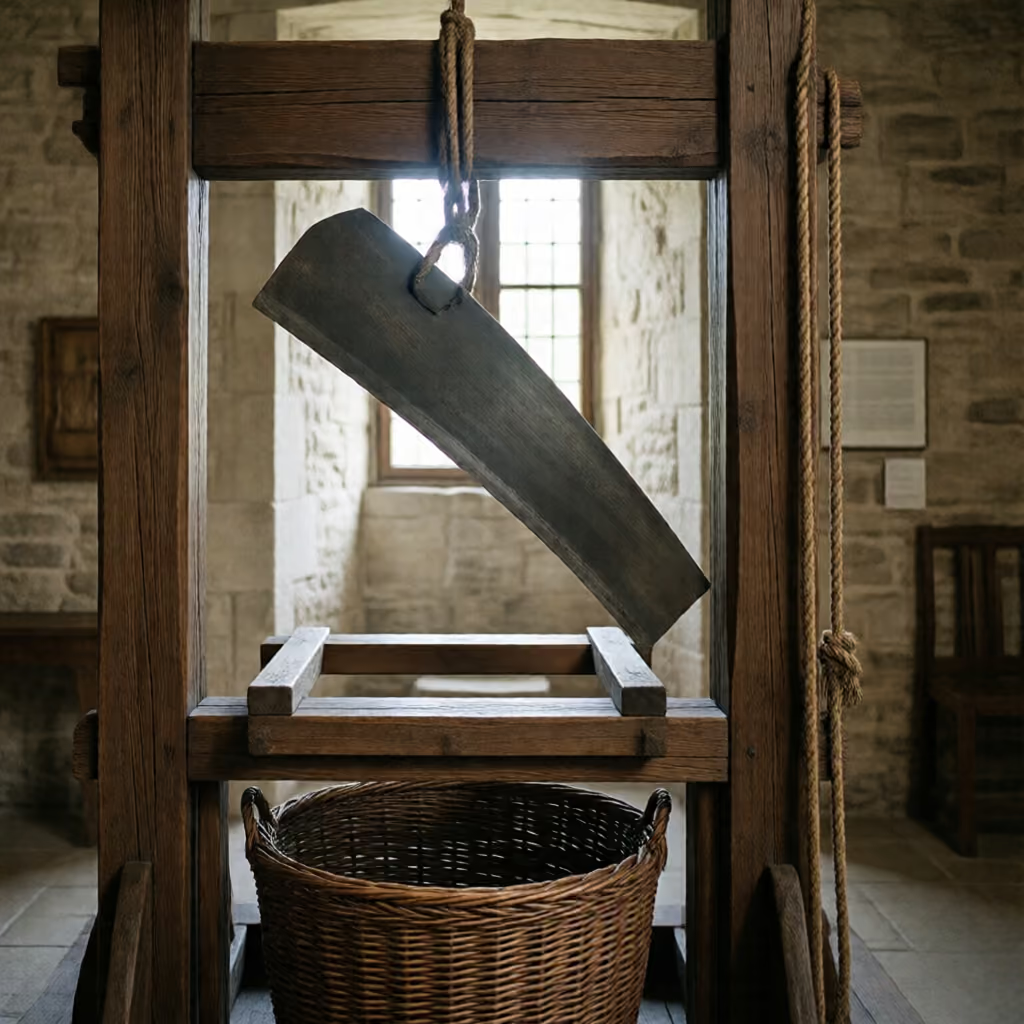
to behead
To cut or chop off a person's or animal's head.
EXAMPLE
Der Verurteilte wurde mit einem Schwert geköpft.
The condemned man was beheaded with a sword.
to behead / head
köpfen – köpfte – hat geköpft
Loading your saved state.
to behead
To cut or chop off a person's or animal's head.
Der Verurteilte wurde mit einem Schwert geköpft.
The condemned man was beheaded with a sword.
to head
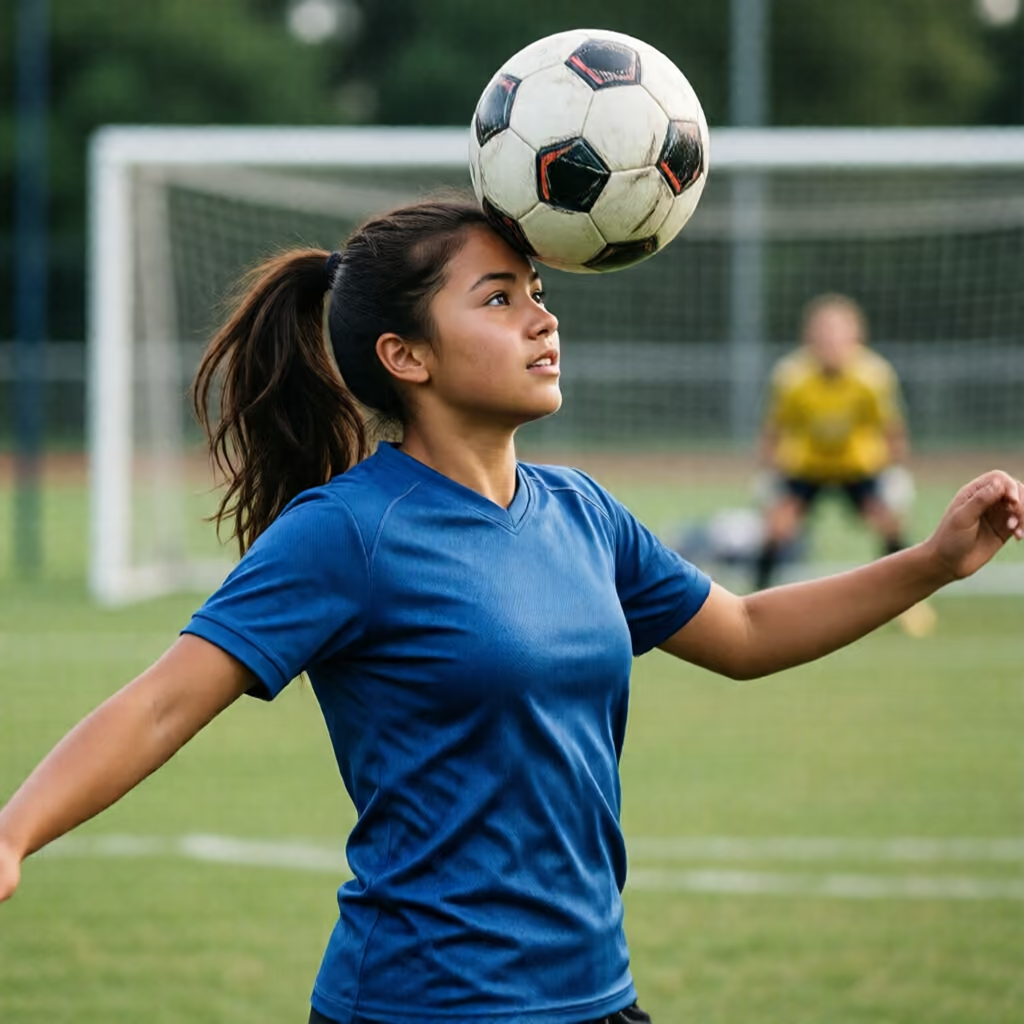
In soccer, to hit or strike the ball with one's head.
Die Stürmerin köpfte den Ball ins Tor.
The striker headed the ball into the goal.
to top an egg
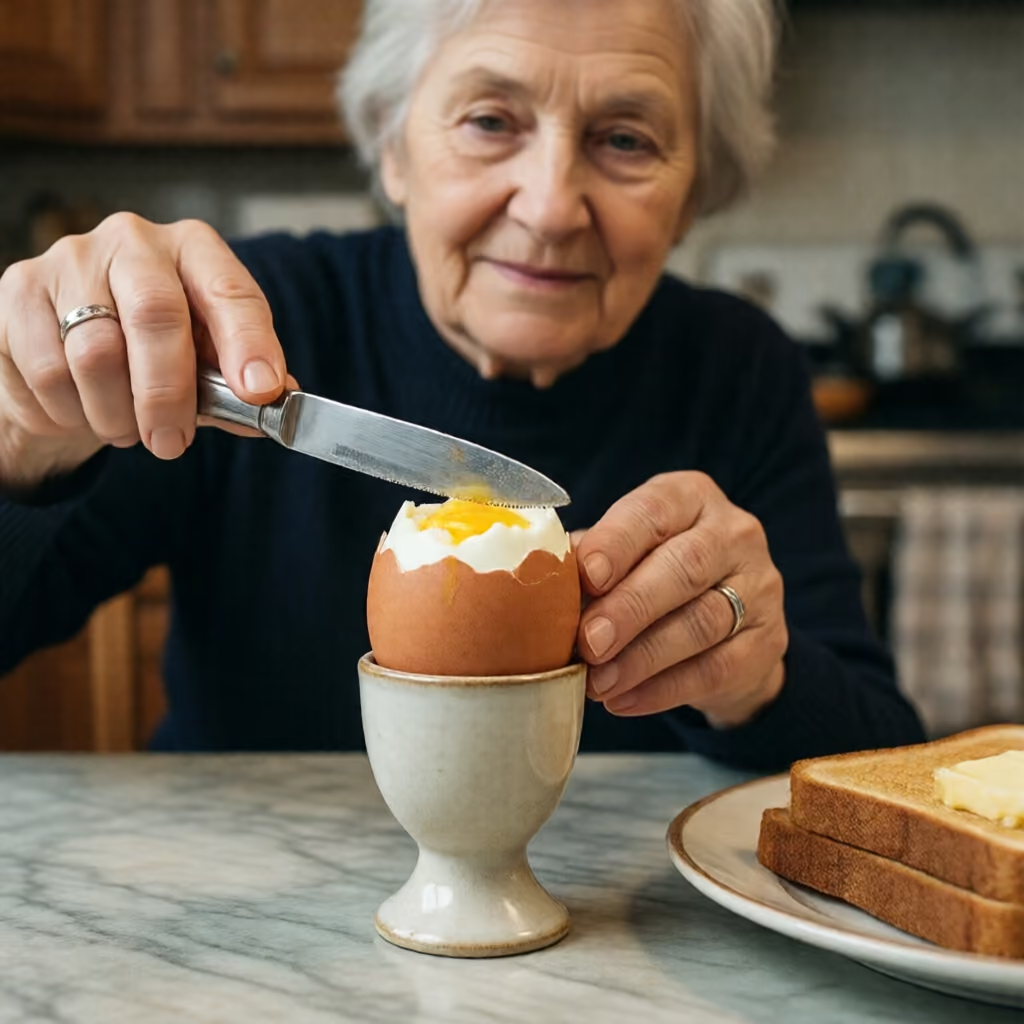
To break or cut off the top of a cooked egg in order to eat it.
Er köpfte sein Frühstücksei mit einem Messer.
He topped his breakfast egg with a knife.

to open a bottle
Colloquial: To open a bottle of an alcoholic drink in order to drink its contents.
Zur Feier des Tages köpften wir eine Flasche Sekt.
To celebrate, we opened a bottle of sparkling wine.
to top-prune
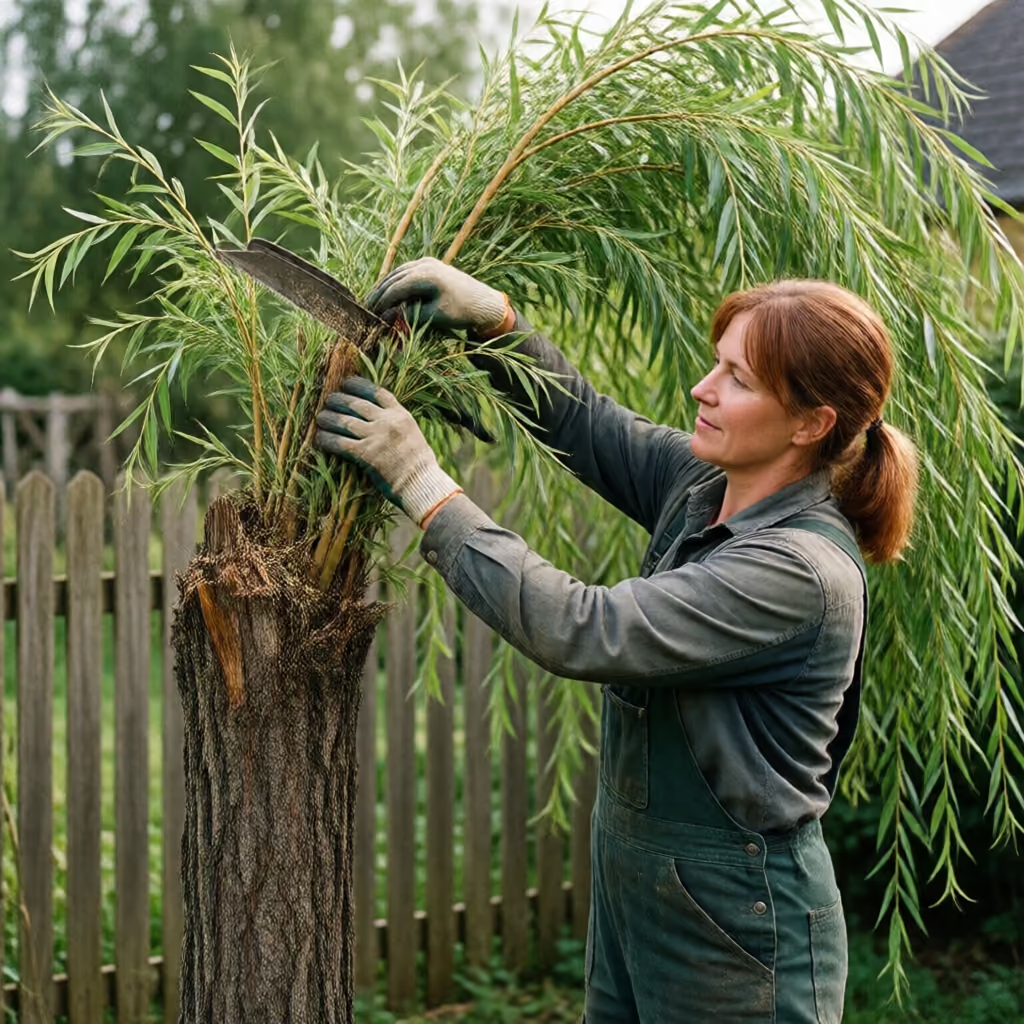
To cut off the uppermost part of a plant, especially a tree.
Die Gärtner köpften die Weiden, indem sie die oberen Stammteile absägten.
The gardeners topped the willows by sawing off the upper parts of the trunks.
| ich | köpfe |
|---|---|
| du | köpfst |
| er/sie/es | köpft |
| wir | köpfen |
| ihr | köpft |
| sie | köpfen |
| ich | köpfte |
|---|---|
| du | köpftest |
| er/sie/es | köpfte |
| wir | köpften |
| ihr | köpftet |
| sie | köpften |
| ich | habe geköpft |
|---|---|
| du | hast geköpft |
| er/sie/es | hat geköpft |
| wir | haben geköpft |
| ihr | habt geköpft |
| sie | haben geköpft |
| du | köpf! köpfe! |
|---|---|
| ihr | köpft! |
| Sie | köpfen Sie! |
| ich | hatte geköpft |
|---|---|
| du | hattest geköpft |
| er/sie/es | hatte geköpft |
| wir | hatten geköpft |
| ihr | hattet geköpft |
| sie | hatten geköpft |
| ich | werde köpfen |
|---|---|
| du | wirst köpfen |
| er/sie/es | wird köpfen |
| wir | werden köpfen |
| ihr | werdet köpfen |
| sie | werden köpfen |
| ich | köpfe |
|---|---|
| du | köpfest |
| er/sie/es | köpfe |
| wir | köpfen |
| ihr | köpfet |
| sie | köpfen |
Used for reported speech.
| ich | köpfte |
|---|---|
| du | köpftest |
| er/sie/es | köpfte |
| wir | köpften |
| ihr | köpftet |
| sie | köpften |
Used for wishes and “would”.
| infinitive | köpfen |
|---|---|
| with zu | zu köpfen |
| present participle | köpfend |
| past participle | geköpft |
'Köpfen' (to behead / head) belongs to the word family of 'Kopf' (head); the verb stem 'köpf-' contains an umlaut. This connection helps you remember the word: depending on the meaning, it refers to a head, the use of the head, or the upper end of something.
Der König ließ seine Gegner köpfen.
The king had his opponents beheaded.
The person or thing that 'köpfen' (to behead / head) directly refers to is in the accusative. This also applies to the ball in soccer and to figurative uses involving eggs, bottles, or trees.
Der Spieler köpfte den Ball direkt zum Torwart.
The player headed the ball directly to the goalkeeper.
In soccer, 'köpfen' (to head) is often used to describe the direction of the ball. Typical expressions include 'ins Tor köpfen' (to head the ball into the goal), 'über die Latte köpfen' (to head the ball over the crossbar), and 'neben das Tor köpfen' (to head the ball wide of the goal).
Nach einer Flanke köpfte der Stürmer den Ball knapp über die Latte.
After a cross, the striker headed the ball just over the crossbar.
With 'ein Ei köpfen' (to top an egg), you can add the tool used with 'mit' and the dative. Typical expressions include 'mit einem Messer' (with a knife) and 'mit einem Löffel' (with a spoon).
Mit einem Löffel lässt sich ein weich gekochtes Ei gut köpfen.
A soft-boiled egg can easily be topped with a spoon.
The expressions 'eine Flasche Sekt köpfen' (to open a bottle of sparkling wine) and 'eine Flasche Champagner köpfen' (to open a bottle of champagne) are especially common. The expression often occurs in invitations and suggestions to celebrate a success or a special occasion together.
Wollen wir zur Feier deiner bestandenen Prüfung eine Flasche Champagner köpfen?
Shall we open a bottle of champagne to celebrate you passing your exam?