

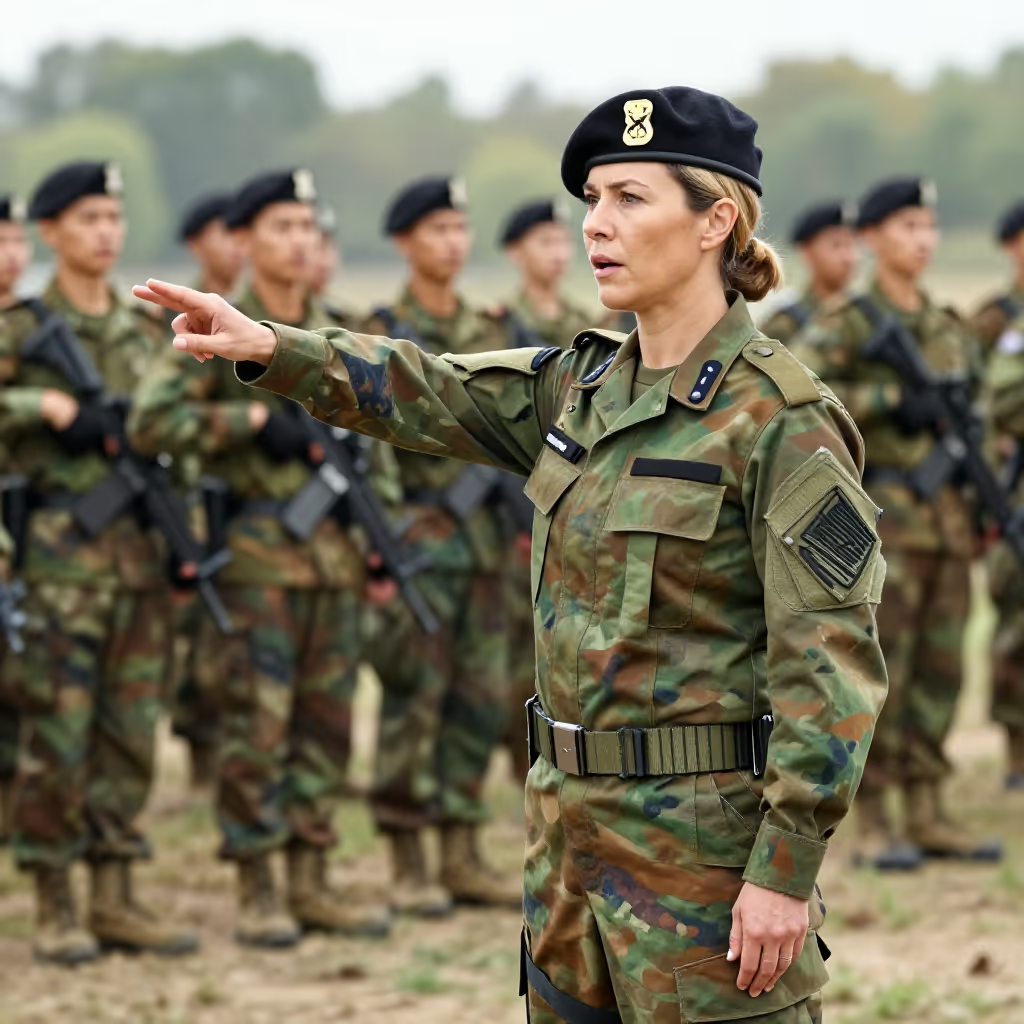
An officer who has command over a military unit or formation. He is responsible for the leadership, training, and operational readiness of the soldiers under his command.
example
Der Kommandeur gab den Befehl zum Aufbruch.
The commander gave the order to move out.
Usage tips
Word family
'Der Kommandeur' (commander) belongs to the word family of 'das Kommando' (command, authority to command) and the verb 'kommandieren' (to command). A commander is therefore the person who commands.
EXAMPLE
Nur der Kapitän darf die Mannschaft kommandieren.
Only the captain is allowed to command the crew.
Military context
This word is used almost exclusively in the military sphere. It refers to an officer in a leadership position for a unit or formation.
EXAMPLE
Der Kommandeur der Marinebasis inspizierte die Truppen.
The commander of the naval base inspected the troops.
Typical actions
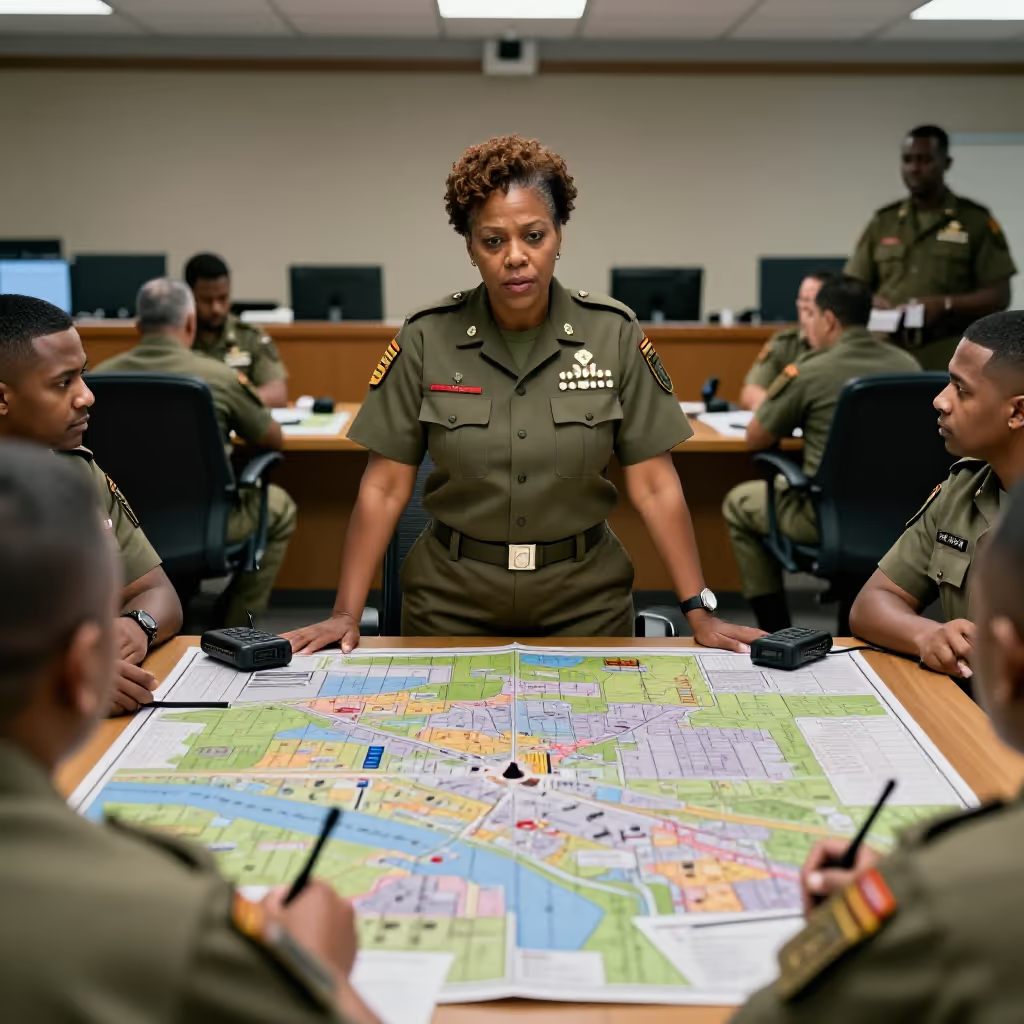
A 'Kommandeur' (commander) is a person who leads and makes decisions. Typical verbs in this context are 'Befehle geben' (to give orders), 'eine Einheit führen' (to lead a unit), or 'die Verantwortung tragen' (to bear responsibility).
EXAMPLE
Der Kommandeur trägt die volle Verantwortung für seine Soldaten.
The commander bears full responsibility for his soldiers.
Compare with
confusable
Kommandeur vs General
general
'der General' and 'der Kommandeur' can both be military leaders. However, 'General' is primarily a very high rank. 'Kommandeur' describes the role more: this person leads a specific unit or formation. A commander can be a general, but does not have to be. The words are easy to confuse because both give orders and carry responsibility. So pay attention: 'General' says something about rank, while 'Kommandeur' says something about the leadership role.
Kommandeur
Der Kommandeur erklärte seiner Einheit den Plan für den nächsten Tag.
The commander explained the plan for the next day to his unit.
General
Wegen der Krise traf der General am Abend eine schnelle Entscheidung.
Because of the crisis, the general made a quick decision that evening.