

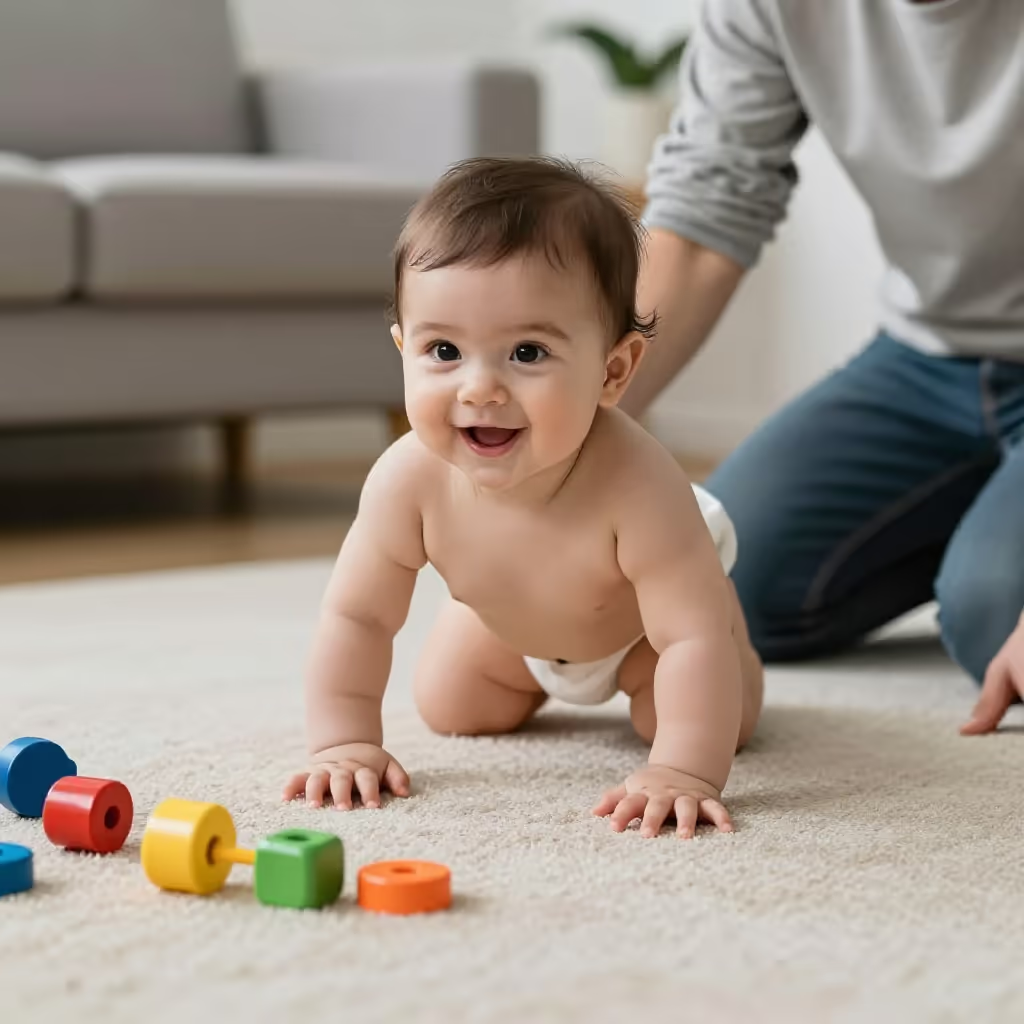
krabbeln
to crawl
To move on all fours, as babies do before they learn to walk.
EXAMPLE
Unser Sohn hat mit acht Monaten angefangen zu krabbeln.
Our son started crawling at eight months.
to crawl
Loading your saved state.
to crawl
To move on all fours, as babies do before they learn to walk.
Unser Sohn hat mit acht Monaten angefangen zu krabbeln.
Our son started crawling at eight months.
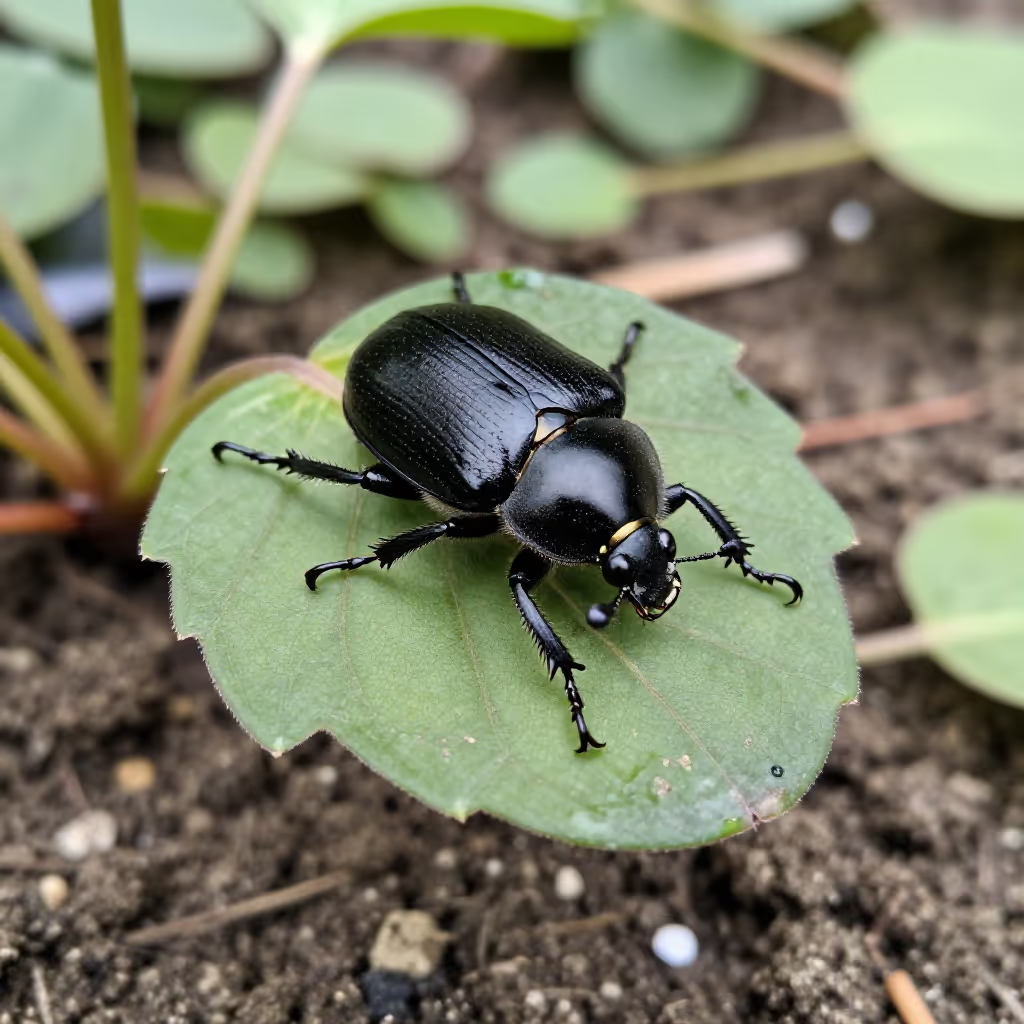
to crawl
The typical way insects or spiders move.
Eine Spinne krabbelte die Wand hoch.
A spider crawled up the wall.
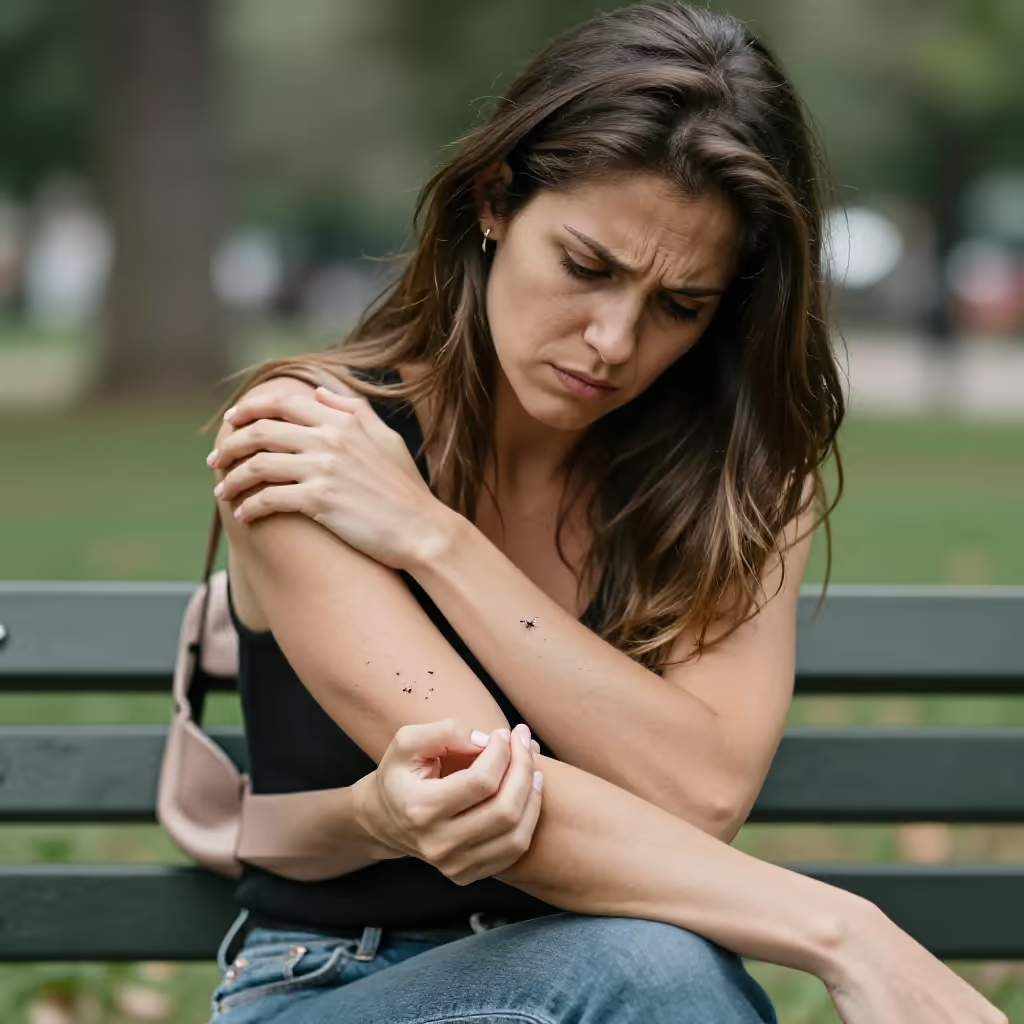
to itch / prickle
To cause a prickling or itchy feeling on the skin.
Der Wollpullover krabbelt auf meiner Haut.
The wool sweater itches against my skin.
As a verb of movement, 'krabbeln' (to crawl) forms the perfect tense with the auxiliary verb 'sein' (to be), not with 'haben' (to have). This applies to all meanings of the word.
Das Baby ist schon durch das ganze Wohnzimmer gekrabbelt.
The baby has already crawled through the whole living room.
The exact meaning of 'krabbeln' (to crawl) depends strongly on the subject of the sentence. If it is a baby, it means moving on all fours. With insects, it means their typical movement.
Mein kleiner Neffe kann schon schneller krabbeln als ich laufen kann.
My little nephew can already crawl faster than I can walk.
When 'krabbeln' describes an itchy feeling, the subject is often an object, such as an item of clothing. It can also be used impersonally with 'es' (it), with the person feeling it in the dative case.
Dieser neue Schal krabbelt an meinem Hals.
This new scarf itches against my neck.
to crawl
Both words describe moving close to the ground. When you robben, your body lies on your stomach and is pulled across the ground; when you krabbeln, you typically move on your hands and knees. For the exact body position, robben or krabbeln is therefore the appropriate choice.
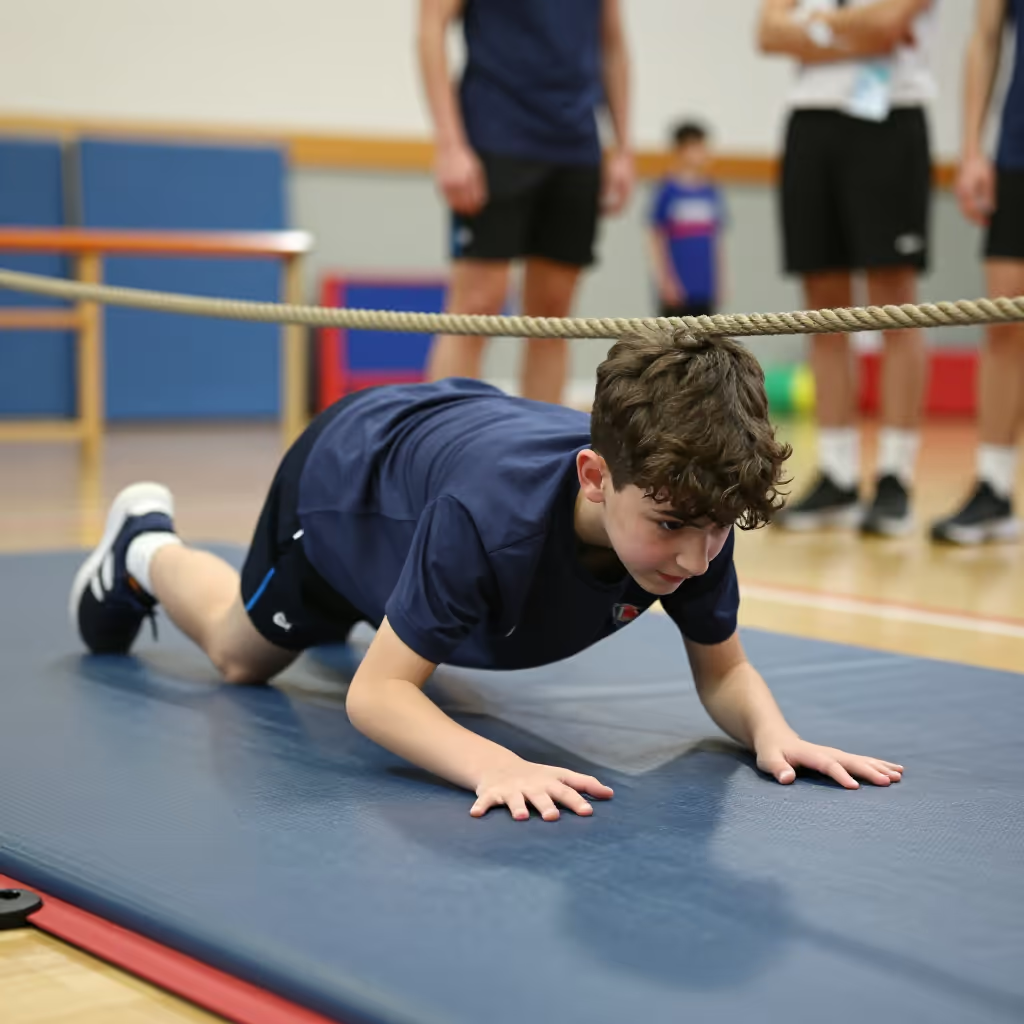
Das Baby krabbelt auf Händen und Knien über den Teppich.
The baby crawls across the carpet on its hands and knees.
Das Baby robbt auf dem Bauch über den Teppich.
The baby crawls across the carpet on its stomach.