

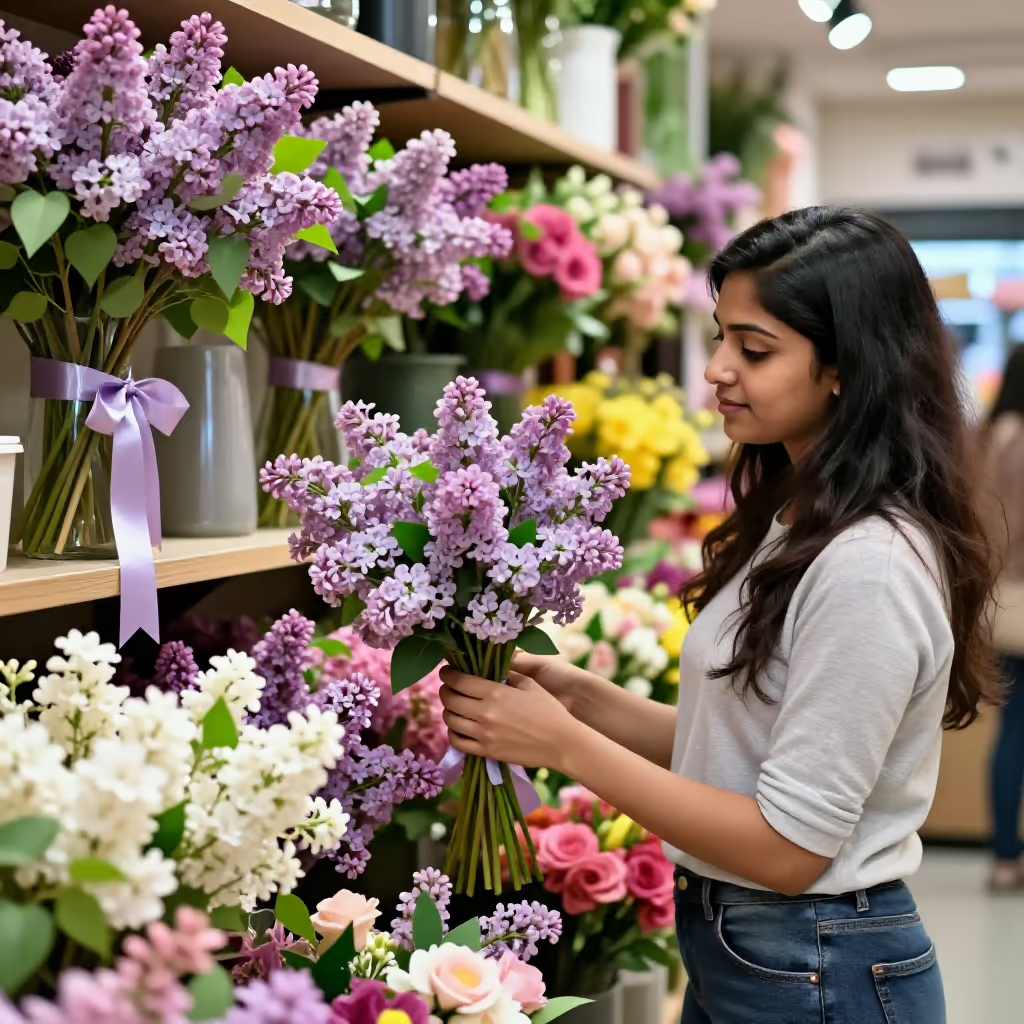
lila
purple
Having the color between red and blue; a light violet shade. The adjective 'lila' is usually not declined.
EXAMPLE
Sie trägt heute ein lila Kleid und passende Schuhe.
She is wearing a purple dress and matching shoes today.
purple
Loading your saved state.
purple
Having the color between red and blue; a light violet shade. The adjective 'lila' is usually not declined.
Sie trägt heute ein lila Kleid und passende Schuhe.
She is wearing a purple dress and matching shoes today.
The color adjective 'lila' (purple) is normally not declined when it stands before a noun. It keeps its basic form, regardless of the noun's gender, case, or number.
Er kaufte einen lila Regenschirm.
He bought a purple umbrella.
'Lila' (purple) can also be used as a noun to refer to the color itself. In this case, it is neuter and capitalized: 'das Lila' (the purple).
Das Lila dieses Himmels ist wunderschön.
The purple of this sky is beautiful.
Although you sometimes hear the declined form 'lilaner' or 'lilanes', the unchanged form 'lila' is considered correct in standard German and stylistically better. So with 'lila' (purple), you will never make a mistake.
Ihr lila Schal passte perfekt zu ihrer Jacke.
Her purple scarf matched her jacket perfectly.
violet
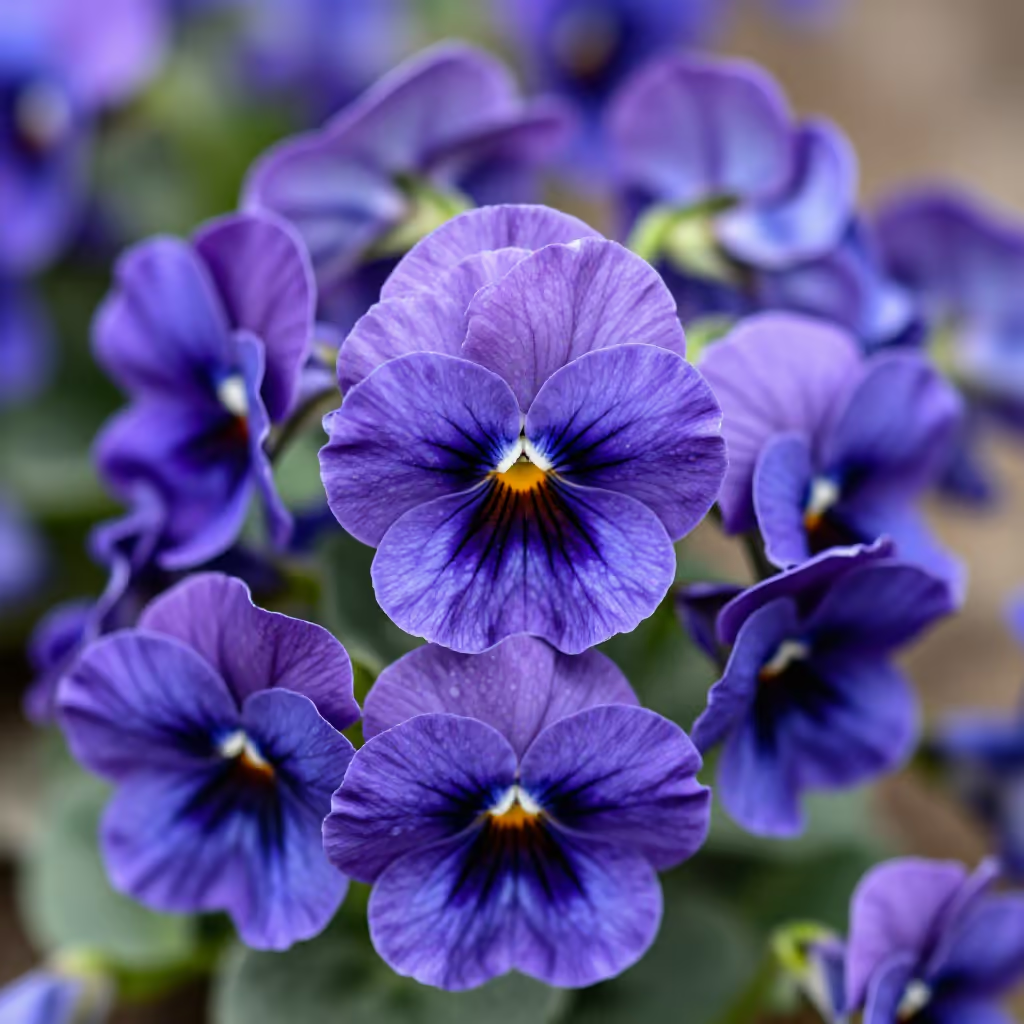
Lila and violett refer to related colors whose boundary is not completely fixed. Lila usually appears lighter and can lean more toward red, while violett often refers to a bluer shade. A light purple shade therefore tends to be called lila, while a distinctly bluish shade is more likely to be called violett.
Der helle, leicht rötliche Schal ist lila.
The light, slightly reddish scarf is purple.
Der deutlich bläuliche Schal ist violett.
The distinctly bluish scarf is violet.