

magisch
magical
Having an enchanting, fascinating, or mysterious effect. Describes a special atmosphere or attraction.
EXAMPLE
Der Sonnenuntergang am Meer war ein magischer Moment.
The sunset by the sea was a magical moment.
magical
Loading your saved state.
magical
Having an enchanting, fascinating, or mysterious effect. Describes a special atmosphere or attraction.
Der Sonnenuntergang am Meer war ein magischer Moment.
The sunset by the sea was a magical moment.

magical
Based on magic or sorcery; relating to supernatural powers.
Der Zauberer vollführte ein magisches Ritual, um den Geist zu beschwören.
The wizard performed a magical ritual to summon the spirit.
The adjective 'magisch' (magical) is derived directly from the noun 'die Magie' (magic). If you know the noun, you can easily figure out the meaning of the adjective.
Kinder glauben oft an die Magie von Märchen.
Children often believe in the magic of fairy tales.
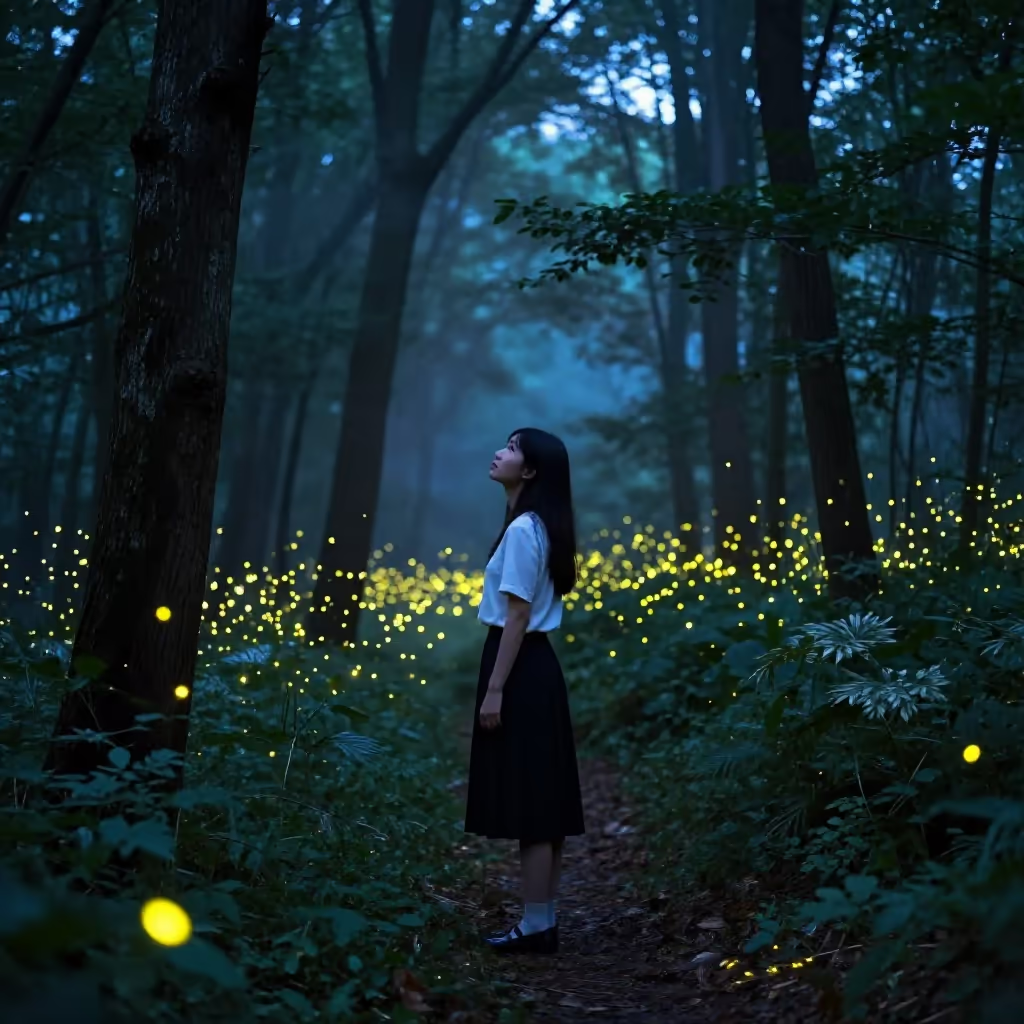
In the meaning of 'enchanting', 'magisch' (magical) is often used to describe a special mood. Typical nouns are 'Moment' (moment), 'Atmosphäre' (atmosphere), 'Anblick' (sight), or 'Ort' (place).
Die Stille im Wald hatte eine magische Atmosphäre.
The silence in the forest had a magical atmosphere.
The meaning 'based on sorcery' is found especially in contexts such as fantasy stories, fairy tales, or legends. Typical nouns here are 'Kräfte' (powers), 'Zauber' (spell/magic), 'Gegenstand' (object), or 'Ritual' (ritual).
In der Geschichte findet der Held ein Schwert mit magischen Kräften.
In the story, the hero finds a sword with magical powers.
enchanting
Magisch and zauberhaft can both describe an especially beautiful and fascinating atmosphere. Zauberhaft tends to emphasize beauty and delightful charm, while magisch emphasizes a strong, mysterious, or difficult-to-explain attraction. Zauberhaft is a good fit for a charming scene, while magisch is more suitable for its special effect.
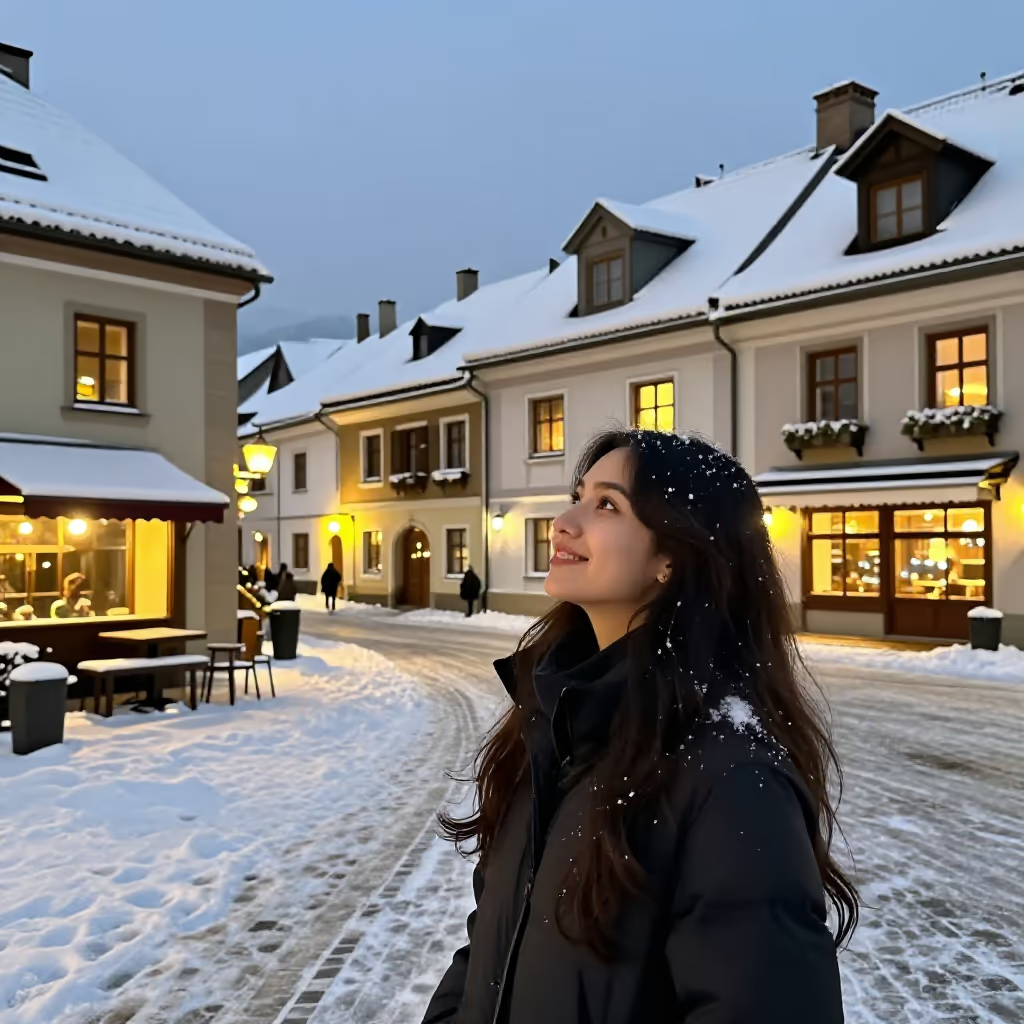
Das warme Licht am See erzeugte eine magische Stimmung.
The warm light on the lake created a magical atmosphere.
Der kleine Garten mit seinen Blumen sah zauberhaft aus.
The little garden with its flowers looked enchanting.